
<!–meta: Learn how to master tree health care in Houston’s climate with pro arborist tips on disease prevention, soil issues, and proper maintenance.–>
Introduction
Last month, I got a call from a homeowner in Meyerland who was worried about their once-beautiful live oak turning pale and dropping leaves early. They thought it was just stress from the summer heat. But after checking the roots and soil, I found compacted clay and poor drainage—two of the biggest silent killers of trees in Houston. We worked on soil aeration, a deep root fertilization, and adjusted watering. Within weeks, new growth started showing. That’s the kind of story I see every week around this city.
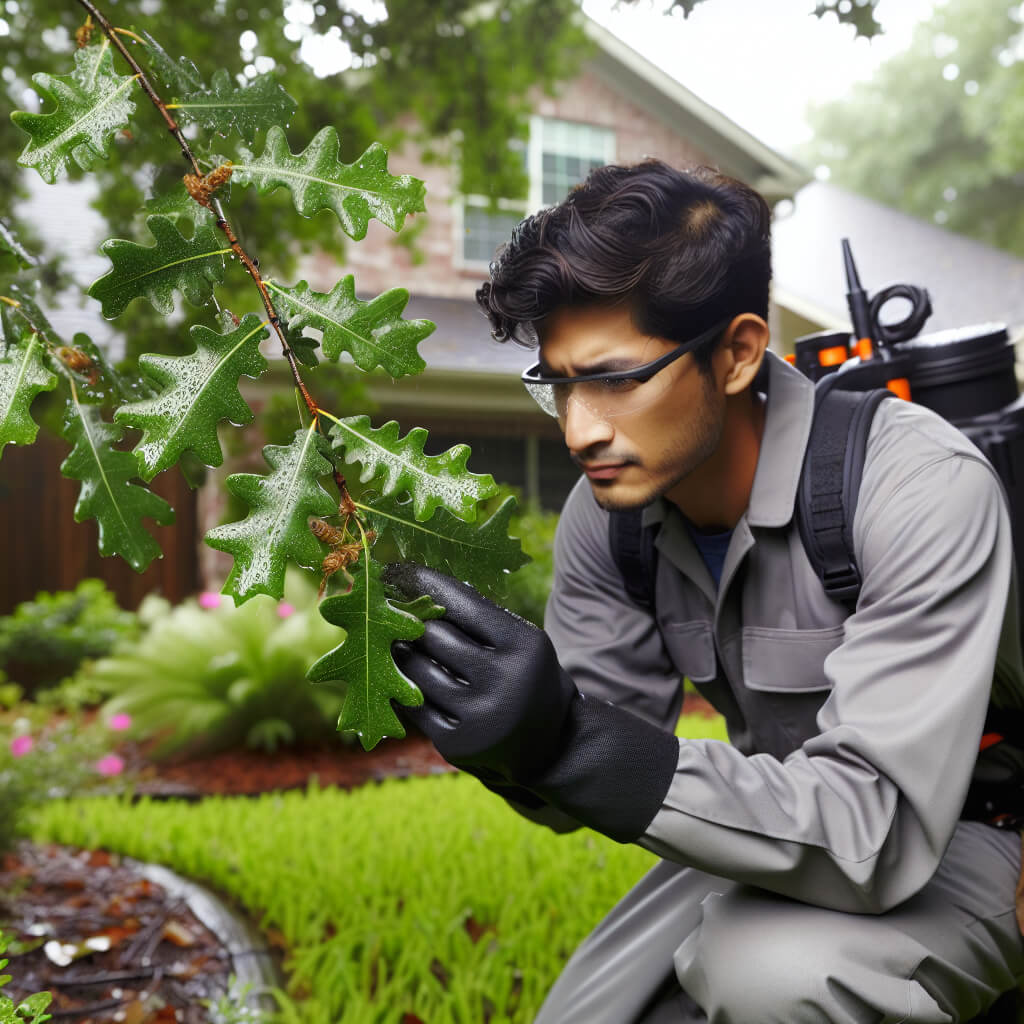
If you live in Houston, mastering tree health care isn’t just about watering or trimming a few branches. Our heat, humidity, clay-rich soil, and unpredictable storms make it tricky to keep trees healthy long-term. I’ve spent 17 years caring for trees in this area, and I’ve learned that healthy trees don’t just happen— they’re maintained with consistent, informed care. Let’s break down what every homeowner in Houston should know to keep their trees thriving.
Understanding Houston’s Unique Tree Challenges
Houston’s not an easy place for trees. Between our wet springs and dry summer spells, those expanding and contracting clay soils really stress root systems. I’ve seen live oaks in the Heights start leaning after a few years simply because their roots couldn’t anchor properly in shifting soil. Add in humidity that encourages fungus, plus hurricane winds that test every branch, and you’ve got one tough growing environment.
There’s no one-size-fits-all approach, but understanding how our local conditions affect your trees gives you a huge advantage. For example, pine trees up in Cypress struggle with fungal root rot after long rains, while red oaks in Sugar Land can show signs of oak wilt during drought stress. Knowing what your particular tree species faces is half the battle.
Core Pillars of Tree Health Care
Soil Health and Root Care
Healthy roots are the backbone of a strong tree. Unfortunately, I’d say 80% of tree issues I see start below the ground. Houston’s clay soil compacts easily, choking off oxygen and trapping water. I often recommend deep root fertilization every couple of years, which uses an injection tool to deliver nutrients and oxygen straight to the root zone. That’s saved countless maples and oaks I’ve worked on, especially in Memorial and Spring Branch areas.
If your yard floods during big rains, even occasionally, drainage correction or even simple aeration can make a huge difference. Standing water leads to root rot fast—especially in younger trees.
Proper Pruning Practices
I can’t count how many times I’ve seen DIY pruning jobs cause long-term damage. Pruning too much or at the wrong season can open a tree up to disease. I once helped a homeowner in Katy whose oak had been “topped” by a landscaper to control height. That harsh cut led to rot and, eventually, we had to remove it.
Proper tree pruning follows ISA standards: keep the tree’s natural structure, never remove more than 25% of live foliage at once, and make clean cuts outside the branch collar. It looks better and keeps the tree structurally sound during hurricane season.
Watering Wisely in Houston
Overwatering kills more trees here than you might think. With our humid climate, roots can suffocate if the soil stays saturated. A deep soak once or twice a week (depending on rainfall) is usually better than daily surface watering. Mulch helps regulate soil moisture, but too much mulch piled against the trunk creates a “volcano” effect that rots bark and attracts pests. Keep mulch 3-4 inches deep and a few inches away from the trunk base.
Disease and Pest Monitoring
Houston’s warm winters allow pests like aphids, borers, and scale insects to thrive nearly year-round. Each spring, I inspect trees for early signs—sticky leaves, sawdust at the base, small exit holes. Fungal diseases like oak wilt and anthracnose are also common, especially on live oaks and sycamores.
If you see thinning canopies or sudden yellowing leaves, that’s your cue to call in a professional arborist for a tree health assessment. Diagnosing early prevents bigger problems later.
Seasonal Tree Care in Houston
You can’t manage tree health here without thinking seasonally. Every few months brings its own challenges.
- Spring: Time for pruning, fertilization, and checking for new pests.
- Summer: Deep watering and soil protection during drought spells. Watch for heat stress—wilting, scorched leaves.
- Fall: Ideal for planting new trees and aerating compacted soil. Also good for light tree trimming.
- Winter: Inspect for storm damage and dead limbs before cold fronts hit. That’s especially true since the 2021 freeze caught so many unprepared.
Consistency is the key. I tell homeowners: it’s much cheaper to maintain a healthy tree than to pay for tree removal later when disease or storm damage has taken over.
Common Tree Health Mistakes I See in Houston
- Planting too deep — roots suffocate when buried below the flare
- Improper mulching — volcano mulching attracts fungus and pests
- Lack of pruning — neglected branches snap during storms
- Ignoring early warning signs — most failing trees show distress months before dying
I once got called to the Heights for what the owner thought was “sudden tree death.” Turns out, the bark beetles had been at it for half a year. Regular checkups could’ve saved that tree—and the $3,000 removal bill that followed.
When to Call a Professional Arborist
If you notice leaning, large dead branches, deep cracks in the trunk, or sudden leaf drop, don’t wait it out. Trees rarely recover from those signs on their own. A certified arborist can perform diagnostics—soil tests, decay detection, even aerial inspections if needed. Finding the root cause early keeps your landscape stable and safe.
And if storm season rolls in and you’ve got damage, having a trusted contact for emergency storm damage work can make all the difference. I’ve been on calls at 3 a.m. after hurricanes where waiting even an hour longer would’ve meant a roof collapse. Quick professional action saves property and lives.
FAQ
How often should I fertilize my trees in Houston?
For most mature trees, every two to three years is usually enough. If your soil is compacted or depleted, annual fertilization may help. I prefer deep root feeding in early spring to support new leaf growth.
What’s the biggest threat to Houston trees right now?
Between the shifting soil and humidity, root rot and fungal infections are the worst culprits. After long stretches of rain, monitor drainage around tree bases—especially for pines and oaks.
Can I water my trees with sprinkler systems alone?
It’s not ideal. Sprinklers often only wet the surface. Trees need deep, slow watering that reaches the roots 12-18 inches down. A soaker hose works better for this.
Is stump removal necessary for tree health?
Yes, especially if the removed tree was diseased. Old stumps can harbor fungus that spreads to nearby trees. Consider stump grinding to completely eliminate the risk.
When’s the best time to prune in Houston?
Late winter through early spring is ideal—before heavy growth and after the risk of hard frost has passed. For live oaks, avoid pruning from spring through midsummer to reduce oak wilt transmission.
Conclusion
Taking care of your trees in Houston means staying one step ahead of our unpredictable climate. The good news? With a little observation, proper maintenance, and timely help from a certified arborist, you can keep your trees healthy for decades. Whether you’re in Katy, Sugar Land, or up near The Woodlands, start with regular inspections and soil care. The trees that make it through our floods, freezes, and hurricanes all have one thing in common—consistent attention. Don’t wait for a problem to become an emergency; invest in your trees now, and they’ll reward you with strong shade and beauty for years to come.