
What Professional Arborists Include in Estimates
Most homeowners think a tree service estimate is just a single number—wrong. A real estimate breaks down labor, tools, debris removal, and site restoration into separate line items. In 2026, I’m still seeing clients shocked when they realize Tree Removal Houston and other legitimate operations charge differently based on crown spread, height-to-hazard ratio, and proximity to structures. The crown spread alone—measured in feet from the widest branch tips—determines how much debris you’ll haul and how long rigging takes. That metric changes everything about price.
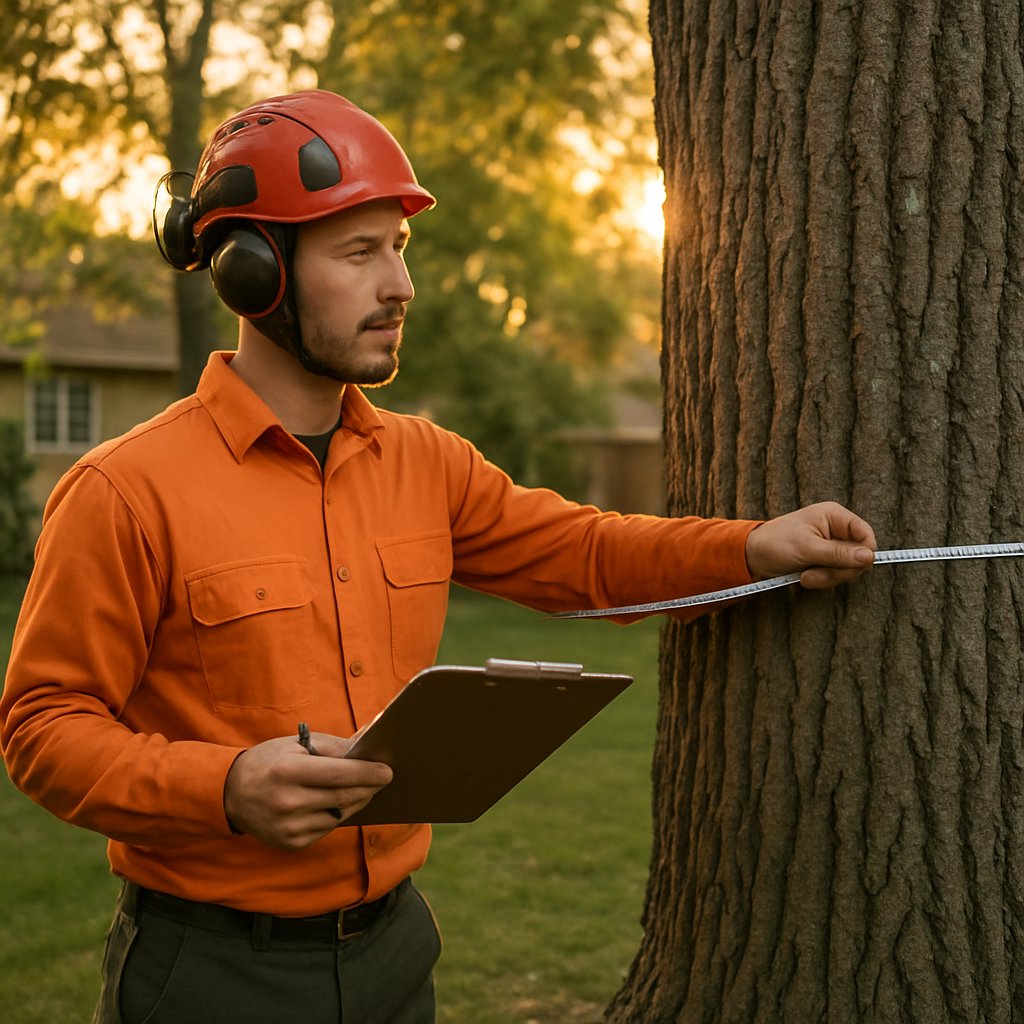
Here’s what separates a thorough assessment from a guesswork quote: I once assessed a 65-foot live oak with significant lean toward a pool deck. The assessment included three separate line items—takedown labor at $2,400, stump grinding at $680, and debris hauling at $520—totaling $3,600. A competitor quoted $2,800 flat rate and missed the stump entirely. When clients see itemized breakdowns like that, they understand why Tree Removal Houston prices differ from the guy with a truck and a chainsaw.
Professional arborists factor in access challenges, wood species density, and whether the tree’s already dead or hazardous. These details matter more than the headline number, and honestly, I’d rather lose a job than pad an assessment with hidden costs later.
- Legitimate estimates separate labor, tools, debris removal, and site restoration into distinct line items with individual pricing.
- Crown spread and proximity to structures or tools directly impact labor intensity and tools requirements in final cost.
How to Request and Compare Tree Service Quotes
Most homeowners make the same mistake: they call three companies, get three numbers back, and pick the lowest one. That’s backwards. An accurate tree service assessment requires you to ask the same detailed questions of each contractor. Request a site visit—never accept phone quotes. During the walk-through, ask about crown spread, limb diameter at the base, and whether the tree has any structural defects. A contractor who measures and takes notes is already ahead of someone eyeballing it from the driveway. I worked with a client on Bellaire Boulevard last spring who compared five estimates ranging from $2,800 to $4,200 for the same oak removal. The lowest bid omitted debris hauling and stump grinding. When she asked the mid-range contractor about their approach to root collar preservation, he explained his methodology in detail—that’s when she knew he’d done the homework.
Request itemized breakdowns for every assessment you receive. You want to see labor, tools rental, debris disposal, and stump treatment listed separately. This transparency lets you compare apples to apples. If one company offers Commercial Tree Services with crew scheduling flexibility, that might justify a higher bid if your property has tight access constraints. The assessment itself is your contract foundation, so don’t rush the comparison phase. I’d rather spend an hour reading three detailed proposals than regret a decision made in ten minutes.
- Comparing lowest price alone leads to underinsured, unqualified contractors—prioritize written breakdowns and certified arborist credentials instead.
- Request quotes from at least three licensed companies and ask each to assess the same specific hazards and access conditions.
The Tree Care Industry Association emphasizes that certified arborists should provide detailed written estimates that include assessment of tree health, disposal complexity, and tools requirements before any work begins.
Tree Removal Estimate vs. Stump Grinding Costs
Most clients think stump grinding’s included in tree disposal—it isn’t. That’s the biggest misconception I field on estimates. When you get a quote for taking down a 40-foot oak, that price covers felling, limb chipping, and hauling debris. The stump stays. I had a commercial property manager in Spring last year assume the $1,200 disposal assessment covered grinding. When I presented the separate $400 stump grinding quote, she felt blindsided. Breaking these into distinct line items on your Accurate Tree Service Assessment prevents that friction and keeps expectations clear from day one.
Stump grinding requires specialized tools—a dedicated grinder with carbide teeth that pulverizes the root system below grade. Tree disposal and stump grinding operate on different labor scales and machinery costs. If your property has multiple trees, bundling removals with grinding often nets you 10–12-20% savings per stump because my crew’s already mobilized. When you’re comparing bids for Tree Services, ask each arborist whether stump disposal is priced separately or included. That single question clarifies your true total cost and prevents invoice surprises down the line.
I’ve learned that clients who understand this split upfront make faster decisions. They know exactly what they’re paying for.
- Stump grinding is a separate service not included in tree removal quotes—confirm whether it’s bundled or costs extra upfront.
- A 40-foot tree removal estimate should never include grinding without explicit line-item pricing for that distinct service.
| Estimate Type | Scope of Assessment | Time Required | Cost Range | Best For |
|---|---|---|---|---|
| Phone or Email Estimate | I gather basic information about tree size, location, and work needed without visiting the property | 15–30 minutes | Free | Initial screening or minor pruning work where I can assess risk from photos |
| On-Site Visual Inspection | I visit your property, evaluate tree health, measure height and diameter, check for hazards, and examine accessibility for tools | 30–60 minutes | Free to $150 | Removal jobs, storm damage assessment, or complex work where I need to use ground-level tools to measure and inspect |
| Detailed Professional Estimate with Report | I conduct a comprehensive assessment including climbing inspection, soil evaluation, disease diagnosis, and written documentation with photos and recommendations | 1–2 hours | $200–$500 | High-value jobs, insurance claims, heritage trees, or when I need to explore structural integrity in detail |
| Emergency Same-Day Estimate | I provide rapid assessment and pricing for storm damage or hazardous trees requiring immediate removal or stabilization | 15–45 minutes | Free to $100 | Emergency situations where I need to quickly use available tools to evaluate immediate risk and provide fast turnaround pricing |
| Automation-Assisted Estimate | I use drone imagery, ground-based measurement tools, and software automation to generate precise measurements and comparative analysis | 45 minutes–2 hours | $250–$600 | Large properties, multiple trees, or clients who want me to explore detailed content with visual documentation and technical data |
Red Flags That Signal an Unreliable Tree Estimate
A real estate agency I worked with received three estimates for removing a 60-foot oak. One bid came in at half the price of the others, with no written breakdown—just a verbal quote and a handshake offer. That contractor never showed up for the job. The lesson stuck with me: vague pricing almost always means trouble. An Accurate Tree Service Assessment includes labor, tools rental, debris hauling, and permit costs itemized separately. If a contractor won’t put numbers on paper or refuses to walk the property before quoting, walk away. I’ve seen too many clients burned by estimates that skip critical details like whether the tree leans toward a structure or if root disposal is included.
Watch for estimates that don’t mention site assessment or risk factors. A professional arborist will note whether branches overhang power lines, if the trunk is diseased, or if heavy tools access requires driveway reinforcement. These specifics drive cost. Also red flag: contractors who guarantee a price without discussing wood species, tree health, or disposal method. When comparing tree service cost across bids, the cheapest Assessment often reflects cut corners, not efficiency. I’d rather lose work than deliver a rushed job that damages your property. Trust the arborist who asks hard questions upfront.
- Estimates significantly below market rate with no written breakdown or vague labor descriptions signal inexperience or inadequate insurance coverage.
- Demand itemized quotes in writing—verbal estimates and single-number bids lack accountability and often hide hidden fees later.
The International Society of Arboriculture recommends obtaining multiple estimates from ISA-certified professionals, as pricing can vary by 25-40% depending on the contractor’s credentials and local market conditions.
- Document the exact location and species of each tree you want serviced, as this information directly affects my pricing and approach. I always ask clients to take photos from multiple angles and note any nearby structures or tools.
- Measure the approximate height and trunk diameter of the trees in question, since these dimensions are fundamental to how I calculate labor and tools needs. You don’t need professional precision—a rough estimate helps me tremendously.
- Describe any specific work you need: removal, pruning, stump grinding, or crown cleaning, because each service requires different tools and time. I can’t give you an accurate estimate without knowing exactly what you’re asking for.
- Note any hazards or complications on your property, such as power lines, fences, or difficult access routes. I always account for these challenges in my estimate, so being upfront saves time and prevents surprises.
- Request that I perform an on-site inspection rather than relying on photos or descriptions alone. I explore the property myself to assess ground conditions, nearby structures, and any hidden obstacles that affect my work.
- Ask me to break down the estimate by service type and labor hours so you understand what you’re paying. I provide detailed estimates because transparency helps you make informed decisions.
- Get estimates from multiple tree service professionals, as pricing varies based on experience, tools, and local market conditions. I encourage this comparison because it helps you find the right fit for your budget and needs.
- Clarify what’s included in the estimate: debris removal, stump grinding, chipping, and site cleanup all impact the final cost. I always specify these details upfront to avoid confusion later.
Using Estimates to Plan Long-Term Tree Maintenance
Are you treating each assessment as a one-off transaction, or as a roadmap for your property’s health? Most clients I work with don’t realize that a detailed assessment reveals patterns—which trees are aging fastest, which species demand regular pruning cycles, and where risk compounds over time. When I inspected a two-acre residential property in Spring Branch last year, the initial assessment for one hazardous oak led to a comprehensive crown assessment that identified four additional trees needing work within 36 months. That single conversation saved the homeowner roughly $8,000 by spacing interventions strategically instead of facing emergency removals.
Your assessment should itemize not just immediate work but predictive maintenance windows. ISA standards call this risk stratification—ranking trees by age, species vigor, and structural defects to forecast when intervention becomes necessary. Request that your arborist include a timeline: which trees need attention this year, which in two to three years. If storm damage strikes unexpectedly, Emergency Tree Services can address immediate hazards while your long-term plan stays intact.
I’ve found that clients who treat estimates as living documents—not just invoices—make smarter reinvestment decisions. They budget incrementally, avoid surprise costs, and actually protect their trees instead of reacting to crisis. That’s the real value hiding in those numbers.
- Detailed estimates reveal long-term maintenance patterns and help identify trees at risk before they require emergency removal services.
- Use estimate breakdowns to budget for preventive trimming and stump removal rather than treating each quote as a one-time transaction.
Now you understand what separates a real tree service assessment from a casual quote. I’ve worked with homeowners who thought they were getting a deal until they realized the assessment didn’t include debris disposal or tools fees. A comprehensive breakdown—labor, tools, site restoration—tells you exactly what you’re paying. This transparency is what I always prioritize, whether I’m estimating a simple pruning job or a complex disposal. When you know the full scope, you can make an informed decision and avoid surprises.
I recently worked with a B2B agency that needed three oak trees removed from their parking lot. They compared three estimates and chose mine because my breakdown was the clearest. That’s your next step: request detailed estimates from at least two certified arborists in your area, and use the framework from this article to evaluate each line item. Don’t settle for vague numbers—ask questions until you understand exactly what you’re getting.
Frequently Asked Questions
What should a detailed tree service estimate include?
A solid assessment breaks down labor, tools rental, debris disposal, and site cleanup separately—never lumped together. I always specify tree species, height, condition, and access difficulty upfront. Last year, I estimated disposal for a B2B agency's office park where they received a $3,200 quote that looked complete until I showed them stump grinding wasn't included. That's the critical difference between vague and thorough estimates. I ensure clients see exactly what they're paying for, including equipment fees and hauling costs, so there are no surprises at project completion.
How much does professional tree removal cost on average?
In my experience, most clients spend between $800 and $5,000 depending on tree size and location. A 40-foot oak in an open yard costs far less than a 60-foot pine near power lines or structures. I handled one disposal last month where proximity to a neighbor's fence added significant rigging costs. Always ask if your quote covers stump disposal—it's often separate and adds $300–$1,500 alone. Location, accessibility, and hazard factors dramatically shift final pricing, so never compare quotes without confirming identical scope.
Why do tree service estimates vary so much between companies?
Different arborists assess risk, equipment needs, and labor hours differently based on their experience and overhead. Some crews charge hourly; others bid the entire job flat-rate. I've seen quotes swing $2,000 on identical removals because one company factored in crane rental while another used rigging techniques. Insurance coverage, crew expertise, and local operating costs also shift pricing significantly. Never assume the cheapest bid is the most honest—it often means missing critical safety steps or equipment.
Should you get multiple estimates before hiring a tree service?
I recommend three estimates minimum from licensed, insured crews to establish fair market pricing. You'll spot outliers immediately—if two quotes say $2,500 and one says $800, that low bid is either missing scope or cutting corners dangerously. When comparing, verify each covers identical work: disposal, stump grinding, debris hauling, and cleanup. Every assessment I provide itemizes everything so clients understand exactly where their money goes and can compare apples-to-apples across different contractors.
How can you tell if a tree service estimate is overpriced?
Compare line items across estimates—labor, equipment rental, and cleanup should track closely between reputable companies. Red flags include vague descriptions, no insurance mention, prices quoted without site inspection, or bundled charges you can't break down. I once quoted $2,100 for a disposal; a competitor charged $4,500 for identical work with zero justification. Trust your instincts, but always verify with a second licensed arborist if something feels off or suspiciously high.