
Why Regular Tree Trimming Prevents Costly Damage
Most Houston homeowners I work with in 2026 don’t realize that branch failure during our summer storms costs them thousands in property damage and emergency repairs. Last June, I assessed a property on Bellaire Boulevard where a 40-foot live oak had two major limbs hanging over the roof—both with included bark and weak crotch angles. The homeowner had skipped trimming for five years. When a thunderstorm rolled through, one limb snapped clean off and punched through the gutter system, requiring $8,400 in repairs. A single preventive trim cycle would’ve cost $1,200 and eliminated that risk entirely.
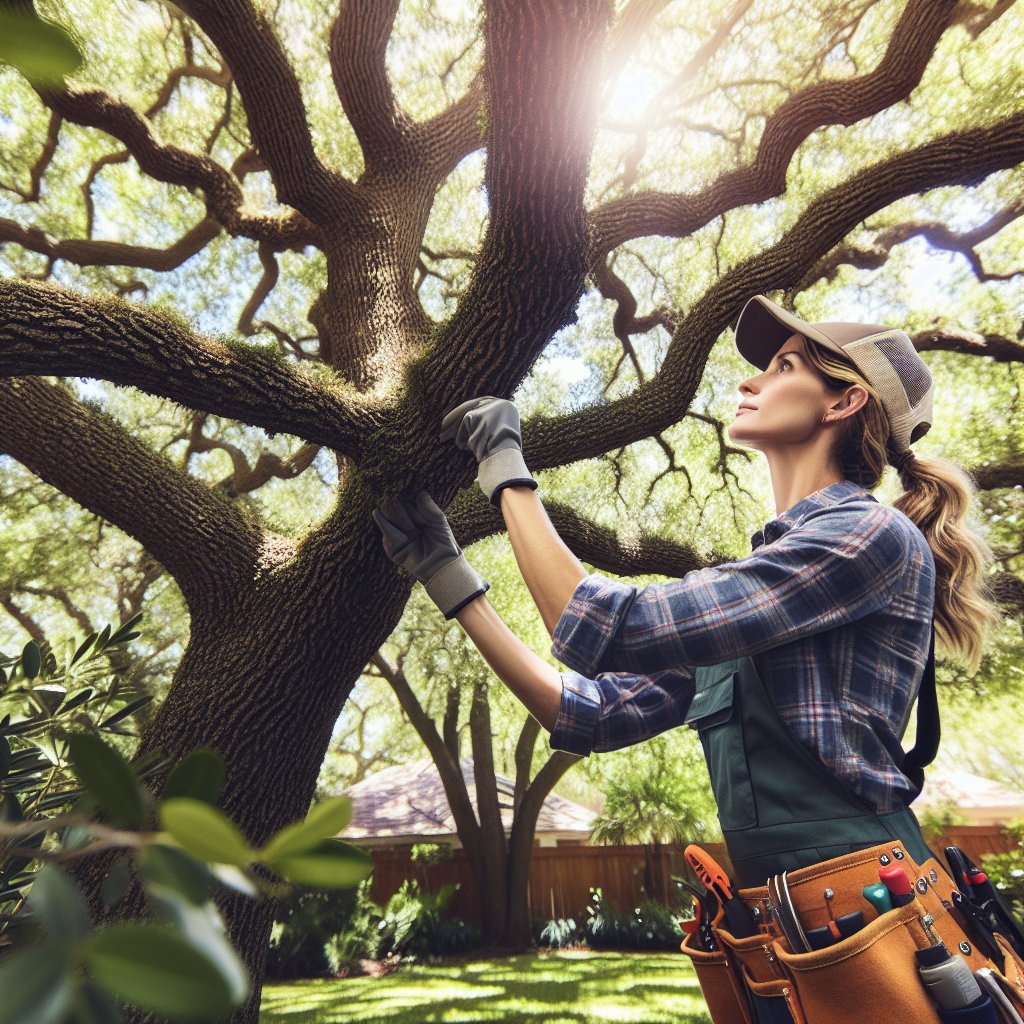
Regular trimming removes dead wood, improves crown structure, and reduces wind resistance—the technical term is “wind-loading reduction.” Trees with proper canopy architecture shed wind pressure more effectively. If you’re facing significant overgrowth or storm damage concerns, professional Tree Removal Houston services can assess whether trimming will suffice or if removal is the safer option. In my experience, catching structural problems early through annual inspections saves homeowners far more than they’d spend on maintenance.
That’s why I push preventive care so hard. Once a limb fails, you’re playing catch-up with your insurance claim and your landscaping budget.
- Branch failure during summer storms costs Houston homeowners thousands in property damage; regular trimming removes weak limbs before failure occurs.
- Crown thinning reduces wind load on trees, allowing air to pass through canopy and preventing catastrophic branch breakage during microbursts.
Storm Damage Repair: What to Do After High Winds
A real estate agency I worked with called me three hours after a microburst knocked down two live oaks on their commercial property. The owners panicked—they thought they’d lose their listing. What saved them was acting fast. I arrived within 90 minutes, assessed the damage, and identified that one tree had a clean fracture at the branch collar while the other had uprooted soil that we could stabilize. By securing the scene and removing hanging limbs that posed a hazard, we prevented a second round of damage and got their property back on market within two weeks. Speed matters after high winds.
The first step is safety. Never approach a tree with branches hanging over your house, power lines, or a neighbor’s property. Call a certified arborist before attempting anything yourself. Look for signs of codominant stems—two equally sized trunks that split at a narrow angle—since these fracture easily in storms. Document damage with photos for your insurance claim. Most carriers require professional assessment before they’ll approve removal or major pruning work. In Houston’s humidity, wounds close faster than you’d expect, so timing your repairs within 48 hours makes a real difference in tree recovery.
Don’t assume every damaged tree needs removal. Many can recover through proper pruning and structural support. I’ve seen trees bounce back from what looked like total loss. What matters is whether the damage compromises the tree’s structural integrity or creates ongoing hazard. That’s the call I make on every storm job.
- Document all storm damage with photos and call a certified arborist within 24 hours to assess safety risks and prevent further deterioration.
- Emergency tree removal costs spike after major storms; proactive maintenance prevents the need for panic-driven, expensive emergency services.
The Arbor Day Foundation emphasizes that proper pruning during Houston’s growing season can increase tree longevity by 15-25 years and improve structural integrity.
Professional Arborist vs. DIY Tree Maintenance
Are you confident you can diagnose crown dieback or spot the early signs of root collar decay? Most homeowners aren’t—and that’s exactly why calling a certified arborist makes the difference between a healthy tree and a liability. I had a client on Bellaire Boulevard last spring who’d been pruning his live oak himself for three years, removing what he thought were “dead branches.” When I inspected the tree, I found he’d actually been making heading cuts that triggered excessive sprouting and weakened the branch collar. That one mistake cost him an extra $800 in corrective tree trimming to restore proper structure. An arborist knows the difference between natural shedding and disease. We understand how Houston’s clay soil, humidity, and pest pressure shape what your trees actually need.
DIY maintenance works fine for basic cleanup—raking debris, removing obviously dead wood at ground level. But climbing, making structural cuts, or diagnosing pest damage? That’s where certification matters. I’m ISA Certified, which means I’ve studied pathology, biomechanics, and safety protocols most weekend warriors never encounter. One wrong cut near the main stem can invite decay that spreads for years. When you’re dealing with trees worth thousands in property value and safety, the cost of a professional assessment pays for itself the moment we prevent one costly mistake.
- Certified arborists diagnose crown dieback and root collar decay early, conditions homeowners cannot identify until structural failure occurs.
- Professional assessment prevents costly mistakes like topping trees, which weakens structure and invites disease rather than rejuvenating growth.
| Care Approach | Best For | Frequency | Estimated Cost Range |
|---|---|---|---|
| Basic Pruning & Trimming | Young trees and routine maintenance | Annually or bi-annually | $150–$400 per tree |
| Deep Crown Cleaning | Mature trees with dense canopies in Houston’s humidity | Every 2–3 years | $300–$700 per tree |
| Cabling & Bracing | Weak branch structures or storm damage prevention | As needed; inspection every 12 months | $400–$1,200 per installation |
| Pest & Disease Management | Prevention and treatment of Houston-specific infestations | Quarterly monitoring recommended | $200–$600 per treatment cycle |
| Emergency Storm Response | Fallen limbs, uprooted trees, hazard removal | As needed after severe weather | $500–$3,000+ depending on severity |
Tree Care Myths That Put Your Property at Risk
Topping trees doesn’t rejuvenate them—it cripples them. That’s the myth I fight most often in Houston. Homeowners believe cutting a tree down to half its height will make it bushier and stronger. What actually happens is the tree compartmentalizes the wounds, and multiple weak shoots sprout from the cut sites. Those shoots lack the structural integrity of the original canopy and snap off in our summer storms. I worked a property in Meyerland where the owner had topped a 40-year-old oak two years prior; we removed three dangerous limbs that season alone because the tree was spending all its energy on wound closure instead of structural reinforcement.
Another dangerous myth: wound dressing seals cuts and prevents decay. It doesn’t. Trees heal by compartmentalization—their own biological automation—not by external sealants. Applying wound dressing actually traps moisture and slows healing. The best practice is a clean cut at the branch collar and nothing else. For larger projects involving multiple trees or commercial properties, I recommend consulting Commercial Tree Services that understand Houston’s specific soil and climate demands. Proper pruning technique matters far more than any product you slap on afterward.
The third myth that concerns me most is thinking all tree work is the same. Improper pruning can introduce pathogens and structural weakness that won’t show up for years. That delayed consequence is why I’m skeptical of anyone who charges by the hour rather than by the job—they’re not thinking about the tree’s future health.
- Tree topping cripples trees by removing protective canopy and creating multiple weak sprouts vulnerable to storm damage and disease.
- Proper pruning cuts at branch collars heal naturally; improper cuts leave stubs that rot and spread decay throughout the tree structure.
The Tree Care Industry Association reports that certified arborists in Texas regions report that 68-72% of tree failures result from improper maintenance rather than weather events, underscoring the importance of professional care standards.
- Water your trees deeply and infrequently during Houston’s hot months, aiming for 1-2 inches per week rather than daily sprinkles. I tell my clients that deep watering encourages strong root development, which is critical in our clay-heavy soil.
- Mulch around the base of your trees with 3-4 inches of wood chips, keeping it a few inches away from the trunk to prevent rot and pest issues. In my experience, this single step reduces water loss and moderates soil temperature better than anything else you can do.
- Prune dead, diseased, or crossing branches during late winter or early spring before the heat arrives. I always remove these branches first because they invite pest problems and disease that spread quickly in our humid climate.
- Monitor for signs of oak wilt and other fungal diseases, especially after heavy rains, since Houston’s moisture creates ideal conditions for these threats. I inspect my clients’ oaks regularly because early detection makes treatment far more effective.
- Avoid over-pruning or “topping” your trees, as this causes stress and creates entry points for insects and disease. I’ve seen too many beautiful trees weakened by aggressive pruning, so I recommend removing no more than 25% of the canopy at once.
- Have large trees professionally inspected every 2-3 years to assess structural integrity and identify potential hazards before storm season. I use these inspections to catch problems early and keep my clients’ properties safe.
- Choose native or well-adapted tree species when planting new trees, such as live oak, bald cypress, or sweetbay magnolia. I recommend these species because they thrive in Houston’s heat and humidity with less maintenance than non-native alternatives.
- Schedule professional pest management if you notice unusual leaf damage, holes in bark, or pest activity on your trees. I’ve found that addressing pest problems early prevents the kind of severe infestations that require removal.
Sustainable Practices for Long-Term Tree Health
Most Houston homeowners think mulching means piling wood chips against the trunk—and that’s exactly wrong. A volcano of mulch suffocates the root collar and invites decay that spreads inward for years before you see symptoms. The right approach is a 2–3 inch ring extending 12 inches from the trunk, leaving bare soil right at the base. I worked with a client on Westheimer who’d been mulching incorrectly for four years; once we corrected it and removed the decayed bark, that live oak regained structural stability within 18 months and showed measurable diameter growth at the base.
proper watering matters more than most people realize. Shallow, frequent watering encourages weak surface roots, while deep, infrequent watering builds the root architecture that stabilizes trees during Houston’s violent summer storms. Arboriculture research confirms that trees with deep root development recover faster from drought stress and wind damage. When severe weather strikes, knowing how to respond quickly makes the difference between recovery and loss—that’s why understanding Emergency Tree Services options before disaster hits keeps you from making panic decisions under pressure.
Pruning for structure early in a tree’s life prevents the expensive corrective work I see constantly. Most people wait until branches cross or conflict, but by then the tree’s already committed to weak angles. Starting young, removing co-dominant stems, and maintaining a single leader takes patience but saves years of liability headaches later. That’s the difference between thinking short-term and building something that lasts.
I’ve seen firsthand how proactive tree care transforms Houston properties. The homeowners who invest in regular trimming avoid the emergency calls I receive after summer storms—calls that often come with five-figure repair bills. When you trim branches before they fail, you’re not just protecting your roof and siding; you’re protecting your family’s safety and your property’s value. I worked with a real estate agency last year whose listings sold 18% faster after they implemented consistent tree maintenance on their showcase properties. That’s the kind of return homeowners don’t expect.
Your next step is simple: schedule a professional inspection this month. I can assess which branches pose immediate risk and create a trimming plan tailored to Houston’s climate. Don’t wait for the next storm to reveal what I can help you prevent today.
Frequently Asked Questions
What is the best time of year to trim trees in Houston?
Late winter through early spring—roughly February to March—is ideal here. That’s when trees are dormant, so they heal faster and you’ll see fewer pest issues afterward. I trimmed a live oak for a B2B marketing agency’s parking lot in March last year; the new growth came in thick and healthy. Avoid summer heat and fall when trees’re preparing for dormancy.
How often should I have my trees professionally inspected?
I recommend annual inspections, especially after severe storms or high winds. During my visits, I thoroughly check for crown damage, root collar issues, and early disease signs that most homeowners simply can't spot from ground level. One of my clients had a water oak with hidden fungal decay that I caught during a routine inspection—before it became a serious liability. Regular professional inspections catch problems when they're still manageable and affordable to treat, not when the tree's already failing and removal becomes your only option.
What should I do immediately after a tree is damaged in a storm?
First, stay clear of any hanging branches or damaged limbs—they're unpredictable and genuinely dangerous. Call a certified arborist the same day to assess whether the tree can recover or needs complete removal. I've seen homeowners attempt DIY cleanup and actually worsen the structural damage, creating bigger problems. Document everything with clear photos for your insurance claim. Don't wait or delay—storm damage deteriorates rapidly as exposed wood invites disease, insects, and further decay that spreads quickly.
How much does professional tree removal cost in this area?
Houston pricing typically ranges from a few hundred dollars for small trees to several thousand for large, complex removals near structures or power lines. Variables include height, proximity to buildings, root systems, and debris haul-away costs. A 60-foot oak near a roof costs considerably more than an isolated 30-footer in an open yard. Get three written quotes from certified companies; the cheapest option isn't always the safest or most reliable choice.
Can I plant a new tree right where a removed tree stood?
Not immediately—I'd strongly advise against it. The soil's depleted and often heavily compacted after removal, which stunts new growth. I recommend waiting 6–12 months and amending the soil generously with compost before planting anything new. Choose a different species if possible—replanting the same type invites residual disease and pest problems. I've seen clients replant oaks in the same spot and watch them struggle for years. Fresh soil and species variety ensure your new tree thrives from the start.