
<!–meta: Discover how Houston professionals handle emergency tree removal after major storms, keeping homes safe and restoring neighborhoods.–>
Introduction
Right after the winds died down from a recent Gulf storm, my phone started lighting up like a Christmas tree. Homeowners all over Katy, Memorial, and the Heights were calling about massive oaks and pines split or toppled onto driveways, fences, and—sometimes—roofs. I’ve seen it too many times. One call still sticks with me: a couple in Meyerland had a 70-foot water oak that snapped right at the base, just grazing their garage. They told me, “We didn’t think it would ever fall.” Houston storms have a way of reminding us otherwise.
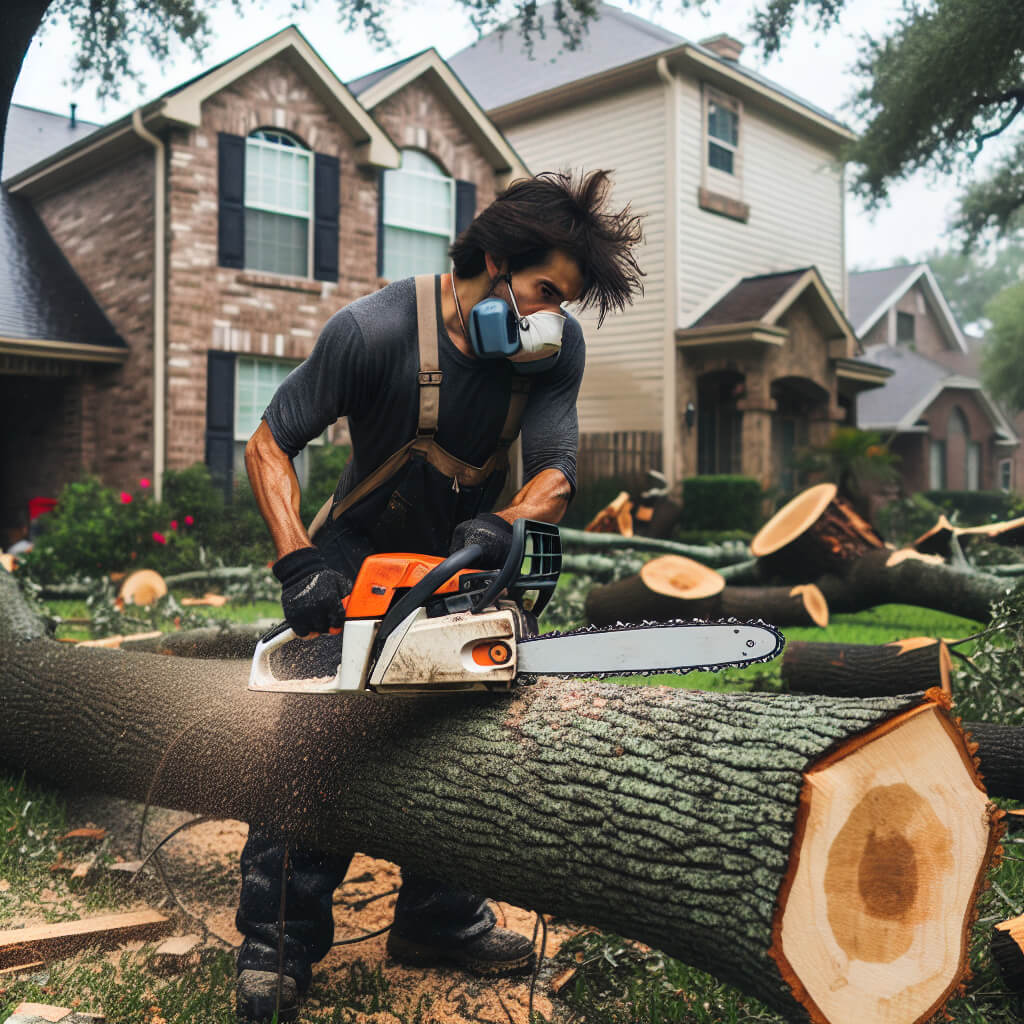
In this article, I’ll walk you through how we handle emergency tree removal in Houston after severe weather. I’ll share real experiences from past storms, breakdowns of the removal process, safety tips, and what homeowners can do before and after a storm to minimize damage. After responding to over 3,000 storm-related tree emergencies, I can tell you there’s a right way (and a very wrong way) to approach it.
Understanding the Impact of Houston Storms
Houston’s combination of clay soil, towering trees, and intense storms creates a perfect recipe for tree trouble. When heavy rain saturates that clay, it loses grip on roots, and then high winds finish the job. I’ve seen live oaks in Sugar Land tip over with their entire root plate exposed—10,000 pounds of tree lying across the lawn.
After Hurricane Harvey, I saw more root failures than broken trunks. During the 2021 freeze, it was the opposite—cold-shocked wood that couldn’t handle stress cracking. More recently, during Beryl, pine trees became the main culprits. Their shallow root systems just can’t handle saturated ground and sustained wind gusts. Every storm tells a different story, but the pattern’s the same: weather hits, trees fall, and homeowners scramble for help.
What Emergency Tree Removal Involves
Emergency tree removal isn’t a routine job—it’s controlled chaos requiring skill, equipment, and experience. Here’s how it typically goes down when I arrive on-site:
1. Safety First
I start by checking for hazards—live wires, unstable trunks, gas line damage. I once responded to a fallen oak in West University that looked harmless until I noticed the power line wrapped between branches. We called CenterPoint before we touched a thing.
2. Stabilization and Assessment
Next, I assess load and tension points. A tree leaning on a roof or fence can be under enormous pressure, like a giant spring. One wrong cut and the trunk can roll or snap unexpectedly. That’s why we use ropes, rigging, and sometimes cranes to control each piece safely.
3. Strategic Cutting and Removal
Every storm job is different. Sometimes we dismantle sections with climbing gear; other times, we use skid steers or cranes for large removals. I remember a huge pecan in The Woodlands where the trunk had pierced through a deck. We used a spider lift to piece it out without damaging the rest of the property. Slow, precise work—like surgery with chainsaws.
4. Debris Handling
Once the dangerous parts are down, comes the cleanup—hauling limbs, chipping branches, and sometimes stump grinding the base if it’s beyond saving. Depending on the size, this part alone can take a full day or more. After Hurricane Ike, we filled entire dump trucks with oak debris from just three properties in Midtown.
Common Mistakes Homeowners Make After Storms
Houston homeowners are tough, but I’ve seen some risky choices post-storm. The number one mistake? Trying to cut or move large trees themselves. I’ve watched folks use their pickup trucks to yank limbs or climb unstable trunks with small chainsaws from big-box stores. One small misjudgment can lead to serious injury.
Another mistake is hiring unlicensed “storm chasers.” They show up in neighborhoods right after a hurricane, offering cheap tree work. I’ve seen them damage roofs, tear up lawns, then disappear without cleaning up. Always check for proper insurance, an ISA Certified Arborist credential, and local experience before hiring anyone.
Houston Emergency Tree Removal Costs
After a storm, prices for tree removal can vary widely based on complexity, access, and size. In my experience:
- Small trees (under 30 ft) blocking driveways: $400–$800
- Medium trees (40–60 ft) on fences or sheds: $1,000–$2,500
- Large oaks or pines on roofs or power lines: $3,000–$6,000+
After major events, costs can rise temporarily because of limited crews and equipment. I always encourage homeowners to check if insurance or FEMA assistance applies before authorizing full removal work. Most policies cover emergency removal if the tree damaged a structure.
Preparing Before the Next Storm Hits
The best time to lower your storm risk is long before the radar turns red. I recommend a professional tree trimming every two to three years. Proper pruning reduces canopy weight and wind resistance. I can’t count how many times preventive pruning saved homeowners thousands later.
Here’s a preventative checklist I often share:
- Inspect for cracks, decay, or fungi around the trunk base
- Remove dead limbs or branches near roofs and power lines
- Check root zones for soil movement or raised edges (signs of instability)
- Have an ISA Certified Arborist assess your big oaks and pines
One of my clients in Bellaire used to joke, “You’re my storm insurance.” We trimmed his two giant water oaks before Harvey, and while his neighbors lost trees left and right, his yard stayed untouched. That’s the value of proactive care.
After the Storm: Documentation and Insurance
Before any removal begins, I always tell homeowners to take photos—lots of them. Insurance adjusters love documentation. Snap pictures of damage, root zones, siding, and any contact points on the roof. Get a written estimate from a certified professional, not a verbal one scribbled on a napkin. Solid paperwork helps ensure insurance reimburses what you deserve.
When to Call for Emergency Help
If a tree is touching your home, power lines, or blocking access to your property, that’s considered an emergency situation. In those cases, don’t wait until morning—call for emergency tree removal immediately. My crews work around the clock during storm events. I’ve responded at 2 AM before to stop a leaning live oak from collapsing onto a nursery in Spring Branch. Quick intervention can make the difference between minor damage and a total roof replacement.
FAQ
How much does emergency tree removal cost in Houston?
It depends on tree size and risk. I’ve handled small cleanups for under $800 and complex removals over $5,000. Jobs involving roofs or power lines cost more because of safety setup and specialized gear.
Who pays for tree removal if it falls on my neighbor’s property?
Usually, the property where the tree lands is responsible for removal, though insurance can help if there’s proven negligence. I always tell clients to document everything and call both insurers right away.
Can I trim trees myself before a storm?
For small limbs and shrubs, yes—but never climb or cut large limbs on your own. Houston’s heavy wood species like live oak and pine can weigh hundreds of pounds per branch. One slip can cause serious harm.
Do I need a permit for tree removal in Houston?
Within city limits, some protected trees require permits, especially in commercial areas or near right-of-ways. In master-planned communities, your HOA may also need to approve removals. Always check before cutting.
What trees in Houston are most likely to fall in storms?
Bradford pears and water oaks tend to split easily, while shallow-rooted pines often uproot during long rain events. Deep-rooted live oaks usually hold up better if properly pruned.
Conclusion
Living in Houston means storms are a fact of life, but total disaster doesn’t have to be. I’ve seen how smart preparation and timely response can save people thousands—and a lot of heartache. If you’ve got older oaks, pines, or leaning trees near your home, get them evaluated now, not after the next thunderstorm rolls through. And if you ever do need help in the middle of the night, know there are certified professionals like me ready to step up and make sure your home stays safe. That’s what we do—one tree at a time.