
When Houston Storms Turn Trees Into Hazards
After nearly two decades working as an arborist in Houston, I can tell you this: every major storm leaves its mark in the form of fallen trees. I remember right after Hurricane Harvey, standing in a soggy front yard in Meyerland, looking at a 70-foot water oak that had crashed through a back fence and was leaning dangerously over a neighbor’s garage. The homeowner looked at me and said, “I never thought it would fall, it’s been there my whole life.” That line stuck with me. Trees are part of Houston’s identity — but they can become real hazards when the weather turns violent.
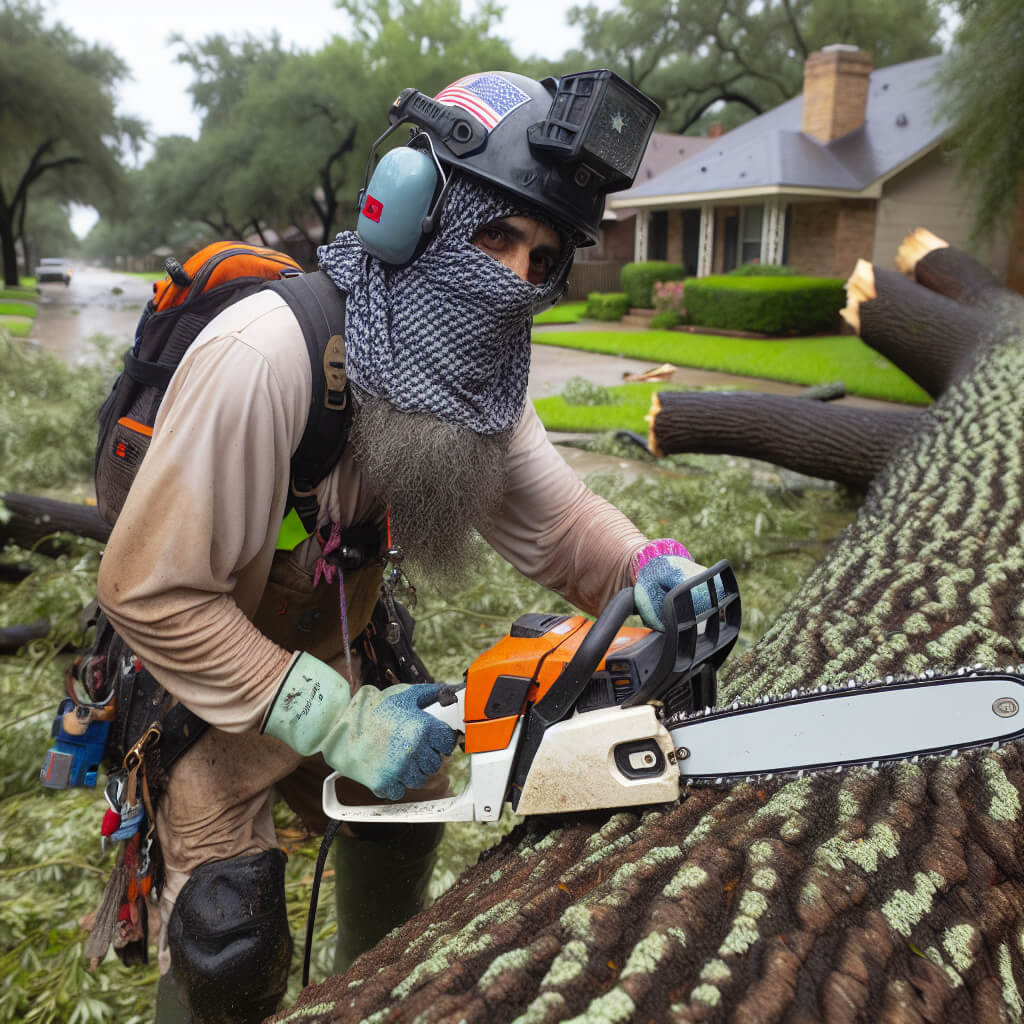
Whether it’s a hurricane, a spring thunderstorm, or one of those wild gust fronts we get in Memorial or The Heights, emergency tree removal is something most homeowners face at least once. I’ve personally handled thousands of these calls across the Greater Houston area, and over time I’ve learned what works — and what causes more damage. In this article, I’ll share how emergency tree removal actually works, what homeowners should do right after a storm, and how to prevent tree disasters before they happen.
How Houston Storms Cause Tree Failures
Houston’s weather is unpredictable. One day it’s hot and humid, the next we’ve got strong winds and heavy rain. Our clay-based soil doesn’t help — it expands with moisture, then contracts when dry. That movement weakens root systems over time, especially around oaks and pines. When a fast-moving storm hits, those roots can’t always hold up the weight of a full canopy.
During Winter Storm Uri, I saw countless shallow-rooted pines in Katy and Cypress snap like toothpicks under the ice load. Then, in the last hurricane we faced, a series of Live Oaks along West Alabama came down because the soil around their roots was completely saturated. It’s never just “the storm” — it’s a combination of soil, species, age, and pruning history.
What to Do When a Tree Falls on Your Property
First thing — don’t panic, and don’t grab your chainsaw. Tree removal after a storm can be extremely dangerous, even if it looks simple. I’ve seen homeowners in Sugar Land try to cut a branch under tension, only for it to snap back and damage windows or vehicles. Safety always comes first.
Here’s what I tell my clients after every major storm:
- Stay away from fallen power lines. If you suspect a tree brought down electrical wires, call CenterPoint immediately before anyone touches the tree.
- Take photos for insurance. Documentation helps when filing claims, especially if the damage involves roofing, fences, or vehicles.
- Call a certified arborist. A professional can assess whether the tree can be saved or must be removed. You can always reach out to a licensed contractor for emergency tree removal right away.
Once the situation is safe, we use specialized equipment—cranes, rigging, and sometimes even bucket trucks—to take the pressure off structures before cutting. There’s an art to it. For example, during one cleanup in Tanglewood, we used a 75-ton crane just to lift half of a water oak off a roof without cracking the foundation. Every cut mattered.
How Professionals Handle Emergency Tree Removal in Houston
Emergency tree removal isn’t the same as regular tree removal. It often involves unstable trees, power lines, and high-risk structures. The first step is an on-site safety assessment. We identify hazards, mark where the tree’s weight is distributed, and decide if we need mechanical lifting. Most of these jobs happen in stages — remove weight, clear limbs, then drop or crane out the trunk in controlled sections.
Pricing varies a lot depending on the situation. For smaller jobs like a 20-foot ornamental tree that fell across a driveway in Katy, you might pay around $400 to $600. For large oaks or pines on a roof, the price can climb to $3,000 to $5,000 — especially if cranes or extra manpower are needed. Access is another major factor. Narrow lots in The Heights often require smaller equipment, which takes longer and costs more.
We also handle cleanup and debris removal, which is often the biggest surprise to homeowners. After Harvey, debris piles lined almost every Houston street for weeks. Nowadays, most reputable companies include haul-off in the job quote. It’s worth confirming before signing anything.
Minimizing Future Storm Damage
The best emergency is the one that never happens. Around late spring, I always advise my clients to schedule inspections and tree trimming before hurricane season kicks into gear. Proper pruning of dead limbs, correcting poor structure, and reducing canopy density can dramatically lower wind resistance.
I remember a homeowner in Memorial who took this advice seriously. We did a preventive trim on three large live oaks, focusing on balancing their load and removing weak crotches. When the next tropical storm rolled through, those trees handled it beautifully — not a single branch came down while their neighbors’ yards were full of debris. Careful, professional pruning saves both money and stress in the long run.
When to Call for Emergency Tree Services
If you notice a large tree leaning after a storm, soil upheaval near the base, cracked limbs, or exposed roots, don’t wait. Those are early signs the tree could fail. I’ve seen trees that looked stable in the morning end up collapsed by sunset. Quick action can prevent far worse damage down the line.
Certified arborists follow ISA standards for emergency response, ensuring every cut, lift, and rigging move is done to protect both people and property. Always ask to see licensing and insurance — Houston has its share of unqualified “tree guys” who show up with chainsaws and no safety gear. Trust me, you don’t want that liability.
FAQ
How much does emergency tree removal cost in Houston?
In my experience, most Houston homeowners pay between $800 and $2,500 for emergency tree removal, depending on tree size, location, and complexity. Big jobs involving cranes or roof extractions can reach up to $5,000.
Can homeowners insurance cover tree removal after a storm?
Usually yes, if the tree caused damage to a covered structure like your home, fence, or garage. Always document with photos and get a written assessment from your arborist to help with your claim.
Is it safe to remove fallen trees myself?
I strongly advise against it. Many emergency situations involve tensioned limbs or unstable trunks that can shift without warning. Professional crews have the right gear and training to do it safely.
When should trees be trimmed to reduce storm risk?
Late spring is ideal. That gives your trees time to recover before hurricane season. Focus on removing deadwood and balancing the canopy to reduce wind resistance.
Do I need a permit for emergency tree removal in Houston?
Most emergency removals don’t require advance permits if the tree poses an immediate hazard. Still, areas with HOA regulations or protected trees (like in city easements) might have specific rules, so always check before or right after removal.
Conclusion
Storms will always test Houston’s trees—and our patience—but being prepared makes all the difference. If a tree comes down after a storm, your first call should be for safety, not panic. A certified arborist can stabilize the situation and prevent further damage. And before the next hurricane season, get those trees inspected and pruned. It’s a small price to pay for peace of mind when those Gulf winds start howling again. After 17 years in this business, I can promise you: proactive care beats emergency cleanup every single time.