
<!–meta: Learn how emergency tree removal works in Houston, what affects costs, and how to prepare your trees for storms with expert insights from an ISA Certified Arborist.–>
Introduction
Last month, right after Hurricane Beryl blew through Houston, I got a call around 2 a.m. from a homeowner in the Heights. A massive water oak had fallen across their driveway, blocking their car and narrowly missing the porch. The tree had been leaning slightly for years, but it took a strong gust from that storm to finally bring it down. By sunrise, we had the crew out there cutting, rigging, and hauling, and by 9 a.m., you could’ve driven right through where that tree stood the night before.
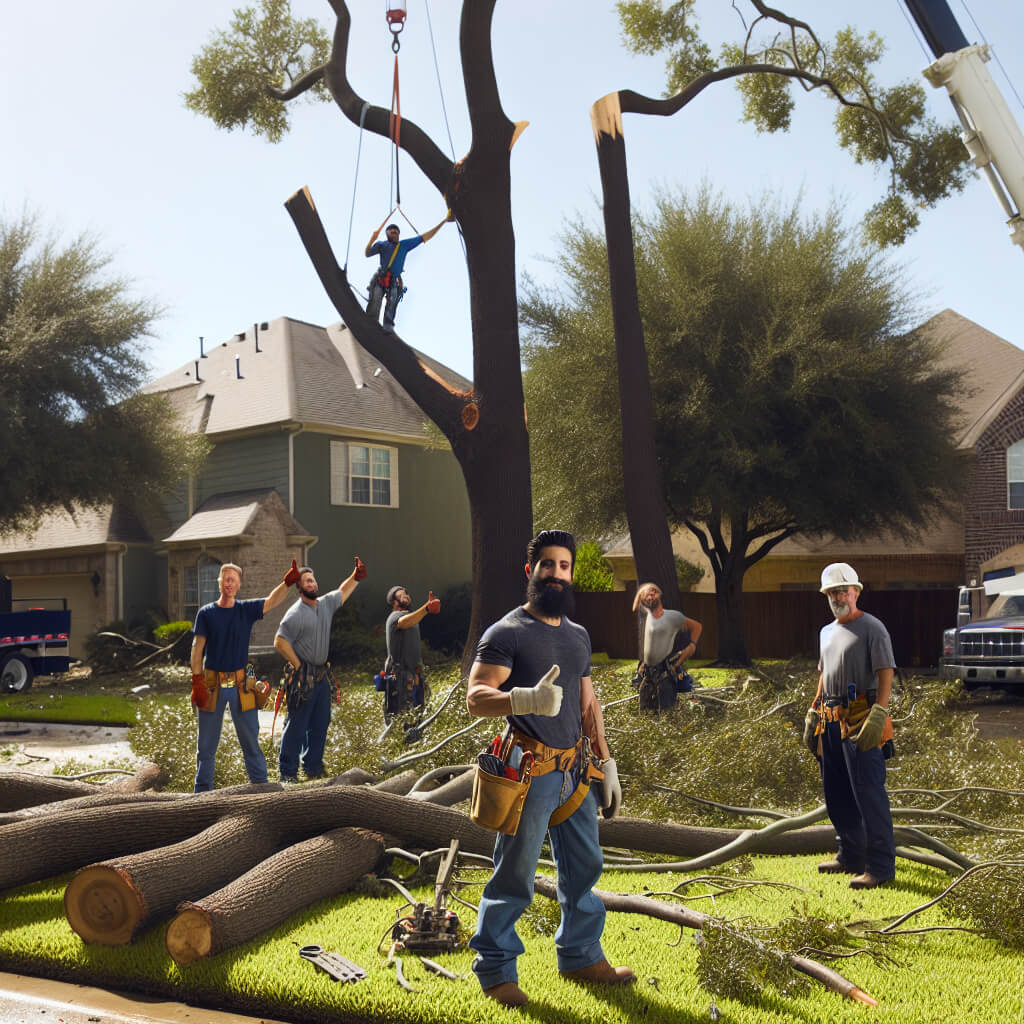
I’ve handled hundreds of calls like that over the years—after hurricanes, sudden microbursts, and even those freak spring thunderstorms Houston loves to throw at us. When your tree falls unexpectedly, especially near power lines or your home, it’s not just a cleanup job—it’s an emergency. So, let’s talk about what emergency tree removal really means, how it’s done safely, and what you can expect if it happens to you here in Houston.
What Counts as an Emergency Tree Removal?
Emergency tree removal is when a tree—or part of one—poses an immediate danger to people, property, or public safety. I’m talking about situations like:
- A tree limb crashed through your roof or fence during a storm.
- A trunk is leaning dangerously close to your power lines.
- A large branch snapped halfway and is hanging above your driveway.
In Houston, I see these emergencies spike every hurricane season. Live oaks topple when the clay soil softens, pines snap under high wind pressure, and old hackberries split down the middle. One of the trickiest jobs I ever handled was after the 2021 Winter Storm Uri—a 60-foot pine in Memorial dropped straight across a property fence, its root ball ripped out by frozen soil. It took a crane and six hours just to section it safely.
How Emergency Tree Removal Works
Every situation’s different, but the process generally follows a few key steps:
1. Assessment and Safety First
When I arrive at a scene, I always start with a safety assessment. Are there downed power lines? Is the tree stable, or still shifting? Sometimes we have to rope off the area until CenterPoint clears hazards. I once turned down a night job in Sugar Land because live power lines were entangled — we waited till sunrise for safety.
2. Rigging and Sectioning
Professional emergency tree removal isn’t about grabbing a chainsaw and hacking away. We use ropes, pulleys, and sometimes cranes to lower pieces carefully, especially near roofs or fences. Cutting in the wrong order can make an unstable tree roll or collapse unexpectedly. I’ve seen DIY jobs end badly because someone tried to “lighten” the weight from the wrong side.
3. Cleanup and Debris Removal
After removal, we haul off debris or leave it for city pickup if arranged. A lot of folks don’t realize Houston Solid Waste has specific rules about how limbs must be stacked for storm collection. If the volume’s too high or contaminated with soil, we dispose of it properly through commercial recycling yards.
4. Stump and Root Handling
Sometimes after emergency removal, you’re left with an ugly stump—and maybe lifted roots from our shifting clay soil. In that case, we schedule stump grinding once things have stabilized. You can’t really assess root damage or replant safely until that’s done.
Common Causes of Tree Emergencies in Houston
The Gulf Coast is rough on trees. Between intense winds, heavy rains, and drought cycles, trees here go through a lot. Here are some issues I see most often:
- Soil movement: Houston’s clay soils expand and contract, loosening anchor roots.
- Hidden root rot: Fungal decay, often in oaks, weakens trees from the inside out.
- Poor pruning history: Over-thinning or topping weakens tree structure.
- Old storm wounds: Trees that partially failed in older storms like Harvey or Ike often give way years later.
I’ll never forget a homeowner in Katy who called me years after Harvey. Their southern live oak had been scarred from storm strain but looked “fine”—until another windstorm came through and the old crack finally split the trunk in two. Preventive tree trimming could’ve saved that one.
What Does Emergency Tree Removal Cost in Houston?
Pricing depends heavily on the situation. If the tree’s simply down and accessible, you’re usually looking at $500–$1,500. But if it’s leaning on a roof, entangled in lines, or needing a crane, costs can rise to $2,000–$5,000. Last week, a pine removal in Cypress set a homeowner back $875—straightforward, no obstructions. Two days later, an emergency live oak crane job in Memorial ran close to $4,300 because of tight property access and roof damage risk.
Insurance often covers storm-related removals when a tree damages structures, but not always for yard cleanup alone. I always tell clients to call their adjuster before touching anything major, and to document with photos first.
How to Prevent Emergencies Before They Happen
While not every tree emergency can be predicted, most can be spotted ahead of time. Here’s what I recommend before hurricane season really gets going:
- Schedule a yearly inspection by a certified arborist.
- Watch for cracks, cavities, or mushrooms at the base.
- Keep soil around roots from becoming overly compacted or saturated.
- Maintain proper tree pruning every 2–3 years.
One quick check I tell folks in Bellaire to do: after heavy rain, look for trees leaning more than before—especially if you see soil pulling up near the roots. That’s your warning sign to call a professional before the next storm fixes it for you the hard way.
FAQs About Emergency Tree Removal in Houston
How quickly can a crew respond to a tree emergency?
Most certified crews (mine included) offer 24/7 response. In major storms, calls stack up, but usually we’re on-site within a few hours. During Harvey, I once handled five emergencies in a single day—three of them by generator light.
Who’s responsible if my neighbor’s tree falls on my property?
In most Houston cases, your insurance covers your property, even if your neighbor’s tree caused the damage. However, if there was proven neglect (like you warned them repeatedly about a dead tree), their policy might share liability. I always recommend documenting everything and calling both insurance companies.
Do I need a permit to remove a tree after a storm?
In unincorporated Harris County, usually not. But inside Houston city limits, protected trees—especially right-of-way ones—might require documentation even after failure. We handle that paperwork for clients in areas like Montrose or West University all the time.
Is emergency tree removal dangerous?
Absolutely. This is one of the most hazardous jobs in arboriculture because trees can shift suddenly. Gear failure, power lines, and unstable limbs all pose serious risks. Always call professionals—don’t climb or cut yourself in an unstable environment.
Conclusion
I’ve seen firsthand how one fallen tree can bring a family’s life to a standstill. The good news is, with proper maintenance and quick action when things go wrong, it doesn’t have to be a catastrophe. If you spot leaning trunks, hanging branches, or hear cracking after a storm—don’t wait. Call a certified arborist for an assessment. It’s always cheaper and safer to handle a weak tree today than clear one off your roof tomorrow.