
<!–meta: Learn how emergency tree removal works in Houston, what to expect, and how to stay safe when storms or fallen trees strike your property.–>
Introduction
Just a few months ago, right after one of those summer storms rolled through the Heights, I got a midnight call from a homeowner who said, “I heard a crack, and now there’s a tree on my garage.” When I showed up, rain still coming down, I saw what I’ve seen hundreds of times—an old water oak that never stood a chance after years of root stress in Houston’s clay soil. The tree had split, crushing their roofline and blocking the driveway. They were safe, thank God, but scared and unsure what to do next.
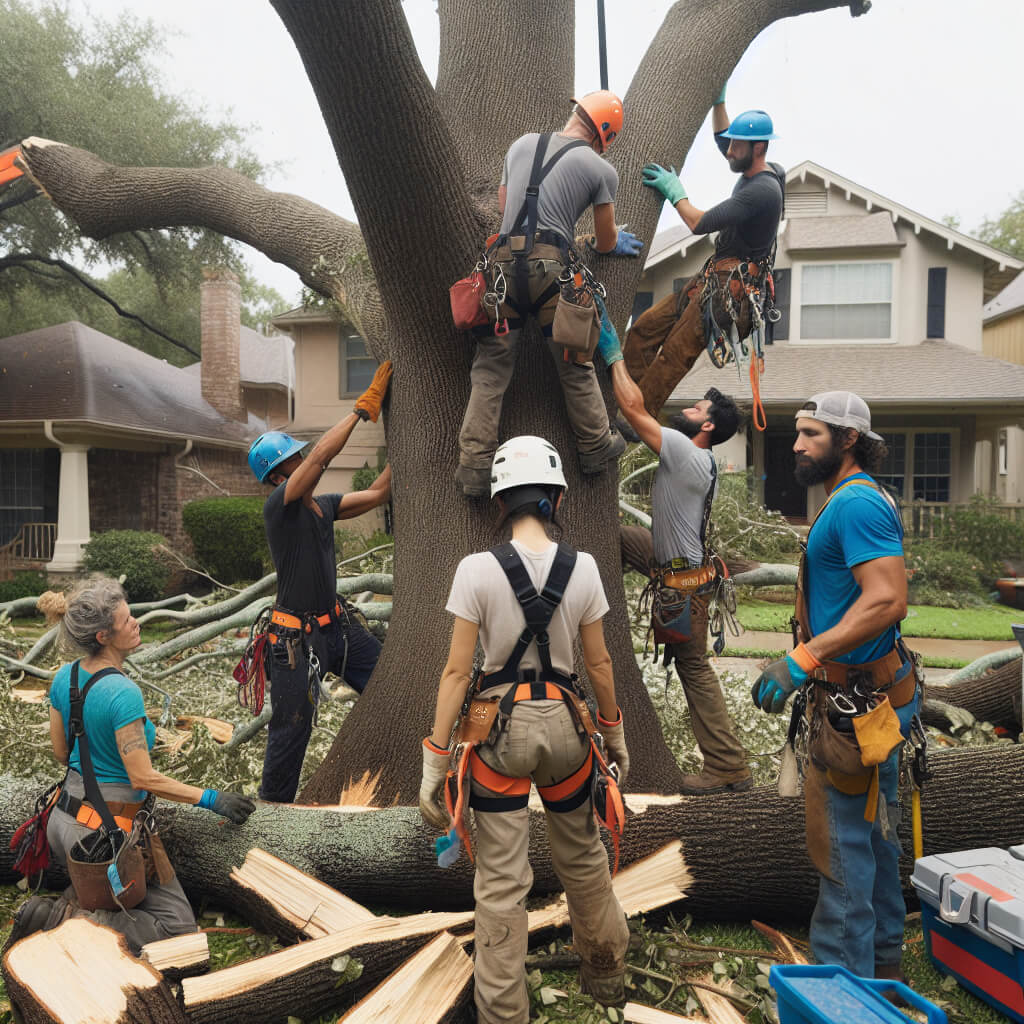
That’s what this article is about—helping Houston homeowners understand how emergency tree removal actually works. Over my 17 years as an ISA Certified Arborist, I’ve responded to more than 3,000 tree emergencies across Greater Houston—after hurricanes like Harvey, freezes like Uri, and sudden windstorms that seem to pop up out of nowhere. In this guide, I’ll walk you through when removal is considered an “emergency,” what to expect from a professional crew, how pricing really works, and what to do before help arrives.
When Is Tree Removal Considered an Emergency?
Not every leaning tree or broken limb counts as an emergency. I usually tell homeowners to look for three big danger signs:
- The tree is threatening people, property, or utilities. If a limb is resting on your roof, fence, or vehicle—or touching power lines—call for emergency tree removal right away.
- The tree is actively falling or moving. If you can see the soil lifting around the root flare or hear cracking, that’s an urgent situation.
- The tree is structurally compromised. Trees split by lightning, wind shear, or decay can collapse without warning.
After Hurricane Beryl, I saw dozens of pines in Memorial and Kingwood that looked “okay” from the street but had sheared roots underground. You’d only realize it when a breeze sent them swaying at the base—that was our cue to act fast.
What to Do Before the Professionals Arrive
One thing I always stress to homeowners: don’t try to handle it yourself. Fallen trees can be dangerously unpredictable, especially when tangled in power lines or sitting under tension. Here’s what you should do instead:
- Stay clear of the area. Don’t walk under hanging branches or near leaning trunks.
- Shut off nearby utilities if safe to do so, especially if there’s roof or structure contact.
- Call CenterPoint Energy or authorities if power lines are involved.
- Take photos for insurance purposes—before and after professional removal.
When I worked a case in Katy after a microburst, the homeowner had tried to chainsaw part of a leaning pine himself. It kicked back when the tension released, missing him by inches. These trees hold an incredible amount of weight; one bad cut can make things much worse.
How Emergency Tree Removal Works in Houston
When you call a professional for tree removal, here’s what typically happens:
1. Safety Assessment
We start with a risk assessment—checking structural stability, access points, and proximity to electrical hazards. During Harvey, I remember a case in Meyerland where a massive pecan had wedged itself between two houses. The first 20 minutes were all planning: rigging points, anchor setups, and making sure no additional damage would occur.
2. Controlled Dismantling
We dismantle the tree section by section using ropes, pulleys, and sometimes cranes. This isn’t your average yard work. One slip or misjudged cut can add thousands in damage. That’s why experienced teams with proper certification are vital.
3. Debris Removal and Cleanup
Once the threat is neutralized, we clean up debris and, if needed, provide stump grinding to finish the job safely and restore your property. Some insurance policies even cover a portion of this, depending on how the tree fell and what it damaged.
Emergency Tree Removal Costs in Houston
People often ask, “What will this cost me?” I get it—these things never happen at a convenient time. Based on my experience across Houston, emergency tree removals usually range from $900 to $3,500. Factors like tree size, location, storm conditions, and equipment needs can bump that number up. For example:
- A small pine blocking a driveway in Cypress might cost about $800.
- A large live oak entangled with power lines in the Heights could run closer to $4,000.
The biggest difference between routine and emergency work is risk and timing. We’re often operating at night, in limited access, with specialized gear—and every decision matters for safety.
Preventing Future Emergencies
Most emergencies I respond to had warning signs months before the call. You can prevent many problems with regular tree trimming and professional inspections. In Houston’s clay-heavy soil, tree roots expand and contract dramatically during droughts and rains. That movement stresses roots and can tilt mature trees over time.
I always recommend homeowners get a certified arborist inspection once a year—especially before hurricane season. Checking for cracks, fungus, or canopy imbalance can save you thousands and a lot of stress down the road. During the 2021 freeze, I saw so many brittle trees snap because they hadn’t been pruned in years, trapping moisture and decay.
FAQ
How much does emergency tree removal cost in Houston?
In most cases, Houston homeowners pay between $900 and $3,500 for emergency removal. The price depends on access, equipment needs, and the risk level. Jobs requiring a crane or night work tend to cost more.
Will my insurance cover tree removal after a storm?
Usually yes, but it depends on what was damaged. If the tree hit your home, fence, or structure, most home insurance policies cover removal. If it just fell in the yard, the policy may not include cleanup costs. Always check with your insurance adjuster before filing.
Is it safe to try moving a fallen tree myself?
Absolutely not. Even small trees under tension can release suddenly and cause serious injury. Always wait for professionals who have proper rigging and safety equipment.
How quickly can a crew respond in an emergency?
Most Houston tree service companies offer 24/7 emergency response. In my case, I can usually reach clients within an hour in the city and within two hours in outlying areas like Katy or Pearland.
What’s the best way to prepare trees before hurricane season?
Schedule regular pruning to reduce wind resistance, inspect for weaknesses, and address root health. Removing deadwood and balancing the canopy can prevent uprooting during heavy winds.
Conclusion
When it comes to emergency tree removal in Houston, the key is staying calm, staying safe, and calling certified help fast. Every hour counts when a tree is threatening your home or family. I’ve seen too many situations where waiting “just to see” turned a small job into a massive repair. Get your trees inspected regularly, keep them trimmed, and know who to call before the next storm blows through. I’m always here to help—day or night.