
<!–meta: Learn how to master tree health care in Houston’s unique climate with expert tips from a certified arborist, including disease prevention and seasonal maintenance.–>
Just last week, I visited a homeowner in the Heights who was worried about her live oak dropping yellow leaves in late summer. She thought it was dying. Turns out, it was just stress from compacted soil and overwatering — a problem I see almost daily in Houston. With the mix of clay soils, heavy rainstorms, and those brutal dry spells, keeping trees healthy here takes a little extra attention.
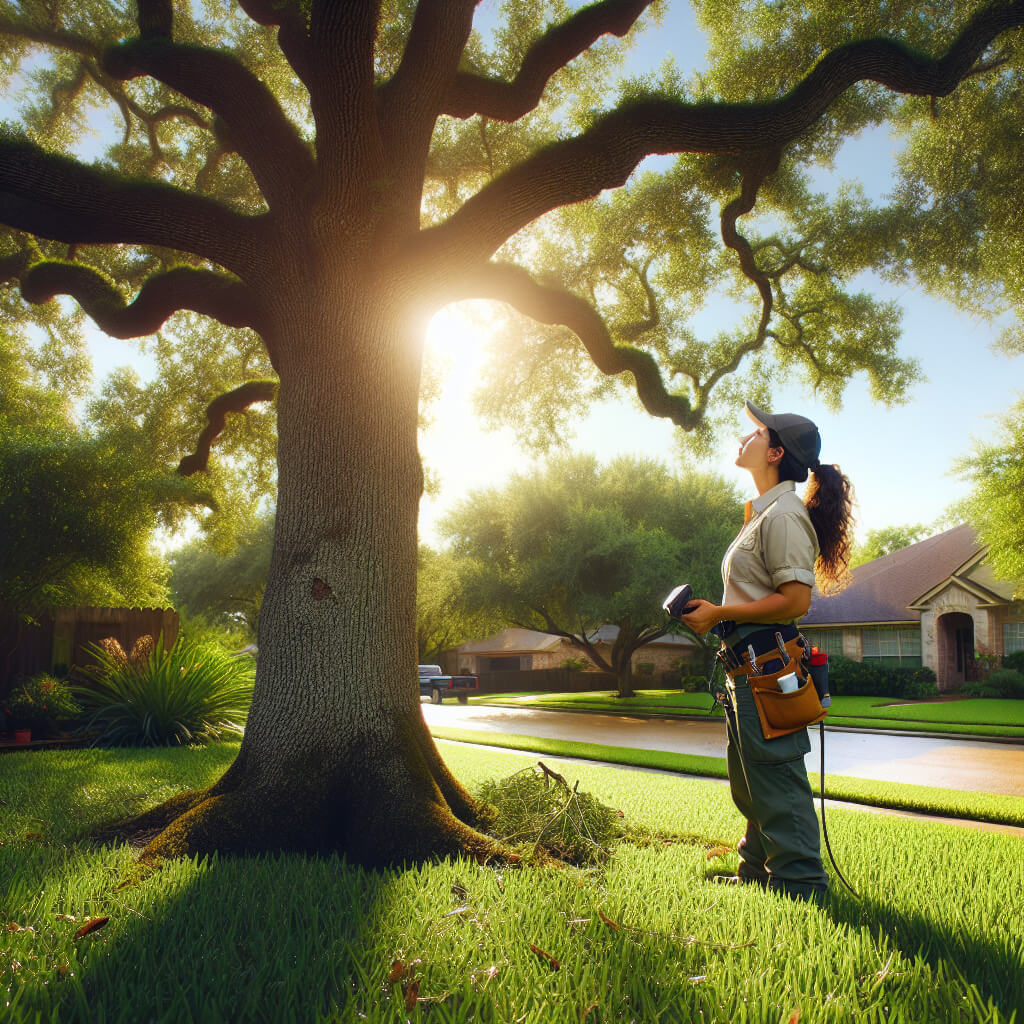
In my 17 years caring for Houston trees, I’ve seen perfectly good trees decline simply because homeowners didn’t understand what their trees were trying to tell them. That’s why I put this guide together — to help you keep your trees healthy year-round, avoid costly removals, and spot problems before they become disasters.
Understanding Houston’s Unique Challenges
Houston isn’t like other cities when it comes to tree care. Our soil, weather, and even local pests throw special curveballs at trees. Let’s break it down:
- Clay Soil: It holds water like a sponge during heavy rain, then shrinks and cracks in drought. This constant expansion and contraction can strangle roots or cause surface heaving.
- Extreme Weather: Between hurricanes, droughts, and the occasional winter freeze, trees go through a lot of stress here. After storms like Harvey and Beryl, I saw dozens of otherwise strong oaks uprooted because their root zones were too shallow.
- Humidity and Disease: Warm, damp air is a breeding ground for fungal infections like oak wilt and root rot. I can spot powdery mildew a mile away just by walking through a shaded Memorial yard after a humid week.
Healthy Soil Means Healthy Trees
I can’t stress this enough — tree health starts below ground. I’ve treated countless declining pines and magnolias in Sugar Land that bounced back simply because we improved the soil structure. In our dense urban yards, soil compaction from foot traffic, lawn mowing, or construction can suffocate roots.
Here’s what I recommend:
- Aerate the soil around your trees once a year using an air spade or soil probe to loosen compaction.
- Apply 2–4 inches of natural mulch (never more) but keep it away from the trunk. I call it the “donut, not volcano” rule.
- Avoid piling grass clippings or building flower beds against the trunk — both can promote decay and attract insects.
Proper Watering and Fertilization
A surprising amount of tree decline I see in Katy and Pearland comes from watering mistakes. People either flood their trees daily or barely water them at all.
Deep, infrequent watering is best. Aim for once a week in dry spells, giving a slow soak directly at the drip line. If you’re unsure, dig a small hole about six inches deep — if it’s dry, it’s time to water.
Fertilization helps when nutrient levels are low, but don’t guess — have your soil tested. Overfertilizing can burn roots or cause rapid, weak growth. I once assessed a red oak near Galleria that had leaf burn from excessive nitrogen. Sometimes, less really is more.
Pruning for Health, Not Just Looks
One of the best ways to support your trees long term is through proper tree pruning. I’ve seen beautiful live oaks ruined because they were “lion-tailed” — meaning all interior branches were stripped out, leaving a top-heavy canopy. That makes them vulnerable to limb failure, especially in our hurricane seasons.
In my experience, good pruning does three things:
- Removes dead or diseased branches to stop spread.
- Improves airflow and light, reducing fungal growth.
- Shapes a strong structure that can handle storms.
If you’re not sure how to prune safely, hire a local arborist. Trimming too much or at the wrong time can cause lasting damage. In fact, after the winter freeze, I spent weeks fixing bad cuts that caused regrowth issues.
Common Houston Tree Pests and Diseases
Even healthy trees can fall victim to insects and pathogens. Here are a few that hit Houston hardest:
- Oak Wilt: This fast-spreading disease can kill a live oak in months. If your oak has sudden leaf drop and reddish veins, call a professional immediately.
- Ball Moss: It’s common on live oaks and doesn’t always harm the tree, but when it gets thick, it blocks sunlight and airflow.
- Bagworms and Aphids: These pests love pines and elms, especially during hot, dry months. You’ll spot silk bags or sticky residue (honeydew) on leaves.
- Root Rot: Usually from overwatering in bad drainage areas. I once saw five backyard magnolias near Cypress lost because their roots sat in standing water for weeks after a storm.
Preventive Care Saves Money Down the Road
The biggest takeaway from my career? Preventive care always costs less than emergency service. For example, a basic inspection and pruning might cost around $300–$600 for a medium tree. Compare that to $2,000 for an emergency tree removal after a storm. I’ve seen homeowners lose entire fences and roof sections because minor issues were ignored.
Schedule annual checkups, especially before hurricane season and after major weather events. Most licensed arborists in Houston offer free or low-cost assessments — it’s worth the peace of mind.
What You Can Do Right Now
- Inspect your trees for cracks, fungus, or insect activity.
- Mulch properly and adjust watering habits based on rainfall.
- Call a certified arborist if you notice sudden leaning, dieback, or hollow sounds in the trunk.
- Keep your trees trimmed and balanced for storm readiness.
FAQs About Tree Health Care in Houston
How often should I have my trees inspected?
I recommend once a year, ideally before hurricane season. Houston storms can quickly turn hidden weaknesses into emergencies.
Can I save a tree that’s losing branches?
Sometimes, yes. If the core structure and root system are healthy, proper tree trimming and cabling can stabilize it. But if there’s internal decay or fungus, removal may be the safer choice.
When’s the best time to prune trees in Houston?
Late winter or early spring is ideal for most species. Avoid pruning oaks in summer to reduce oak wilt risk. After hurricanes, we do selective pruning to remove storm damage only.
What’s the difference between trimming and pruning?
Trimming usually means cutting for shape or clearance; pruning focuses on tree health. I always say: trimming changes how a tree looks, pruning changes how it lives.
Conclusion
Healthy trees don’t just happen — they’re the result of steady care and understanding how your yard interacts with Houston’s unpredictable weather. I tell every homeowner: if you keep your soil healthy, prune smart, and stay ahead of disease, your trees will reward you with decades of shade and beauty.
If something looks off or you’re unsure, don’t wait. Contact a certified arborist for a quick checkup. Whether it’s a simple pruning job or a full health assessment, proactive care beats surprise removals every time.