
Introduction
Last summer, right after that stretch of 100-degree weeks, I got a call from a homeowner over in Memorial. Their live oak had dropped a huge limb across their driveway. When I got there, the tree’s canopy was thinning, leaves were yellowing, and it had obvious heat stress. “We water the grass all the time,” they told me—but the roots of that oak were bone dry two feet down. That’s something I see far too often around Houston.
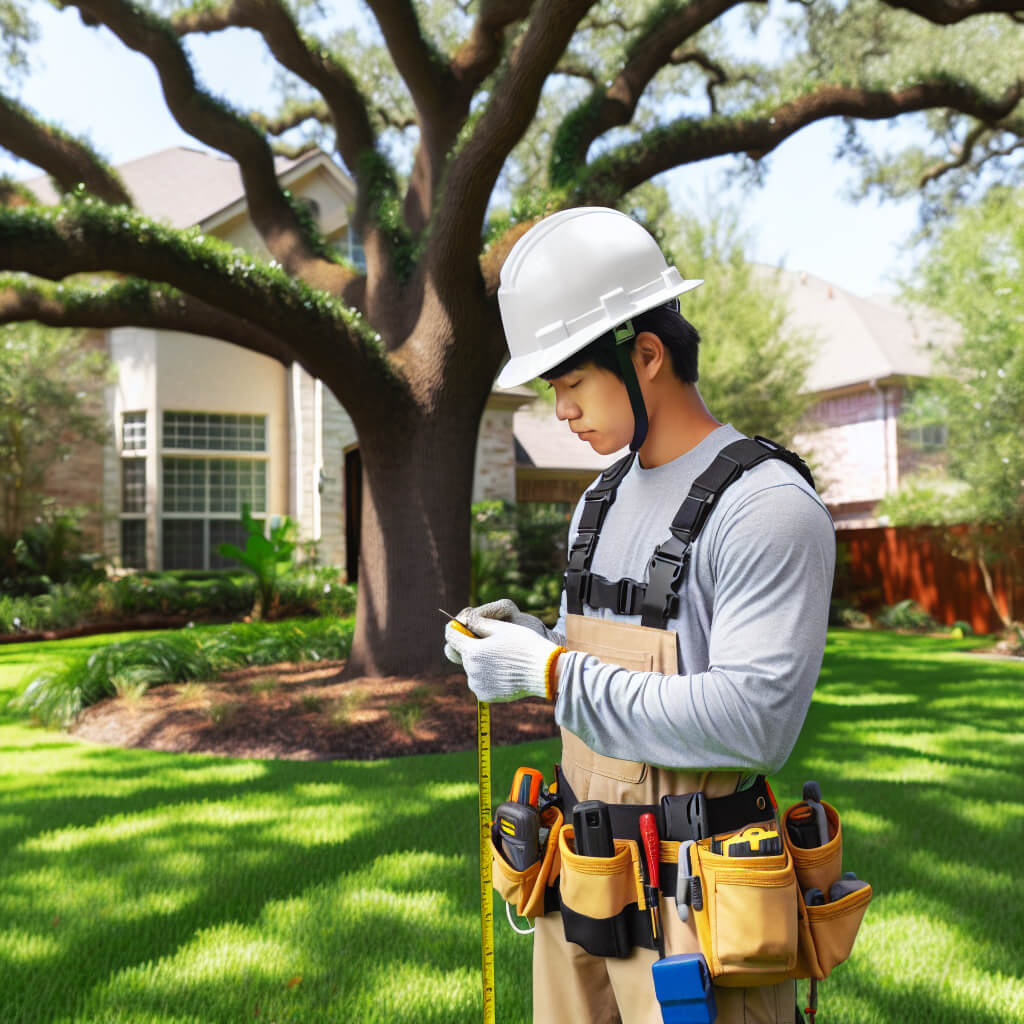
Our climate here is tough on trees. One month it’s swampy and raining every afternoon, and the next we’re baking through a drought. Add in Houston’s heavy clay soils that expand and contract constantly, and even healthy trees can go downhill fast if they’re not properly cared for. In this article, I’ll walk you through the essentials of tree health care in Houston—what to watch for, how to keep your trees thriving, and when to call a professional before a small issue becomes a dangerous one.
Understanding Houston’s Tree Challenges
Houston’s trees face a unique combination of stressors that most places don’t. The first is our extreme soil conditions. Our clay alternates between soggy and rock-hard depending on rainfall. That movement stresses roots and can lead to slow decline. I’ve seen mature pines in Katy simply topple after a wet winter because their weakened roots couldn’t hold once the wind picked up.
The second big challenge? Our weather swings. During the freeze a few years back, I responded to dozens of emergency calls after live oaks and magnolias lost branches from sudden cold shock. Then came the summer heat that finished off already weakened trees. It’s not always easy to see how temperature and soil affect trees beneath the surface, but keeping moisture consistent and soil aerated is key.
Essential Tree Health Care Tips for Houston Homeowners
1. Deep Watering (Not Just Lawn Sprinklers)
One of the biggest misconceptions I run into is homeowners thinking their lawn irrigation system keeps trees hydrated. It doesn’t. Most turf sprinklers only wet the top few inches of soil. For trees—especially large oaks or pines—you want water reaching 12–18 inches deep. Use a soaker hose in a slow spiral pattern around the drip line, and water for 30–60 minutes once or twice a week during heat waves.
I remember a job in Sugar Land where we saved a declining red oak just by adjusting the watering schedule. Within two months, new growth appeared, and the canopy filled in beautifully. A simple change made a huge difference.
2. Annual Tree Inspections
I always tell homeowners—treat your trees like your HVAC system. Have them checked at least once a year. A professional arborist can identify early signs of decay, pests, or structural issues long before they become dangerous. Small cracks or hollow spots that seem harmless can split wide open during the next big storm. I’ve seen it happen dozens of times during hurricane season.
Scheduling an annual assessment also helps you plan preventive care—like tree trimming, soil aeration, or deep fertilization—before the heat or hurricanes roll in.
3. Proper Pruning and Canopy Care
In neighborhoods like The Heights or West University, where space is tight, I see a lot of improper pruning done by landscapers who mean well but don’t follow arborist standards. Over-pruning or “topping” trees can shock them or create weak new growth. Certified arborists follow ANSI A300 pruning standards to improve structure and airflow without hurting the tree.
When I pruned a row of water oaks near Rice University last spring, we focused on crown thinning and removing crossing limbs to reduce wind resistance. Those trees made it through the last big storm without a single broken branch.
4. Watch for Early Disease and Pest Signs
Our region’s humidity is a breeding ground for tree diseases. Fungal infections like Hypoxylon canker or oak wilt spread fast in stressed trees. Look for discolored leaves, cracked bark, or sawdust-like residue at the base. If you catch it early, treatments like systemic fungicides or improved soil care can save the tree. Wait too long, and removal may be your only option.
During the aftermath of Harvey, I saw dozens of pines on the west side develop root rot from prolonged flooding. That’s why disease prevention—through healthy soil and proper drainage—is a top priority here.
5. Mulch the Right Way
Mulch is one of the easiest and cheapest forms of tree care, but only if it’s done correctly. Spread 2–4 inches of mulch in a wide circle around the base, keeping it a few inches AWAY from the trunk. Volcano mulching (piling it against the bark) traps moisture and causes rot. I once removed a beautiful 40-year-old oak in Cypress simply because the base had rotted undetected under a thick mulch pile.
6. Be Proactive Before Storm Season
Every summer I remind clients: don’t wait for that first tropical storm warning to start worrying about your trees. Schedule preventive pruning now to remove weak limbs before hurricane season. Also, have a plan for emergency tree removal if needed. A little preparation keeps you and your property safe when high winds hit.
After Hurricane Harvey, I worked around the Galleria area on trees that hadn’t been maintained for years. We could’ve prevented more than half those failures with routine care. Healthy trees are more flexible and much less likely to break.
When to Call a Certified Arborist
If you notice large dead limbs, trunk cracks, or mushrooms growing around the base, don’t put it off. That’s your sign to call a certified professional. Homeowners sometimes wait until limbs are hanging dangerously or a storm has already brought one down. By then, you’re looking at an emergency job that costs far more than preventive care.
In my experience across Houston, most tree removal projects could’ve been avoided with early intervention. Removing a medium-size oak safely can run $800–$2,500 depending on access and risk. A simple inspection and pruning plan might only cost a few hundred a year—and keep your trees standing strong.
FAQ
How often should I water my trees in Houston’s heat?
During long hot spells, give deep soakings once or twice a week. Avoid daily shallow watering—it encourages surface roots and weakens the tree long-term.
What’s the best fertilizer for Houston trees?
Look for slow-release fertilizers with micronutrients like magnesium and iron. Houston’s clay soil locks up those nutrients, so feeding twice a year (spring and fall) keeps them balanced.
Can I tell if a tree is diseased or just drought-stressed?
It can be tricky. Drought stress shows as curled, crispy leaves, while disease may cause pattern discoloration or sap leaks. A certified arborist can diagnose for sure using core samples or bark inspections.
What’s the biggest mistake Houston homeowners make with tree care?
Waiting too long. Trees decline slowly, so most folks don’t notice until branches start dropping. Early assessment saves money and trees.
Should I have my trees checked after a major storm?
Absolutely. Even trees that look fine after wind events may have root or branch stress. A quick post-storm assessment will spot hidden damage before it causes problems later.
Conclusion
Healthy trees don’t happen by luck—they happen with attention and consistent care. If you keep your soil healthy, water deeply, and stay proactive with pruning and inspections, your trees will handle Houston’s wild weather just fine. Don’t wait until your tree starts dropping limbs or leaning to act. A simple checkup from a certified arborist can save you thousands in damage and preserve some of the best shade you’ll ever have.