
<!–meta: Learn when to act fast for emergency tree removal in Houston. Tips from a certified arborist with 17 years of storm response experience.–>
Introduction
Just after Hurricane Beryl passed through, I got a call from a homeowner in Sugar Land around 2 a.m. Their 40-foot live oak had come down across the driveway, blocking both cars inside. When I arrived, branches were still dripping from rain, and power lines were tangled in the canopy. That’s a textbook example of when you need emergency tree removal—and fast.
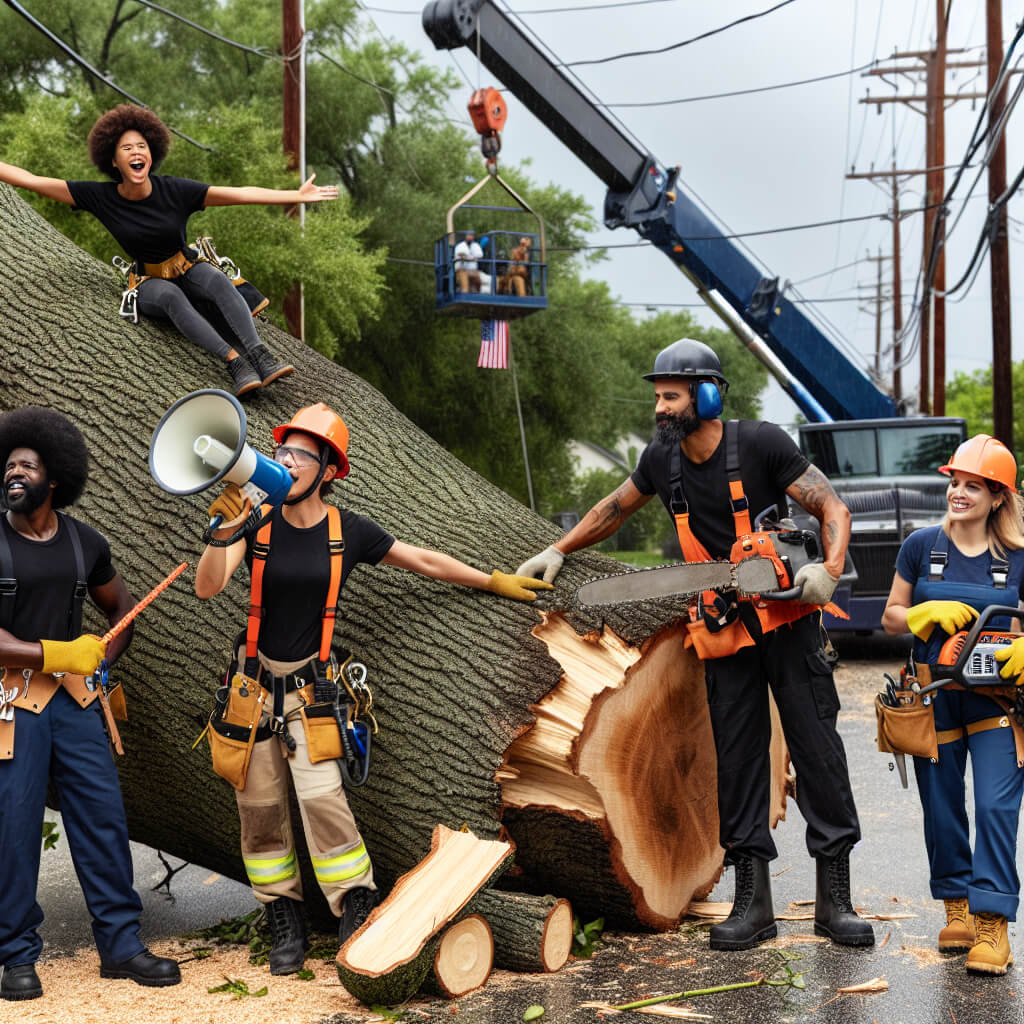
Living in Houston, we all know storms aren’t rare events; they’re a season. Between June and November, I respond to dozens of these calls every week. Some situations are minor, others life-threatening. Knowing when to act fast can save you money, protect your home, and, most importantly, keep your family safe.
So, let’s talk about what really qualifies as an emergency, what to do (and not do) right after damage, and how to handle the call safely and efficiently here in Houston’s unpredictable climate.
What Counts as a Tree Emergency in Houston?
Not every fallen branch or leaning tree is an emergency. But in my 17 years doing this, I’ve learned some clear warning signs that tell you it’s time to call a professional right away.
1. When a Tree Threatens Your Home or Power Lines
If a large limb or the whole tree is resting against your roof, fence, or power line, don’t wait. Houston’s clay soil expands and contracts like a sponge—after heavy rain, the roots lose grip, and trees can shift suddenly. I’ve seen trees that looked stable one hour collapse the next.
One call that stands out was in the Heights. A 55-foot water oak had leaned after a week of rain. The homeowner thought it wasn’t urgent. Overnight, gusts picked up, and that tree crashed through their breakfast room wall. The repair costs were six times what preventive tree trimming would’ve cost.
2. Uprooted or Splitting Trees After a Storm
If you see soil heaving at the base or a fresh split in the trunk, it’s not safe to ignore. Houston’s mix of wind and saturated soil makes this the most common post-hurricane issue. After Harvey, I saw hundreds of pines toppled onto roofs in Katy and Memorial—the roots simply couldn’t hold after days of soaking rain.
3. Blocked Access or Public Safety Hazards
When a tree blocks your driveway, driveway exit, or street, call for emergency assistance immediately. Fire trucks and ambulances can’t access your property if the road’s blocked. In these situations, city or county emergency crews may also get involved, depending on the hazard location.
First Steps to Take After Tree Damage
Before picking up the chainsaw (which I never recommend untrained), stop and assess. Here’s what I tell every homeowner after a big storm:
Step 1: Check for Safety Hazards
Stay far away if there are downed power lines or branches touching electrical equipment. Call CenterPoint Energy or your local utility provider. Even low-hanging power lines can carry serious current. I can’t count how many calls I’ve turned down temporarily because it wasn’t safe to start until the power company cleared it first.
Step 2: Take Photos for Insurance
Before moving anything, snap photos of the damage. Your insurance company will need these for claims. A quick set of smartphone shots can make reimbursement much smoother. I once had a client in Bellaire who moved all debris before taking pictures—made the claim process twice as long.
Step 3: Call a Certified Arborist
Not every “tree guy” has emergency experience. You want someone licensed, insured, and ISA-certified who knows how to safely manage risky removals. A certified arborist can also inspect for hidden hazards, like cracked trunks or branches lodged under tension. I’ve seen branches snap unpredictably even 24 hours after a storm.
How Emergency Tree Removal Works
When we get an emergency call, here’s what typically happens:
- Site assessment: We safely inspect from all angles to identify hazards like downed lines, structural tension, or root instability.
- Equipment setup: Depending on access, we might bring in a crane, bucket truck, or spider lift. In tighter urban lots—like the ones in Montrose—it often requires climbing and rigging by hand.
- Controlled dismantling: Every limb is rigged and lowered strategically to avoid further property damage. We remove debris as we go to reduce risk.
- Final cleanup & inspection: Once the tree is down, we assess whether stump grinding is needed to prevent root regrowth or rodent nesting.
Houston Emergency Tree Removal Costs
Now, let’s talk numbers—because that’s usually the next question I get. In Houston, most homeowners pay between $1,200 and $3,500 for professional tree removal after a storm. Prices go up if the tree is large, near structures, or requires crane access. Smaller emergency jobs, like clearing a single fallen limb off a driveway, might run closer to $400–$800.
For comparison, last month I removed a pine that had fallen through a shed in Cypress. It cost $950 because we could clear it quickly with no power line issues. But another case in Memorial, where a massive live oak was tangled over a roof and a transformer, cost $4,800 due to crew hours and crane setup. That’s the kind of range Houston homeowners can expect in storm conditions.
Preventing Future Emergencies
This is my favorite part—because prevention really does work. Most of the emergencies I respond to could’ve been avoided with proper tree pruning every two to three years. Weak branches, heavy canopy weight, or poor root structure are things we can spot long before they become hazards.
Here are a few Houston-specific tips:
- Clay soil management: Get your trees inspected yearly if the soil around them cracks or bulges. That’s a sign of expansion or root shift.
- Avoid overwatering: Houston homeowners love to irrigate lawns, but saturated roots are the top reason we see oaks topple.
- Trim before storm season: Schedule professional trimming in late spring—before tropical storms roll in.
If you’re part of an HOA or commercial property, you might also be required to keep certain limbs clear of sidewalks or power lines. Many of my clients in The Woodlands and Cinco Ranch call me yearly for HOA compliance checks.
FAQ: Emergency Tree Removal in Houston
How do I know if my tree will fall?
Look for cracks, leaning trunks, or exposed roots—especially after long rain periods. If you see soil lifting or hear creaking sounds in the wind, call a professional right away.
Should I wait until the next morning to call?
If the tree is on a power line, blocking access, or resting on your house, call for emergency storm damage assistance immediately. Many local crews (mine included) operate 24/7 during storm season.
Does insurance cover emergency tree removal?
Most Houston homeowners’ policies do cover storm-related damage, but limits vary. Usually, removal costs are covered if the tree damaged a structure or blocked access. Always photograph everything before cleanup.
Can I remove the tree myself?
I strongly advise against it. Storm-damaged trees are unpredictable. A branch under tension can whip with dangerous force. Leave it to trained, insured professionals with proper rigging gear.
What should I do after the tree is removed?
Schedule a follow-up assessment. Sometimes the neighboring trees are also compromised. And if needed, stump grinding helps prevent pests or regrowth from the base.
Conclusion
If there’s one thing Houston homeowners learn quickly, it’s that storms don’t wait—and neither should you when a tree poses danger. Whether it’s a leaning pine after days of rain or a giant oak split by wind, fast action can protect your home and save you thousands in repairs. If you ever find yourself unsure, call a certified arborist. I’ve seen firsthand how minutes can make a difference during hurricane season. Stay safe, and get those trees checked before the next big storm rolls through.