
Introduction
Last summer, right after a heavy rainstorm blew through the Heights, I got a call from a homeowner who’d noticed brown patches spreading across their live oak’s canopy. “It just started after that storm,” they said. When I got there, I found compacted soil, tangled mulch, and water pooling at the base — all the perfect conditions for root rot. They weren’t neglectful; like most Houston homeowners, they just didn’t realize how tough our climate is on trees.
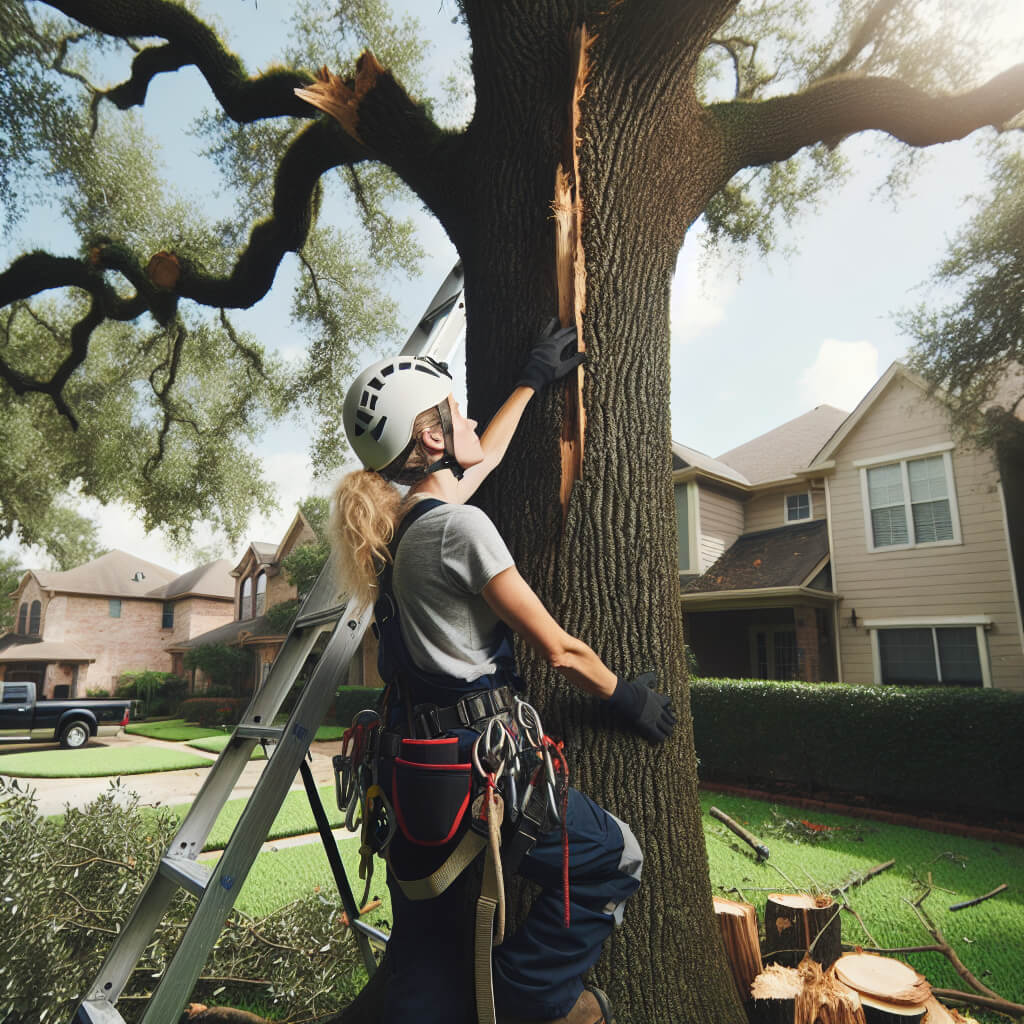
Houston’s trees deal with more than their fair share: sticky humidity, clay soil that floods then cracks, scorching droughts, and hurricane-force winds. In my 17 years as an ISA Certified Arborist working across the Greater Houston area, I’ve learned that keeping trees healthy here isn’t about doing more — it’s about doing the right things at the right time.
In this article, I’ll walk you through reliable tree health maintenance tips for Houston homeowners — the same things I teach my own clients in places like Memorial, Katy, and Sugar Land. We’ll cover pruning, watering, soil care, and early warning signs that can save you thousands down the road.
The Houston Tree Environment: What Makes It Tricky?
Before we talk care, you’ve got to understand what your trees are up against. Houston’s heavy clay soil expands when it’s wet and shrinks when it’s dry. That constant shift can choke roots or break fine root hairs, especially for species like live oaks or red maples. Then mix in our long, humid summers, and you’ve got prime conditions for fungal diseases like Hypoxylon canker or root rot.
During drought years, the top few inches of soil bake hard. Roots can’t breathe, and trees start shedding limbs to conserve energy. I’ve seen pines in Katy completely brown out in August just because irrigation systems were set for turf and not deep watering. Little details make a big difference here.
Tip 1: Proper Watering Means Deep and Infrequent
The most common question I get: “How often should I water my trees?” The answer depends on your soil and the tree’s age — but generally, established trees in Houston need a deep soak once every 7–10 days during dry months. You want water to reach 12–18 inches down into the root zone, not just the surface.
Skip the daily sprinkler misting — it just encourages shallow roots. I usually recommend setting a soaker hose in a ring around the drip line, letting it run about 45 minutes once a week. After Winter Storm Uri, I saw dozens of stressed trees recover beautifully just from homeowners adjusting their watering habits.
Tip 2: Smart Pruning Keeps Trees Strong
Good pruning isn’t just about looks. It’s about safety and structure. I can’t tell you how many Bradford pears I’ve seen split in half during storms because they were never thinned properly. Correct tree pruning improves air movement through the canopy, reduces fungal issues, and keeps weak limbs from snapping during high winds.
For most species in Houston, late winter or early spring is the best time to prune — just before new growth starts. Skip summer for major pruning, unless you’re dealing with damaged or diseased limbs. And always cut outside the branch collar; flush cuts can lead to decay later on.
Tip 3: Mulching Done Right
Mulch helps protect roots, but it can also harm if done wrong. You’ve probably seen “mulch volcanoes” — mountains of wood chips piled against the trunk. That traps moisture on bark and invites decay. Instead, spread a 2–3 inch layer in a donut shape around the base, keeping it a few inches away from the trunk.
After Hurricane Beryl, I helped a homeowner in Sugar Land who had three water oaks suffocating under 8 inches of old mulch. Once we corrected it and aerated the soil, new root growth returned within months. Sometimes the simplest adjustments make all the difference.
Tip 4: Watch for Early Disease and Pest Signs
Houston’s humidity is paradise for fungus. Look for early signs like leaf spots, cankers, or slow dieback at branch tips. If your live oak suddenly drops leaves in summer, call an arborist quickly — it might be oak wilt or fungal blight. Pines turning yellow from the top down often mean bark beetles.
Routine checkups save trouble. A yearly tree health inspection is much cheaper than a full tree removal later. I tell homeowners in River Oaks to walk their yard once a month. It’s amazing how often they’ll catch something small before it becomes serious.
Tip 5: Soil Aeration and Root Care
Compacted soil is one of Houston’s silent killers. If you can’t easily push a screwdriver into the ground near your tree, your roots are struggling. Aerating the soil around the drip line restores oxygen flow. I use an air spade to loosen compacted ground without damaging roots — the difference in root growth is incredible within one growing season.
Consider adding organic compost after aeration to boost microbial life. In heavy-traffic areas like front yards in West University, root issues are very common because of constant foot and mower pressure. Addressing the soil is often more effective than extra fertilizer.
Tip 6: Prepare for Houston’s Storms
Storm prep is part of healthy tree maintenance here. Every June, I walk through neighborhoods like Spring Branch and Memorial, helping homeowners identify limbs likely to fail during hurricane winds. Weak V-shaped crotches, heavy lower branches, and trees leaning toward structures deserve attention before the season starts.
If a major storm does damage your property, make sure you have an emergency tree removal plan in place. I’ve responded to hundreds of emergency storm damage calls over the years — proper maintenance saves you stress and cost later.
Tip 7: Fertilization – Only If Your Tree Needs It
Houston’s native trees like live oaks, bald cypress, and southern magnolias usually don’t need much fertilizer. Over-fertilizing can actually burn roots or promote weak, fast growth that breaks in storms. If your tree’s growth has slowed or leaves pale, get a soil test before doing anything else. A qualified arborist can identify nutrient gaps safely.
FAQ: Tree Health Maintenance in Houston
How often should I get my trees inspected?
I recommend at least once a year, preferably in late winter or early spring. That way, we can spot potential issues before hurricane season or new growth starts.
Why do my oak trees have hanging moss?
That’s likely ball moss, which loves Houston’s humidity. It’s not usually harmful, but if it’s covering more than 40% of the canopy, it can reduce light and airflow. A proper tree trimming can help manage it.
Should I remove a tree that looks half-dead?
Not necessarily. I’ve brought back trees homeowners thought were goners after Uri by pruning deadwood, correcting watering, and aerating the roots. Always have a certified arborist evaluate first — it may be worth saving.
Is it okay to prune my own large trees?
For small branches under 2 inches, sure. But for larger limbs or work near power lines, it’s best to hire professionals. Safety gear, ropes, and proper cuts matter — and we’re trained for that.
What do tree care services cost in Houston?
General maintenance like pruning runs about $400-$1,000 for most residential yards. Health assessments or soil aeration vary depending on tree size and access. Preventive care is always cheaper than emergency work later.
Conclusion
Healthy trees don’t happen by accident — they’re the result of consistent, thoughtful care. Water deeply, prune smart, watch for subtle signs of stress, and pay attention to how your soil behaves through our crazy Houston weather cycles. Whether you live under towering oaks in the Heights or pines in Cypress, these steps will keep your trees thriving for decades.
If you’re unsure where to start, schedule a professional tree health assessment. A little proactive attention now can save a lot of heartache — and expense — when the next hurricane rolls through.