
<!–meta: Discover when to call for emergency tree removal in Houston after hurricanes and storms to protect your home and family.–>
Introduction
After every major storm in Houston, my phone doesn’t stop ringing. Homeowners from Katy to The Heights call in a panic about fallen trees, split trunks, and branches dangling over power lines. I still remember one call after Hurricane Beryl—a huge water oak had come down on a family’s roof in Sugar Land. The homeowner told me, “We heard a crack right after the worst wind gusts, then a crash.” That’s the kind of moment where every second counts.
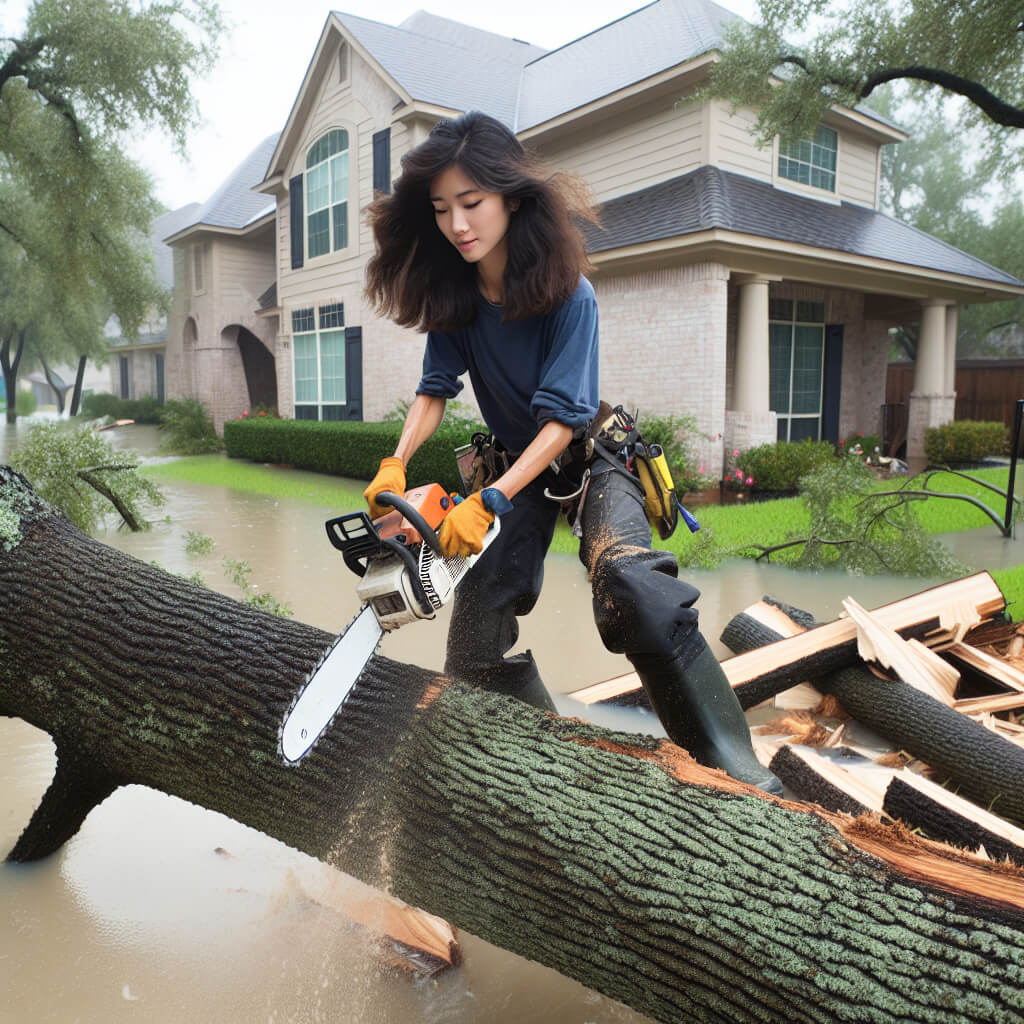
Tree emergencies around here are no joke. Between heavy rain, unstable clay soil, and hurricane-force winds, trees that look strong one day can turn dangerous overnight. In this article, I’ll walk you through how to tell when a tree situation is an emergency, how fast you should act, and what steps to take before and after calling for emergency tree removal in Houston.
Why Houston Trees Fall So Easily During Storms
Houston’s weather puts our trees through the wringer. The soil here—mostly gumbo clay—expands when wet and contracts when dry. That movement weakens root systems over time, especially for shallow-rooted species like water oaks, sweetgums, and pines. Combine that with hurricane winds or saturated ground, and even mature trees can topple.
After Hurricane Harvey, I worked a 72-hour stretch removing downed pecans and red oaks in Bellaire and Meyerland. Most weren’t even rotten; their roots just couldn’t handle the waterlogged ground. When you see a 50-foot oak uprooted across a driveway, it really drives home how powerful nature can be. That’s why paying attention to early warning signs—like leaning trunks or soil cracks—is so important.
Recognizing a True Tree Emergency
Not every fallen limb means you need emergency tree service, but some situations demand immediate action. Here are the main signs that you should pick up the phone fast:
- A tree or large limb on a structure: If a branch or trunk is resting on your roof, fence, or car, don’t wait. The added weight and shifting wood can cause more damage—and it may not be safe to inspect on your own.
- Power line contact: I can’t stress this enough—never try to remove or even touch a tree tangled with power lines. Always call CenterPoint Energy first, then a certified professional for emergency tree removal.
- Sudden leaning or cracked trunk: I’ve seen trees lean overnight after a hard rain. If you notice sudden movement, large trunk splits, or heaved soil at the roots, it’s a ticking clock situation.
- Hanging or broken limbs (“widow-makers”): These are the branches that break halfway and dangle overhead. A gust of wind can send them crashing down unexpectedly.
One case that sticks with me was a leaning live oak in Memorial. The homeowner called at 10 p.m. after they heard creaking near their bedroom window. We arrived within 45 minutes and found the main trunk split halfway down the center. If they’d waited until morning, that tree could’ve crushed the entire end of their home.
What Happens During an Emergency Tree Removal
When I arrive on an emergency call, my first job is safety—both for my crew and for your property. We assess structural risk, power lines, and access points. Many Houston properties have tight fences or backyard decks that make the job tricky. This can affect cost and timing, which I’m always upfront about.
For an average emergency tree removal in the Houston area, homeowners typically pay between $1,200 and $3,500. A small fallen pine in Katy might cost $800, but a massive pecan tangled in power lines in West U could reach $4,000. We bring in specialized rigging, cranes, and chipper trucks when necessary. Speed matters, but so does caution—rushing a cut under tension can be downright dangerous.
How to Stay Safe Until Help Arrives
Here’s my advice if you’re waiting for professionals:
- Keep everyone (including pets) away from the damaged tree area.
- Don’t use ladders or chainsaws yourself—especially during wet or windy conditions.
- Photograph the damage safely for insurance before removal begins.
- If the tree is touching your home, shut off power to that section until it’s cleared.
It’s normal to feel panicked when there’s a tree on your roof at 2 a.m., but remember that trained crews are used to operating in these conditions. Most of us have responded to hundreds of post-storm calls just like yours.
Preventing Emergencies Before They Happen
Honestly, half the emergencies I see could’ve been prevented with some timely tree trimming and proper maintenance. Weak branches, poor pruning cuts, and untreated decay often fail under pressure when wind speeds kick up. Here’s what I recommend for Houston homeowners:
- Schedule annual tree inspections: Especially before hurricane season. A certified arborist can identify weak points early.
- Keep canopies thinned properly: Reducing wind resistance helps prevent branches from snapping or trees from uprooting.
- Watch your soil: In drought, deep water your trees; during wet months, check for standing water and root heave.
- Remove dead or diseased trees early: It’s cheaper and safer to do planned tree removal than emergency removals.
One homeowner in Cypress I worked with had a pine leaning dangerously after several months of drought. We trimmed the canopy and installed a support system before hurricane season hit. When the big storms rolled through, that tree stood solid while others nearby came down. A little preparation goes a long way.
Dealing with Insurance After a Tree Emergency
After the removal, document everything. Take photos of damage before and after cleanup. Most homeowner policies cover tree damage if it hits a structure, but not if it simply falls in the yard. Every insurance company works differently, but in Houston I’ve seen most respond quickly after named storms. Providing professional documentation from a certified arborist often speeds up claims.
FAQ: Houston Emergency Tree Removal
How fast can you respond to emergency tree removals in Houston?
In most cases, my crew can respond within a few hours—faster during hurricane events when we’re already staged in high-risk areas like Memorial, Sugar Land, and The Woodlands. If there’s a safety concern, we move you to the top of the list right away.
Will my insurance cover emergency tree removal?
Usually yes, if the tree has damaged your home, fence, or vehicle. If it just fell in the yard, you might have to pay out of pocket. Always check your policy’s “fallen tree” section and keep receipts and photos for claims.
What’s the cost difference between emergency and regular removal?
Emergency work costs more because it’s done after hours, in hazardous conditions, or with special equipment. A standard removal in dry weather might be $1,000; emergency removals often run 30–70% higher depending on complexity.
Can trimming or pruning really prevent storm damage?
Absolutely. Proper tree pruning reduces canopy density and balances weight, which helps trees withstand high winds. I’ve seen well-maintained live oaks ride out hurricane gusts with minimal damage.
What should I do first if a tree falls on my house?
Stay calm, get everyone outside, and avoid touching anything electrical. Then call your utility company if power lines are involved, your insurance provider, and then an emergency tree service. Don’t try to handle it yourself—it’s not worth the risk.
Conclusion
If you live in Houston, you already know storms are part of life. But tree emergencies don’t have to catch you off guard. Pay attention to the signs, keep your trees maintained, and when something feels unsafe, act fast. I’ve seen too many homeowners wait until morning only to find a tree through the roof. When in doubt, call a professional—your safety and peace of mind are worth it.