
<!–meta: Learn when and how to call for emergency tree removal in Houston, plus real homeowner examples and safety tips from ISA Certified Arborist Michael Torres.–>
When a Tree Turns from Beautiful to Dangerous
Last summer, right after a nasty thunderstorm rolled through the Heights, I got a call around 2 a.m. A massive water oak had uprooted and crashed across two driveways, barely missing a garage. That’s how it usually happens here in Houston — quiet one minute, chaos the next. When you’re staring at a giant trunk leaning on your roof or blocking your street, panic sets in fast. I’ve been there hundreds of times, and I can tell you: staying calm and acting quickly saves property and lives.
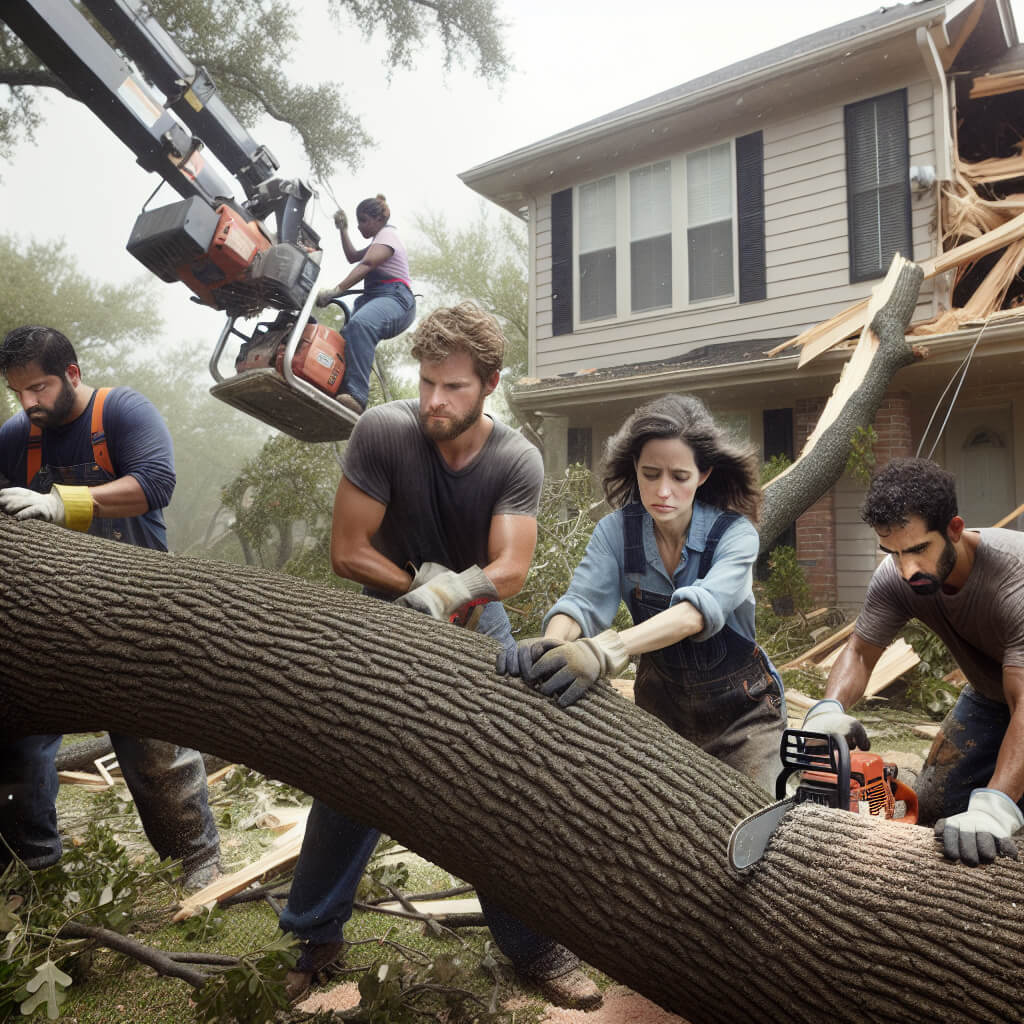
In this article, I’ll walk you through what every Houston homeowner should know about emergency tree removal — how to spot danger before disaster, what to do after storms like Beryl or Harvey, and how to find the right professionals when every minute counts.
How Houston Weather Creates Tree Emergencies
If you’ve lived here long enough, you know the drill: soggy clay soil all fall, dry and cracked by June, then hurricane or drought by August. Trees love the heat, but Houston’s unpredictable soil moisture and hurricane winds push them to their limits. Live Oaks are known for their spreading roots, which actually make them more stable in storms — unless the roots are cut during construction. Pine trees in west Houston neighborhoods like Katy and Cypress often snap at the base because of their tall, narrow growth in clustered lots.
When Hurricane Harvey hit, I removed two oaks on Westheimer that looked perfectly healthy the week before. What happened? Their root zones had been waterlogged for days. Once the soil loosened up, they just gave out. The next day, we were out doing tree removal nonstop.
Top Signs Your Tree Could Fail
Before a big storm or even during a dry summer, keep an eye out for these red flags:
- Leaning trunk: Especially if the lean is new or getting worse.
- Cracks in the trunk or soil heaving: Clay soil lifting around the base means roots are shifting.
- Dead or peeling bark: A sign of decay or disease weakening the structure.
- Fungus growth: Mushrooms near the base often mean root rot.
- Close contact to power lines: Never a good combination in storms.
I once inspected a leaning pine tree in Sugar Land that the homeowner had been “keeping an eye on” for a year. After a heavy rain, it came crashing down on their fence. That same tree could’ve been safely pruned and secured for a fraction of the cost two weeks earlier.
What to Do Right After a Tree Falls
When disaster strikes, safety comes first. I can’t stress this enough — don’t try to clear or cut anything yourself if power lines are involved. Stay far back and call 911 or CenterPoint right away. Once the area’s safe, contact a certified arborist (like me or another ISA-certified pro) who offers 24/7 emergency storm damage services.
Here’s the general process I use on emergency calls:
- Safety assessment: Check for electrical hazards, roof damage, structural issues.
- Stabilization: If a tree is still leaning on a structure, we’ll secure it before cutting.
- Controlled removal: Using cranes, rigging, and section cuts to prevent secondary damage.
- Debris cleanup: It’s dirty, stressful work, but clearing the area fast helps homeowners move forward.
During the 2021 winter freeze, I helped several families in Memorial area with frozen, split limbs that were dangling above roofs. We had to use cranes and bucket trucks to safely remove them before thawing weakened the wood further. Houston’s tree emergencies aren’t just about hurricanes — freezes, droughts, and even wind gusts in isolated thunderstorms can trigger serious risk.
How Much Does Emergency Tree Removal Cost in Houston?
I get this question more than any other. The cost varies widely depending on size, access, and urgency. In general, here’s what I’ve seen over the years:
- Small trees (under 20 ft): $300–$800
- Medium trees (20–40 ft): $800–$2,000
- Large trees (40 ft+ or near structures): $2,000–$5,000+
emergency rates can run higher since crews work through the night or in unsafe weather. Last month, we removed a 70-foot pine that fell through a fence in Katy. Because it was caught on a live electrical line, the total cleanup was just over $4,200. By contrast, a similar-size removal done under calm conditions might’ve been around $2,500.
When comparing estimates, make sure you’re hiring a licensed, insured, certified arborist. A guy with a chainsaw and no insurance could cost you a roof repair or worse.
Working With Insurance After a Tree Falls
Most homeowner policies in the Houston area cover fallen trees that damage structures — roofs, fences, sheds — but not cleanups when the tree falls harmlessly in your yard. I always tell clients: document everything. Take photos from every angle before any work starts. Your tree company should provide a detailed invoice showing tree size, location, and cause of failure (storm, decay, etc.). This makes reimbursement smoother.
I’ve had insurance adjusters meet me on-site after major events to confirm cause of failure. After Harvey, we processed dozens of removals this way — saving families thousands on repair costs.
How to Prevent the Next Emergency
Most tree disasters I see could’ve been prevented with one word: maintenance. Regular tree trimming and proper pruning keeps the canopy lighter and more balanced, so it catches less wind. Annual health assessments catch root rot, borers, or fungal decay before the trunk weakens.
In a city like ours, where clay soil expands and contracts constantly, root inspection is huge. If you’re noticing cracks in the soil around your oak or pine, that shifting could stress the roots. Schedule an assessment before the next heavy rain hits. It’s the best way to avoid waking up to a tree on your car.
Emergency Tree Work and HOAs
One quick note for folks in communities like Cinco Ranch or Bridgeland: HOAs often require documentation before major removals, but emergency situations are usually exempt when safety is at risk. Just make sure to follow up with your HOA compliance office afterward so they’re aware of the removal and can update your property file.
FAQ: Emergency Tree Removal in Houston
How fast can you respond to an emergency tree removal in Houston?
In most cases, our crew can get to you within a few hours. After major storms, response times can vary, but certified crews like ours prioritize trees posing immediate safety risks — blocked roads, power lines, or structures.
Should I try to cut branches myself after a storm?
Only if it’s completely safe and away from power lines. Many injuries happen when homeowners try DIY chainsaw work under stress. Let professionals handle overhead branches or heavy cuts — especially on leaning or cracked trunks.
Can the city of Houston remove a fallen tree?
The city only removes trees that block public streets or sidewalks. Anything on private property, even if it fell from a neighbor’s yard, is your responsibility. That’s where private tree service crews come in.
Does emergency tree removal include stump grinding?
Not always. If you want complete cleanup, ask your arborist about stump grinding after the emergency work. Many homeowners schedule it a few days later to save on cost.
How can I prepare my trees for hurricane season?
Schedule a pre-season inspection. We’ll check for weak limbs, overextended branches, or root issues. Light pruning, cabling, or even preventive removals can save major expense when the storms roll through.
Final Thoughts
Storms don’t give warning, and neither do failing trees. I’ve seen too many preventable disasters in my years working here. If you notice leaning, cracking, or root upheaval, don’t wait for the next big storm to find out the hard way. Get a certified arborist on-site, even for peace of mind. And if the worst happens, remember — emergency tree removal isn’t just cleanup; it’s about making your property safe again so you can start recovering.