
<!–meta: Learn how emergency tree removal keeps Houston homes safe after hurricanes and storms. Real stories, expert advice, and pricing insights from a certified arborist.–>
Introduction
Last summer, right after Hurricane Beryl tore through Houston, I got a call from a family in the Heights. A massive water oak had split in half and one section crashed onto their roof. They told me they’d heard a loud cracking sound around midnight, and by sunrise, the living room was soaked from the rain pouring through a hole in the ceiling. We rolled up with our crew and cranes before noon, carefully lifting that 60-foot trunk piece by piece to avoid more damage. I’ve seen this scene way too many times—strong trees brought down overnight by saturated clay soil and sudden wind gusts.
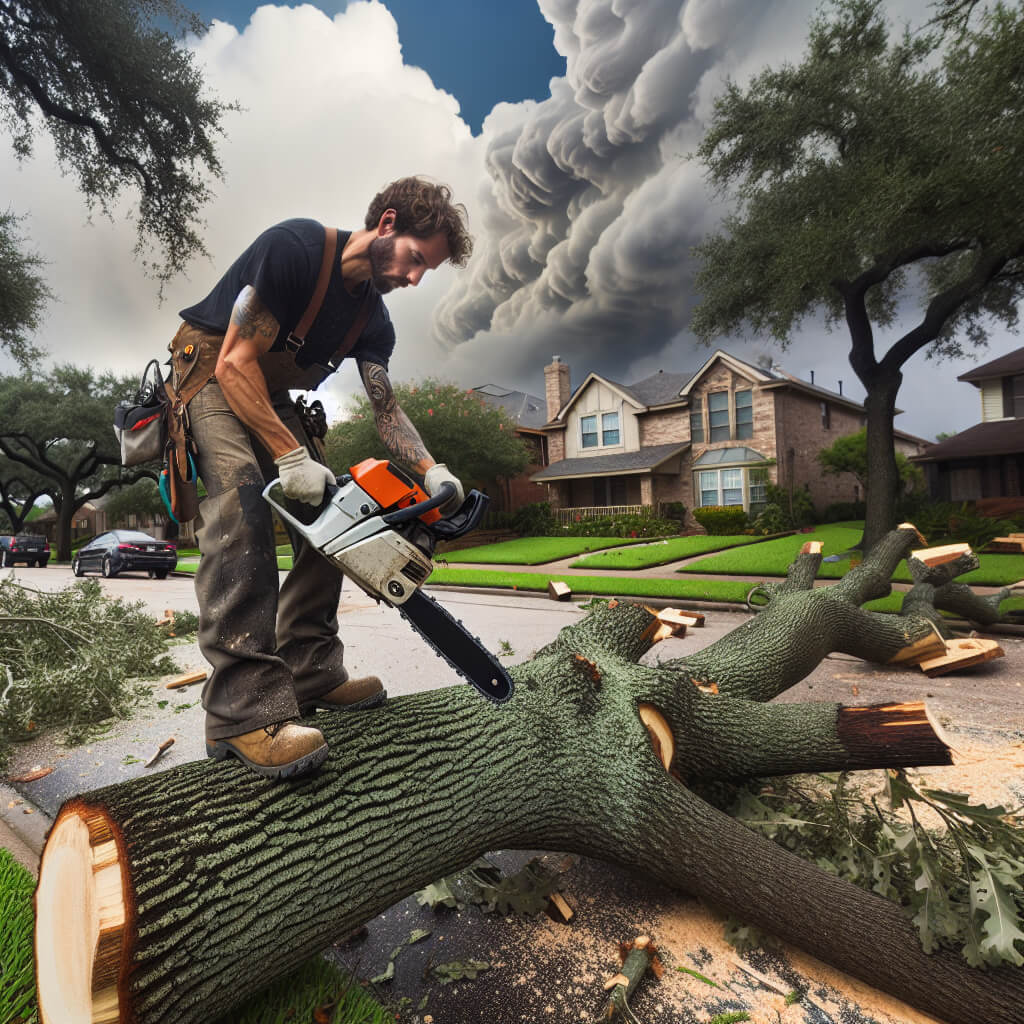
In this article, I’ll walk you through how emergency tree removal works in Houston, what to do when a tree falls on your property, why it’s critical to act quickly, and how to avoid getting caught in an unsafe situation during the next big storm. I’ll also share some local success stories and honest cost estimates I’ve seen across neighborhoods like Katy, Sugar Land, Memorial, and Clear Lake.
Why Houston Homes Need Emergency Tree Removal
Houston’s weather is unpredictable—one minute sunny and calm, the next you’re facing 60 mph gusts, soggy ground, and lightning strikes. Our heavy clay soils expand in spring and shrink during long heat spells. Add the weight of a big oak or pine tree, and you’ve got a recipe for leaning trunks and uprooted roots.
I still remember a huge live oak in West University that looked perfectly healthy until one stormy night turned it into a hazard. The roots couldn’t grip the wet ground anymore, and the entire tree toppled across the neighbor’s driveway. We had to bring in a crane at 2 a.m. to handle it safely. That kind of situation isn’t rare—it’s Houston reality.
That’s where emergency tree removal comes in. When storms like Harvey or Beryl hit, dozens of homeowners call within hours asking for help removing trees that crashed on fences, roofs, or even cars. Acting fast not only keeps your property safe—it prevents secondary damage from water leaks, electrical hazards, and pests that nest in broken trunks.
How Emergency Tree Removal Works
When you call an ISA Certified Arborist like me after a storm, here’s what happens step by step:
1. Initial Site Assessment
The first thing I check is danger level. Are there live power lines involved? Is the structure stable enough for us to work near it? If electrical hazards exist, we notify CenterPoint Energy right away before we touch anything.
2. On-site Safety and Planning
Once the area’s safe, we inspect how the tree failed—did it uproot, split, or break mid-trunk? This helps us decide the best removal method. In many Houston cases, trees snap mid-section from wind shear or root saturation. Wet soil basically lets the tree slide out of place.
3. Rigging and Section Removal
For large trees, we use ropes, pulleys, and sometimes cranes to remove each section piece by piece. The goal is zero collateral damage. During Hurricane Harvey, I remember one pine in Katy that barely missed a homeowner’s carport. We spent hours securing it with rig lines before cutting because one wrong move could have pushed it straight into the house.
4. Cleanup and Stump Removal
After the main trunk’s cleared, we handle stump grinding to eliminate trip hazards and prevent roots from sprouting back. This also keeps termites from setting up shop in old wood.
Common Types of Trees That Fall During Houston Storms
Over the years, certain tree species have shown patterns in how they respond to Houston’s climate:
- Water Oaks & Willow Oaks: Beautiful, but shallow-rooted. They’re usually first to go during hurricanes or extended rains.
- Pine Trees: Extremely tall and lightweight, often snap mid-trunk in high winds.
- Bradford Pears: Weak crotch angles. I’ve seen them split even in 40 mph winds.
- Chinese Tallows: Fast growers but short-lived. They uproot easily on clay-heavy lots.
- Live Oaks: One of the strongest, but if root flare is buried or soil stays soggy too long, even they’re vulnerable.
Knowing which tree species surround your property helps you plan better for severe weather. I’ve advised many Memorial and Sugar Land homeowners to start preventive tree trimming once storm season approaches.
Typical Costs for Emergency Tree Removal in Houston
Emergency tree work isn’t cheap, mostly because it’s labor-intensive and sometimes dangerous. In my 17 years, I’ve seen pricing all over the board depending on situation. Here’s a fair range for Houston homeowners:
- Small trees (under 25 ft): $400–$850
- Medium trees (25–50 ft): $900–$2,500
- Large trees over 60 ft or near power lines: $3,000–$6,000+
For example, last month I removed a fallen pine in Katy—easy access, minimal debris. That ran about $650. But a 70-foot live oak tangled in power lines near Memorial High School? That cost $4,800 with crane rental and utility coordination. Big difference—mainly due to risk, equipment, and accessibility.
Most insurance companies cover emergency removals that damage insured structures. I always tell homeowners: file that claim early, and keep photos of the damage before cleanup begins. That documentation helps immensely later on.
When to Call for Emergency Tree Removal
Here are some clear signs it’s time to pick up the phone for emergency tree removal:
- Tree or large branches on your roof, car, or fence
- Cracked trunk base or visible root lift from the soil
- Tree leaning more than 15 degrees after a storm
- Fallen trees blocking driveways or street access
- Hanging limbs caught in power lines
And one important note I’ve learned firsthand: don’t try to cut a fallen tree yourself if it’s under tension. I’ve seen homeowners nearly get seriously hurt when chainsaws bind or trunks spring back unexpectedly. Leave that kind of work to certified professionals.
Preventing Future Emergencies
Emergency removals are sometimes unavoidable, but there’s a lot you can do ahead of time. Routine tree pruning keeps canopies balanced and removes weak limbs that might break during storms. Also, have your big oaks and pines inspected every year or two—especially if you notice fungus, bark cracks, or root issues. Houston’s soil movement can stress trees without you realizing it.
I tell clients all the time: preventive maintenance costs far less than emergency cleanups. A $300 pruning can save you thousands in roof repairs come hurricane season.
FAQ
How much does emergency tree removal cost in Houston?
Most Houston homeowners pay between $900 and $2,500 for emergency removals, depending on access and size. Complex jobs involving cranes or power lines can reach $5,000 or more. Insurance usually covers storm-related removals when property is damaged.
Should I call my insurance before hiring a tree removal company?
Yes, call your insurance first to open a claim and document everything with photos or video. But don’t wait days—find a reputable, licensed arborist to secure the area immediately. Some companies (mine included) can bill directly to insurance after authorization.
What if my tree hasn’t fallen yet but is leaning after heavy rain?
That could mean the roots are lifting or the soil lost grip. In those cases, you’re better safe than sorry. Contact a certified arborist for a same-day inspection. Sometimes we can cable or brace the tree instead of removing it, but quick evaluation matters.
How can I prepare my trees before hurricane season?
Have them trimmed to reduce canopy weight and remove any deadwood. Check for root exposure and soil drainage around large oaks or pines. I recommend doing this by late spring before rains intensify. You can schedule annual inspections so small issues don’t build into big hazards.
Conclusion
Here’s what I’ve learned after nearly two decades in this business: trees are both beautiful and unpredictable. Houston’s storms show no mercy, and waiting until the next one hits can turn a small issue into a major cleanup. If you notice signs of stress, leaning, or storm damage, call a certified arborist before things escalate.
Even if it’s the middle of the night and the rain’s still coming down, we’ve got crews ready for emergency tree removal across Houston. Acting fast is the best way to protect your home, save money, and keep your family safe when nature throws its worst at us.