
<!–meta: Learn what every Houston homeowner should know about emergency tree removal—how to stay safe, what it costs, and what steps to take after storm damage.–>
Introduction
Just after Hurricane Beryl swept through, I got a call from a homeowner in the Heights. A towering pine had come down across their driveway, blocking their car in and barely missing the front porch. These calls come in fast during big storms, and I’ve gotten hundreds just like it over my 17 years here in Houston. When trees fall, panic hits first—but acting quickly and safely is what really makes the difference.
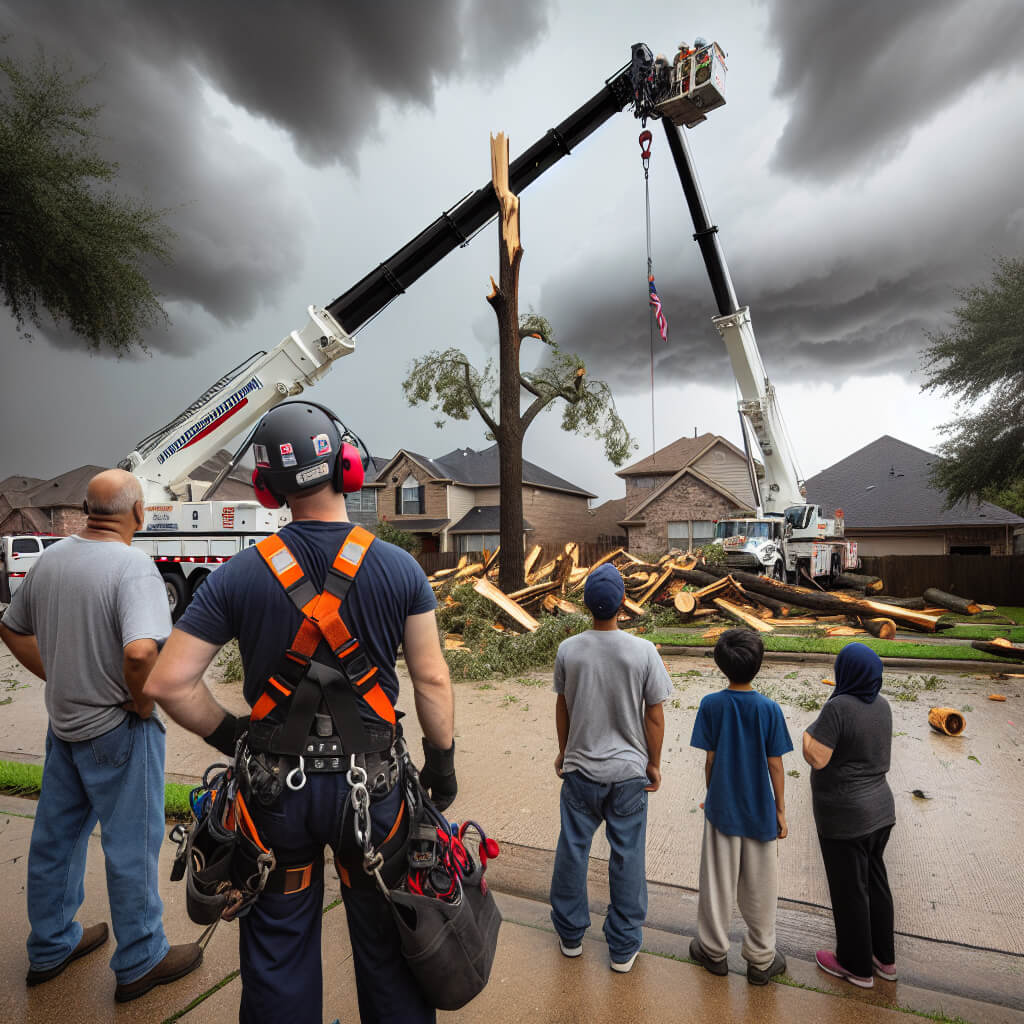
If you’ve ever wondered what actually happens during an emergency tree removal in Houston, how fast we can get to you, or what it costs, this one’s worth reading. I’ll walk you through what I’ve learned after handling thousands of storm-related tree calls—from Hurricanes Harvey and Ike to the 2021 freeze—and give you some simple steps that can save you a lot of money (and stress) down the road.
What Counts as an Emergency Tree Removal?
A true emergency is when a tree or large branch poses an immediate danger to life or property. That could mean a tree on your roof, leaning dangerously toward your home, or tangled in power lines. After storms, I’ve seen live oaks resting on rooftops in Memorial and pines split in half across driveways in Cypress.
Here’s a tip—if you can safely take a few photos before calling, do it. I often use those pictures to figure out what kind of equipment we’ll need, whether it’s a crane or just a climber with rigging gear.
The First Steps After a Tree Falls
First things first—never go near downed power lines or try to remove heavy branches yourself. I’ve seen homeowners in Katy get hurt trying to “just move one limb.” Those limbs can weigh hundreds of pounds. The smart move is to call a certified arborist right away. Services like emergency storm damage response crews are built for these situations—we’ve got the equipment and training to do it safely and quickly.
Here’s the typical process I follow:
- Assess hazards (power lines, structural damage, hanging limbs)
- Stabilize the area so nothing moves unexpectedly
- Coordinate with utility companies if lines are involved
- Perform the removal using cranes or rigging gear
- Clear debris and provide documentation for insurance if needed
Houston’s Unique Tree Challenges
Houston’s trees are tough but our soil and weather make for tricky conditions. The clay soil expands and contracts, loosening roots over time. Combine that with soggy ground after a week of rain, and roots can’t grip well. I’ve seen perfectly healthy oaks in Sugar Land just tip over after heavy storms because the ground lost stability.
And then there’s the humidity. Fungal decay works fast here, especially in the base of water oaks and hackberries. What looks solid on the outside sometimes turns into sponge on the inside. That’s why regular tree trimming and inspection help—weak branch unions or decay spots can often be spotted before disaster hits.
How Much Does Emergency Tree Removal Cost in Houston?
I get this question constantly, and I understand why—sometimes homeowners are facing surprise expenses right after a storm. In my experience, most emergency tree removals in Houston cost between $950 and $4,500. Here’s how that breaks down:
- Small trees (under 20 feet, easy access): $500–$900
- Medium trees (30–50 feet, moderate access): $900–$2,500
- Large or hazardous trees (near homes, power lines, or needing cranes): $2,500–$5,000+
One Heights homeowner recently paid $1,200 for a pine that fell halfway over their fence—no roof damage, simple removal. But a 60-foot water oak that crashed onto a home in Memorial Park area ended up around $4,000 because we needed a crane and insurance coordination. Timing matters too. During widespread storms, rates can go up temporarily because of the sheer demand and overtime crews.
Insurance and Documentation Tips
Most homeowners’ insurance will cover tree removals if a tree damages a covered structure like your roof or fence. It usually doesn’t cover simple yard cleanup. Always take photos—before, during, and after removal if you can. Our crews often document everything for you and send digital reports to your adjuster. It speeds up claims and ensures everyone sees what you’re dealing with.
When to Call for Help
If your tree is leaning, the roots are lifting, or large cracks have formed on the trunk, don’t wait for a full collapse. Give a certified arborist a call and request an inspection. Sometimes a bit of preventive tree removal saves thousands later. And if you ever think your tree may come down after heavy rain or high winds, call for emergency tree removal instead of risking it yourself.
Real Examples From the Field
I’ll never forget one case in Bellaire a few summers back. A homeowner noticed her live oak was leaning slightly after several days of heavy rain. By the time I arrived the next morning, you could actually see the roots lifting on one side. We secured it before it fell, saving the entire corner of her house—and saving her at least five grand in damage repairs. That’s how fast things can go from “fine” to “serious.”
Another one was in Cypress during Winter Storm Uri. Ice buildup snapped three big limbs over a driveway. The homeowner couldn’t get his car out for two days. We worked in 22-degree weather that morning cutting frozen limbs off with a bucket truck. That’s Houston weather for you—hurricanes in summer, ice in winter, and trees under stress year-round.
FAQs About Emergency Tree Removal in Houston
How soon can an emergency crew get to my property?
During normal times, within a few hours. After big storms, we work around the clock, usually clearing the most hazardous situations first. I’ve personally removed trees at midnight after Hurricane Harvey because they were blocking driveways or resting on power lines.
Does the city handle fallen trees on my street?
Only if they’re city-owned or blocking public right-of-ways. If a tree from your yard falls onto your property, even across a sidewalk, it’s typically your responsibility to hire a professional service.
Can I stay home during removal?
Yes, and in most cases, I recommend it so you can see how the process works and approve any necessary steps. Just stay clear of the active work zone until I or my crew give the okay.
Do I need a permit for emergency removal?
In Houston, true emergencies don’t require prior permits. Once the danger is removed, you may need to notify your HOA or city inspector, especially in certain master-planned communities. We handle that paperwork for you when needed.
Conclusion
Houston weather doesn’t play nice with trees. Between hurricanes, soggy springs, and those sudden cold snaps, things happen faster than most homeowners expect. The best advice? Treat any tree issue early, and when things get dangerous, don’t wait—call for professional emergency help right away.
Even after 17 years, I still tell every homeowner the same thing: safety first, inspection second, cleanup last. If you keep that order, everything else goes smoother—and your home, and family, stay protected through whatever Houston throws our way.