
<!–meta: Learn when to call for emergency tree removal in Houston, with safety tips, cost advice, and expert guidance from a certified arborist.–>
Introduction
Just a few weeks ago, I got a call from a homeowner in Memorial who woke up to a massive pine tree resting against their garage. The winds from a late-season storm had snapped it at the base. They were panicking — wires tangled in the branches, part of the driveway blocked, and rain still coming down. That’s a pretty familiar scene for me here in Houston. I’ve been doing emergency tree removal for 17 years, and I’ve seen just about every kind of storm chaos you can imagine.
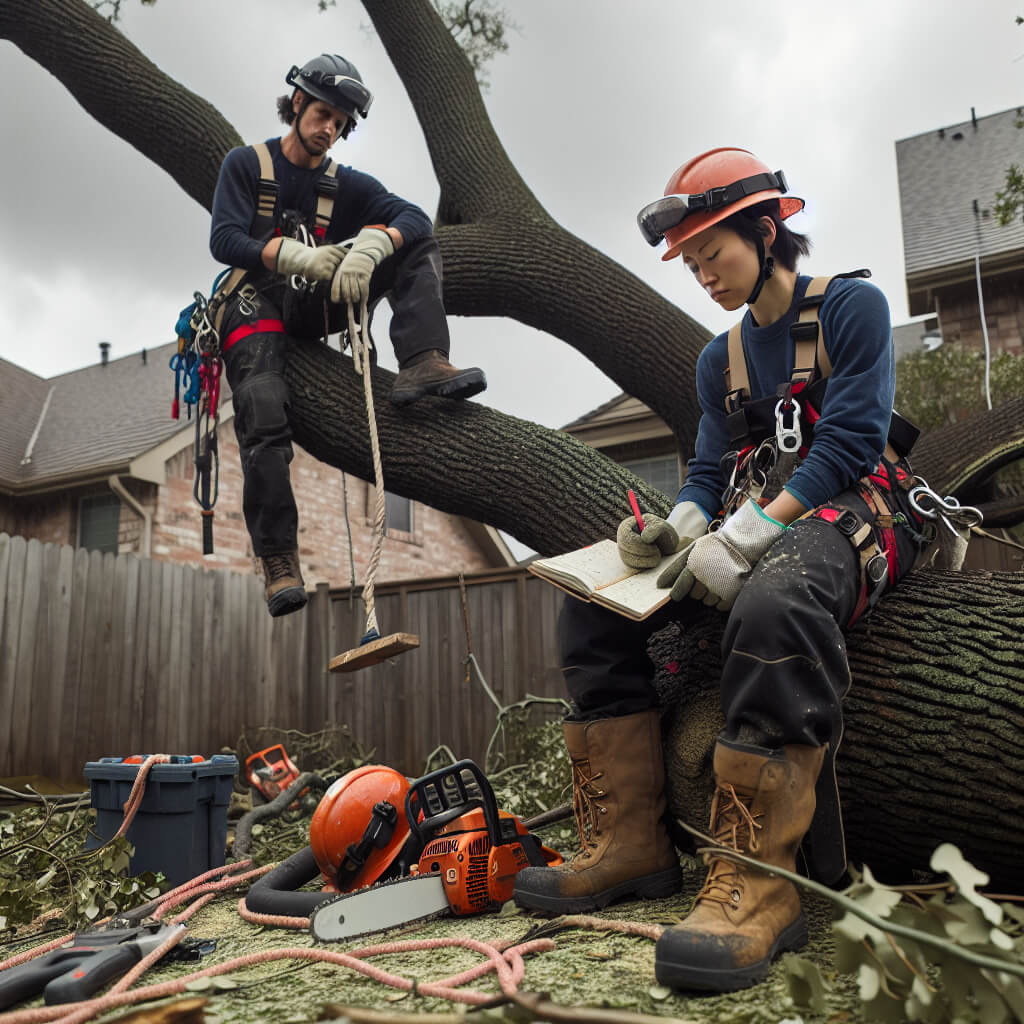
Whether it’s a hurricane, tropical storm, or one of those sudden gulf squalls that rip through town, trees come down fast in Houston. And when they do, safety becomes priority number one — not just for your property but for your family and anyone working on the cleanup. In this guide, I’ll walk you through what qualifies as a tree emergency, what to do immediately, and what professional removal typically involves here in Houston. I’ll also share some personal stories and cost insights from real jobs across town.
When Is It a True Tree Emergency?
It’s easy to underestimate the danger of a leaning or broken tree. I can’t tell you how many homeowners in Katy or Sugar Land have told me, “I thought it might come down eventually, but I didn’t think it would happen this soon.” Houston’s clay soil and high humidity create the perfect setup for root instability, especially after heavy rain. Trees that seem fine one day can come crashing down the next.
A tree emergency typically includes any of these situations:
- A tree or large limb has fallen on a house, car, or structure
- Tree limbs are tangled with power lines
- A tree is leaning significantly after a storm
- Visible root upheaval or soil cracking around the base
- Large hanging limbs above driveways, walkways, or patios
When in doubt, treat it as an emergency. I once responded to a home in The Heights where an old water oak had developed a three-inch trunk crack after Hurricane Beryl. The owners nearly ignored it, and two days later, it split completely across their backyard fence. We were lucky no one was hurt.
First Steps After a Tree Falls
If a tree comes down on or near your property, take a deep breath and focus on safety. Here’s what I tell homeowners to do right away:
- Stay back. Don’t try to move limbs or cut anything yourself, especially around downed lines or damaged roofs.
- Call 911 if power lines are involved. CenterPoint Energy will need to handle those before any arborist can begin work.
- Document the damage. Take photos before any cleanup for insurance purposes.
- Contact a certified arborist for an inspection and emergency removal estimate. You can read more on our emergency storm damage services page.
I’ve seen well-meaning homeowners in Memorial try to chainsaw branches after a storm, only to have another section snap loose unexpectedly. A free-hanging limb can weigh hundreds of pounds — enough to cause serious injury. Let trained professionals handle it with the right rigging gear and safety protocols.
How Emergency Tree Removal Works in Houston
Emergency work is a whole different animal than standard tree removal. We often have to deal with live wires, unstable structures, and limited access in wet conditions. Here’s how a typical emergency removal goes:
1. On-Site Safety Assessment
We start by evaluating the hazards — power lines, structural pressure points, and surrounding trees. Houston’s soil expansion can make things unpredictable, especially after long wet stretches when tree roots lose grip.
2. Rigging and Controlled Section Removal
Using ropes, pulleys, and sometimes cranes for larger oaks or pines, we remove the tree piece by piece. It’s slow work, but it’s the only safe way around homes and fences. During Harvey, I remember hoisting sections with a 45-ton crane off a house in Meyerland — talk about pressure. Every move counted.
3. Cleanup and Damage Prevention
Once the tree’s down safely, we clear branches, haul debris, and leave the property stable. Depending on the job, we may recommend stump grinding to prevent regrowth or pests later.
Costs of Emergency Tree Removal in Houston
Here’s the honest truth: emergency pricing can vary a lot. Because it’s unpredictable and time-sensitive, rates depend on size, location, and risks. In my experience, most Houston homeowners pay between $950 and $3,500 for an average emergency removal.
For example, a mid-size pine that fell cleanly in Katy recently cost about $1,100 to remove. But the massive live oak we cut off a roof in Rice Village? That one was $4,000 because of power lines and limited crane access. Insurance often covers part or all of the cost, depending on your policy and the cause of the fall.
Preventing Tree Emergencies Before They Happen
Not every tree failure can be predicted, but a lot of them can be prevented. Regular tree pruning and inspections by a certified arborist go a long way. I recommend annual checkups for older trees or any that are within 20 feet of structures.
Look for these early warning signs between visits:
- Cracks or cavities in the trunk
- Fungal growth or soft spots near the roots
- Dead sections in the canopy (especially on oaks and pecans)
- Soil uplift during heavy rain
One homeowner in Sugar Land told me they ignored a hollow-sounding live oak for years. When Winter Storm Uri hit, internal rot gave way, taking out their fence. If we’d done a structural prune and soil inspection earlier, the tree could’ve stayed healthy and upright.
FAQ
How fast can emergency tree removal happen in Houston?
Most certified crews, including mine, can respond within a few hours during normal conditions. After major storms, demand spikes, but we prioritize cases where a tree is on a structure or blocking safe access to the property.
Does insurance pay for emergency tree removal?
Usually yes, if the tree damaged a covered structure like your roof or fence. It’s always a good idea to take photos and call your insurer before starting work. I’ve worked with many local adjusters, and they often reimburse homeowners directly for verified emergency removals.
Can I remove a dangerous tree myself?
I wouldn’t recommend it. Houston trees can weigh several tons, and when you mix that with moisture, power lines, or unstable footing, things can go wrong fast. Hiring a licensed and insured tree professional isn’t just safer — it ensures the work meets ISA and city standards.
How can I prepare my trees for hurricane season?
Start with a mid-spring pruning to remove weak limbs. Have an arborist check soil stability, especially if your yard floods often. And make sure you know who to call for emergency tree removal before the next storm rolls through.
Conclusion
When storms hit Houston, your trees can go from assets to hazards overnight. But knowing what to do — and who to call — can make all the difference. Keep your arborist’s number handy, especially during hurricane season. And if you notice cracks, leaning, or sudden soil shifting, don’t wait for an emergency. Get it checked early. In my 17 years as a Houston arborist, I’ve learned one thing for sure: the cost of prevention is almost always less than the cost of cleanup.