
Introduction
Just a couple of weeks ago, after one of those classic late-summer thunderstorms rolled through Memorial, I got a frantic call from a homeowner around 11 PM. A massive pine had come down across their driveway, blocking their car and scraping the gutter. Luckily, nobody was hurt—but if that tree had fallen just a few feet to the left, it would’ve gone straight through their living room. Moments like that remind me why quick, safe emergency tree removal is so critical in Houston.
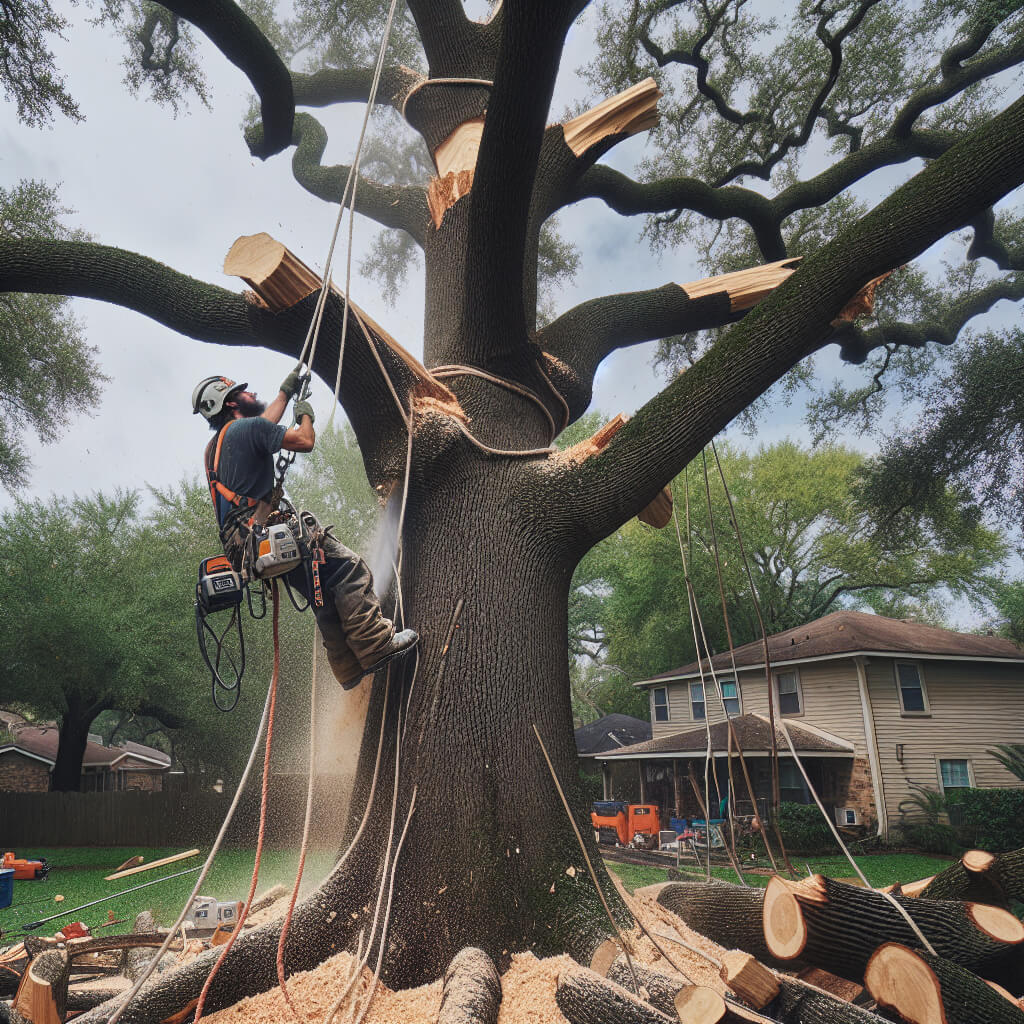
In my 17 years as an ISA Certified Arborist, I’ve responded to more than 3,000 storm calls—everything from oaks crushed by Hurricane Harvey to iced-over branches during the Uri freeze. I’ve seen what happens when homeowners try to handle emergencies on their own, and I can tell you—it’s rarely pretty. In this post, I’ll walk you through what to do when severe weather brings a tree down, how to stay safe, and how to make smart decisions that save both money and headaches.
What “Emergency Tree Removal” Really Means
When a tree falls on your home, blocks your driveway, threatens power lines, or leans dangerously after a storm, that’s an emergency. Anything that poses an immediate safety or property risk qualifies. You can’t wait a few days for that kind of job—especially in our unpredictable Gulf Coast weather, where another storm could roll in tomorrow.
During Hurricane Beryl, I spent three days clearing broken limbs off homes in Katy and the Heights. The biggest challenge wasn’t removing trees—it was doing it safely with downed power lines and soaked clay soil making our footing unstable. That’s why trained crews with proper equipment (ropes, cranes, and insulated tools) are absolutely necessary for these jobs.
First Steps When a Tree Falls
The moment a tree falls, adrenaline kicks in—and that’s when most people make dangerous mistakes. Here’s what I tell homeowners to do right away:
- Stay clear of the area. A tree that looks stable might still shift or roll. I’ve seen a trunk move three feet after we thought it had settled.
- Check for downed power lines. If you see sparks or wires entangled, call CenterPoint Energy before anyone goes near the tree.
- Document the damage. Take pictures for your insurance claim. I’ve had countless clients forget this part in the chaos.
- Call a certified arborist immediately. Fast response matters. Most reputable crews offer 24/7 emergency tree removal services across Houston.
Why DIY Tree Removal is Dangerous
I get it—after a storm, you might be tempted to grab a chainsaw and “handle it.” Please don’t. I’ve seen homeowners in Cypress and Sugar Land end up with serious injuries trying to cut hanging limbs. Wet wood, hidden tension, and tangled branches can act like loaded springs. One wrong cut and a branch can snap back with terrifying force.
Even if you’ve used a chainsaw before, storm-damaged trees behave differently. A professional crew will assess tension points, secure lifting lines, and use wedges to prevent rolling or kickback. And we always check for structural weaknesses before making a single cut. It’s not worth gambling your safety—or your roof.
Choosing the Right Emergency Tree Service in Houston
When you’re standing in your yard at midnight with a tree across your fence, you don’t have time to shop around. But you still need to choose carefully. Sadly, after every big storm, Houston gets flooded not just with rain—but with unlicensed “tree guys” offering quick removals for cash.
Here’s what I’d look for:
- ISA Certification: It means the arborist follows industry standards and safety protocols.
- Proof of insurance: Never let anyone cut a tree on your property without liability and workers’ comp coverage.
- Written estimate: A reputable company will provide a clear scope of work, even in emergencies.
- Local references: Avoid crews who can’t name a single storm they’ve worked through here in Houston.
Typical Houston Emergency Tree Removal Costs
Prices for tree removal vary widely depending on size, danger level, and location. In general, homeowners in the Houston area can expect:
- Small trees (under 20 feet): $300–$700
- Medium trees (25–40 feet): $800–$1,800
- Large trees or hazardous removals (50+ feet, near homes or wires): $2,000–$5,000+
For example, a pine that fell cleanly in a front yard in Katy might cost $750 to clear. But a 60-foot oak leaning against a roof in West University during Harvey? That was a $4,200 crane removal. The difference lies in access, size, and risk.
How to Prevent Future Emergencies
You can’t control Houston’s weather, but you can absolutely reduce your risk. Here are my go-to tips for preventing the next storm from wreaking havoc:
- Schedule annual inspections. I recommend a certified arborist walk your property once a year, ideally before hurricane season.
- Prune properly. Regular tree trimming helps reduce canopy weight and prevents limbs from catching the wind like sails.
- Watch your soil. Houston’s clay expands and contracts, which can loosen root systems. I’ve seen perfectly healthy live oaks start leaning after months of drought followed by heavy rain.
- Remove weak or dead trees early. A proactive tree removal costs far less than an emergency one.
Last year, I worked with a homeowner in Sugar Land who had a sick Bradford pear. It looked fine on the outside but was rotted inside. After I did an assessment, we decided to take it down before hurricane season. Two weeks later, similar pears on her street snapped during a big windstorm. That’s what a good inspection can prevent.
Insurance and City Requirements
Many homeowners don’t realize their insurance only covers emergency removals if the tree damages a structure or blocks access. If it falls harmlessly in the yard, removal might be out of pocket. I always tell clients—check your policy now, not after a storm. And if your home is inside city limits or under an HOA, certain tree ordinances might apply. In places like Bellaire or West University, you often need permits for specific species. A licensed arborist can navigate those rules for you.
FAQ
How soon should I call for emergency tree removal in Houston?
Immediately. Houston weather changes quickly, and unstable trees can shift or fall again. Licensed crews like ours respond 24/7, especially during hurricane season.
Can insurance cover my emergency tree removal?
Usually, yes—if the tree damages your home, fence, or blocks a driveway. Each policy has its own rules, so take pictures and contact your provider right away. I also help clients document and communicate with adjusters.
How can I tell if my tree might fall before a storm?
Look for cracks in the trunk, mushrooms near the base, or leaning after heavy rains. Any of those signs mean it’s time for a professional inspection before hurricane season arrives.
What’s the safest way to handle a partially fallen tree?
Don’t touch it. Even small limbs can be under extreme pressure. Call a certified arborist who has the rigging gear to secure and safely remove it.
Do I need a permit for tree removal in Houston?
In most areas, you don’t need one for emergency removals. But in specific neighborhoods or under certain HOAs, you might. Always confirm before the work begins.
Conclusion
I’ve seen firsthand how fast Houston’s weather can turn a tree from an asset into a hazard. The best way to protect your home is through quick action, proper assessment, and preventive care. Whether a tree’s already fallen or you just have a bad feeling about one leaning too close to your roof, call for a professional evaluation. Trust me—handling it early always beats handling it with floodlights and a chainsaw at midnight.