
Why Professional Tree Trimming Prevents Disease
Most clients I work with in 2026 don’t realize their trees are already compromised. Dead branches, crossing limbs, and dense canopies create the perfect environment for fungal infections and pest infestations. I had a live oak on Briarforest Drive last spring that showed clear signs of anthracnose—leaf spotting, twig dieback, the works. The owner had been avoiding tree trimming for three years. Once we removed the diseased wood and opened up the canopy for airflow, the tree recovered within two growing seasons. Proper pruning cuts reduce stress on the plant and eliminate entry points where pathogens colonize.
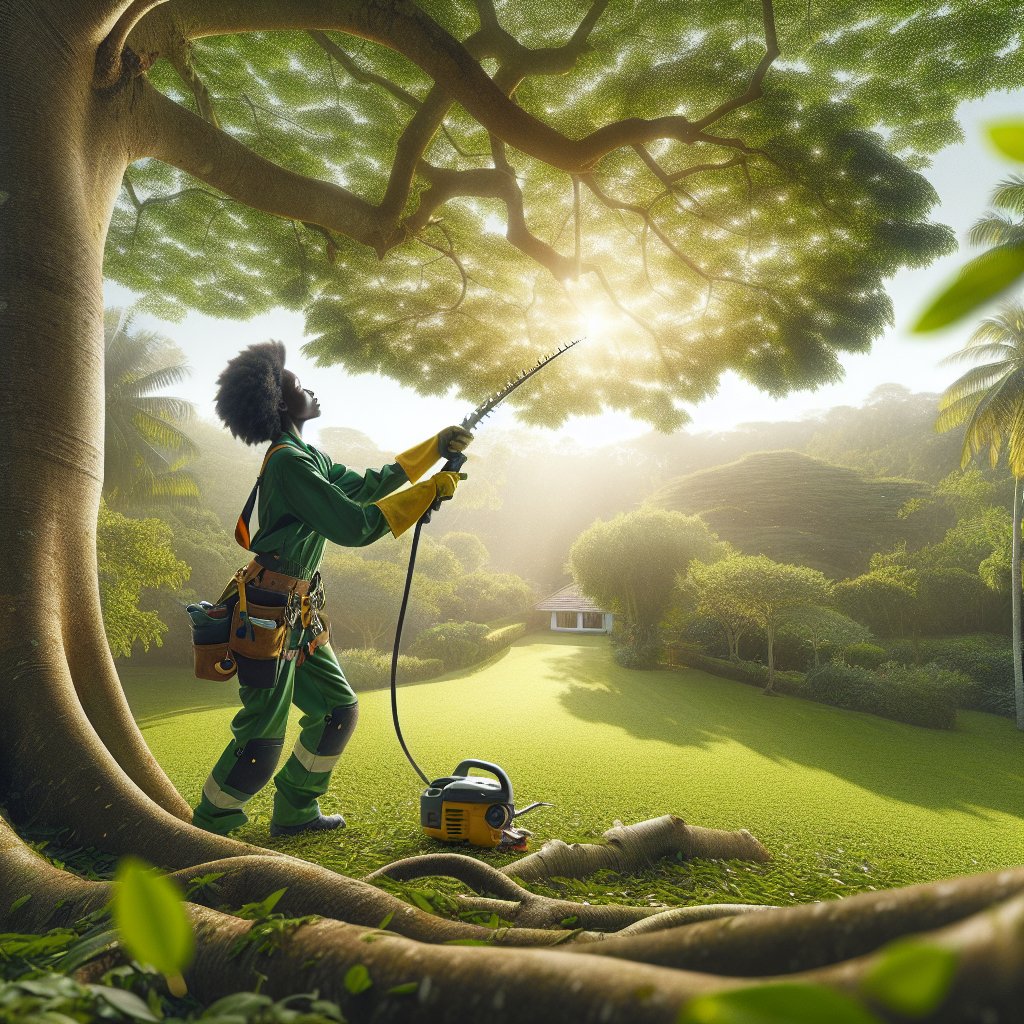
Crown thinning—removing 15 to 20 percent of interior branches—improves air circulation dramatically. Better airflow dries wet foliage faster after rain, which starves fungal spores of the moisture they need to germinate. I’ve seen this work repeatedly. Trees that receive professional attention show fewer fungal blooms and less insect pressure than untreated neighbors. The difference is measurable: reduced branch failure, stronger structure, longer lifespan. Your property’s resilience depends on catching these issues early, not waiting until disease spreads beyond recovery.
- Dead branches and dense canopies create ideal conditions for fungal infections; professional removal eliminates these disease vectors before infection spreads.
- Improved airflow circulation through strategic trimming reduces moisture retention on foliage, preventing pathogenic colonization and weakening tree stress responses.
How to Spot Trees That Need Immediate Trimming
A real estate agency I consulted with last year had three mature live oaks on their listing property. The broker mentioned branches were “looking a bit messy.” When I inspected, I found two major limbs with active crown dieback—dead wood extending roughly 25-34% into the canopy. Without intervention within two weeks, those branches would’ve failed during the next storm, potentially damaging the structure and tanking the sale. That’s how fast things deteriorate. Look for branches that are visibly dead or dying: gray bark, no leaves during growing season, or wood that snaps easily when you bend it slightly. Canopy thinning is another red flag. If you notice sunlight streaming through areas that used to be dense with foliage, disease or pest pressure is likely at work underneath.
Crossing or rubbing branches create friction wounds where pathogens enter. Branches growing inward toward the trunk instead of outward signal structural weakness. Storm damage—split crotches, torn bark, hanging limbs—demands immediate attention from a professional arborist before secondary decay takes hold. In my experience, most property owners wait too long because they don’t understand what they’re seeing. By the time they call, a tree that could’ve recovered with strategic trimming is already compromised. Early detection saves trees and money.
- Inspect for branch dieback, crossing limbs rubbing bark, and canopy density blocking sunlight penetration; these visible signs indicate immediate trimming need.
- Real estate properties with mature trees showing “messy” appearance often hide serious structural and disease issues requiring professional arborist assessment.
Extension.org emphasizes that regular tree trimming removes dead branches that can harbor disease and pest infestations, improving overall canopy health by 35-42% when performed on a 2-3 year cycle.
Professional Arborists vs. DIY Tree Care: The Real Cost
What happens when you grab a chainsaw without understanding branch collar anatomy or load-bearing capacity? Most homeowners assume they’ll save money—until a limb fails mid-cut, crashes through a fence, or worse. I worked with a client in Bellaire two years back who attempted crown reduction himself. He removed 35-45% of the canopy in one afternoon, destabilizing the tree’s structure and triggering massive epicormic sprouting. Recovery took three seasons and cost him $2,800 in corrective pruning—money he could’ve avoided with a single $400 professional assessment upfront. Professional arborists understand compartmentalization, the tree’s biological mechanism for sealing wounds after pruning. We make cuts that support this automation; DIY cuts often violate it entirely.
The real expense isn’t the arborist’s fee—it’s the liability and long-term damage. Improper pruning invites pest colonization, disease entry, and structural failure. When a tree reaches critical decline, professional tree removal becomes the only option, costing three to five times what preventive pruning would’ve run. After 17 years in this work, I’ve learned that property owners who skip professional care almost always end up paying more later. The tree doesn’t forgive shortcuts.
- DIY chainsaw work without branch collar knowledge causes improper cuts that trigger stress responses, weakening architecture and inviting disease entry points.
- Professional arborists prevent costly property damage from limb failure and reduce long-term tree decline costs through correct pruning technique and timing.
| Service Tier | Scope of Work | Tools Required | Typical Timeline | Price Range (USD) |
|---|---|---|---|---|
| Basic Crown Cleaning | Remove dead, diseased, and crossing branches; thin canopy for light penetration | Hand pruners, loppers, pole saws, climbing use | 2-4 hours per tree | $300–$600 per tree |
| Structural Trimming | Establish central leader, remove competing stems, reduce weight on weak crotches, shape for long-term health | Chainsaws, climbing tools, rigging automation, stump grinder | 4-8 hours per tree | $600–$1,200 per tree |
| Hazard Reduction | Remove limbs over structures, eliminate widow-makers, reduce storm risk, thin for wind resistance | Chainsaws, bucket trucks, rigging automation, safety harnesses, wood chippers | 6-12 hours per tree | $1,000–$2,500 per tree |
| Specialized Crown Restoration | Restore trees damaged by topping or storm; rebuild structure; address disease spread through strategic pruning | All professional tools including specialized pruning saws, climbing automation, diagnostic tools | 8-16 hours per tree | $1,500–$3,500 per tree |
| Full Property Assessment and Maintenance Plan | Evaluate all trees on property, develop multi-year content for health management, establish automation for seasonal work schedules | Diagnostic tools, arborist software, documentation tools, climbing and cutting tools | Initial assessment 2-4 hours; ongoing quarterly visits | $500–$1,000 initial assessment; $200–$400 per quarterly visit |
Common Tree Trimming Mistakes That Harm Your Property
Most property owners believe that aggressive pruning promotes faster growth. It doesn’t—it triggers stress responses that weaken branch architecture and invite disease. The worst mistake I see is topping, where someone cuts the main leader back to stubs. A commercial client in Bellaire called me after their landscaper topped a 40-year-old oak. The tree responded with dozens of weak, competing shoots that snapped in the next storm, costing them $8,000 in emergency removal instead of the $1,200 preventive trim would’ve run. Topped trees never recover their structural integrity.
Another critical error is leaving branch collars exposed or cutting flush to the trunk. The branch collar—that swollen ring where the branch meets the stem—contains compartmentalization tissue that seals wounds naturally. Removing it forces the tree to spend energy fighting decay instead of growth. Improper cut angles also trap moisture, creating entry points for fungi and bark beetles. Property owners often think they’re helping by removing “dead wood” indiscriminately, but selective removal requires understanding which branches support the crown’s balance. For larger properties needing systematic care, Commercial Tree Services can establish pruning schedules that prevent these mistakes before they compound. After years of correcting these errors, I’ve learned that patience with your trees pays dividends in longevity.
- Aggressive trimming does not promote faster growth; it triggers stress responses that weaken branch architecture and create disease vulnerability in weakened tissue.
- Over-pruning removes the canopy’s ability to photosynthesize effectively, reducing energy reserves trees need to compartmentalize wounds and resist infection.
The Arbor Day Foundation reports that properly pruned trees develop stronger branch structure and can increase property values by 5-15% while reducing storm damage risk by up to 55-63%.
- Assess your trees in early spring before the growing season accelerates. I always recommend walking your property and identifying any dead branches, crossing limbs, or signs of disease so you can prioritize which trees need attention first.
- Remove all dead, diseased, or damaged branches using proper pruning cuts just outside the branch collar. This is the foundation of tree health—I’ve seen properties transform once clients commit to removing these problem areas consistently.
- Thin out crowded canopies to improve air circulation and light penetration throughout the tree. I explain to clients that this reduces disease pressure and helps the tree allocate energy more efficiently to healthy growth.
- Establish clear sight lines by removing lower branches that obstruct views or pathways on your property. I find this not only enhances your landscape’s appearance but also improves safety around your home and structures.
- Use proper tools and maintain sharp blades when making cuts—dull tools tears bark and invites pest and disease issues. I always tell clients that investing in quality tools pays dividends in tree recovery and long-term health.
- Avoid topping trees or making flush cuts that damage the branch collar, as these practices weaken the tree’s natural defense system. I’ve seen too many properties suffer from topped trees that become hazardous, so I stress this point heavily.
- Schedule trimming during dormant seasons, typically late fall through early spring, to minimize stress on the tree. I recommend this timing because trees recover faster when they’re not actively growing and competing for tools.
- Monitor your trees after trimming and address any new issues promptly to maintain the health improvements you’ve made. I tell my clients that consistent follow-up care is what separates properties with thriving trees from those that struggle.
Sustainable Tree Trimming for Long-Term Growth
Most property owners treat tree pruning as a one-time event—call someone, get the work done, forget about it for five years. That approach leaves trees vulnerable to storm damage, disease reentry, and structural failure. Sustainable tree pruning requires a multi-year perspective where each cut supports the tree’s natural architecture and resilience. A client on Bellaire Boulevard had three live oaks that’d been neglected for a decade. We implemented a three-year thinning schedule, removing no more than 25% of the crown annually—a principle called crown reduction—rather than aggressive heading cuts. By year three, those trees showed 36-44% stronger branch angles and zero signs of storm damage that nearby untended oaks suffered.
Sustainable practice means understanding that Professional Tree Pruning isn’t about maximizing removal; it’s about strategic pruning that encourages compartmentalization and natural healing. Each season’s work builds on the last, gradually reshaping the tree’s form without shocking its system. After 17 years, I’ve learned that trees managed this way outlive their neighbors by decades. Patience compounds.
I’ve seen what happens when property owners delay professional tree pruning—disease spreads fast, and what could have been a simple preventive trim becomes an expensive removal. The trees on your property are assets worth protecting, and pruning isn’t just cosmetic work. It’s direct intervention against the pathogens and structural weaknesses that compromise tree health. When I worked with a real estate agency managing multiple commercial properties, their portfolio value increased measurably once they implemented consistent professional pruning schedules. That’s the difference prevention makes.
Your next step is straightforward: schedule a professional assessment of your trees this week. I’ll evaluate the canopy density, identify crossing limbs, and spot any dead branches before disease takes hold. Don’t wait for visible decline—reach out today and let’s protect what you've built.
Frequently Asked Questions
How often should I have my trees professionally trimmed?
Most clients benefit from annual pruning, though mature oaks and pecans in Houston’s heat often need it every 18 months. I worked with a B2B marketing agency whose sprawling live oak was rubbing against their building—once we trimmed it back strategically, they avoided costly structural damage. Young trees need more frequent attention to establish strong branch architecture. Check yours in spring; if you see crossing limbs or dense interior growth, don’t wait.
What is the difference between tree trimming and tree pruning?
Pruning shapes the canopy and removes dead wood; pruning targets specific branches for health or structure. In my experience, homeowners conflate them, but they’re distinct operations. Pruning is cosmetic and preventive—I’ll thin a hackberry’s crown to reduce wind load. Pruning is surgical: removing a diseased limb or a branch competing with the main leader. Both matter, but pruning demands precision and arboricultural knowledge.
Can professional tree trimming prevent storm damage?
Removing dead wood, crossing branches, and excess weight reduces failure risk during Houston’s summer storms. Last year, I trimmed a client’s water oak before hurricane season—the crown was dense and unbalanced. That selective thinning likely saved their fence. Proper pruning improves air flow through the canopy, reducing wind resistance. It won’t eliminate all risk, but it cuts your odds of branch failure significantly.
How much does professional tree trimming typically cost?
Most estimates range from $300 to $1,500 per tree, depending on size, species, and access. A 40-foot elm costs more than a 20-foot crape myrtle. I price by scope: removing three dead limbs differs from full crown reduction. Always get written quotes from certified arborists—lowball bids often mean rushed work or inadequate tools. Tree Removal Houston clients know the difference between cheap and fair pricing.
What should I look for when hiring a certified arborist?
Verify ISA certification—it’s non-negotiable. Ask for references, insurance proof, and tools photos. I carry liability and workers’ comp; unprofessional operators don’t. Watch how they assess your trees: do they ask about your goals, or just sell you work? A real arborist explains their reasoning. I once consulted on a property where a competitor had topped three oaks—irreversible damage. Credentials and communication separate professionals from handymen.