
<!–meta: Learn how emergency tree removal in Houston protects homes after storm damage and what to expect when you call a certified arborist.–>
Introduction
Last summer, right after Hurricane Beryl ripped through the Heights and Memorial areas, my phone didn’t stop ringing for days. I remember one call from a homeowner in Katy — their hundred-year-old live oak had come down across the driveway, blocking both cars in the garage. They were panicked, and I get it. When a tree’s down after a storm, it’s more than just a mess — it’s a safety hazard waiting to get worse.
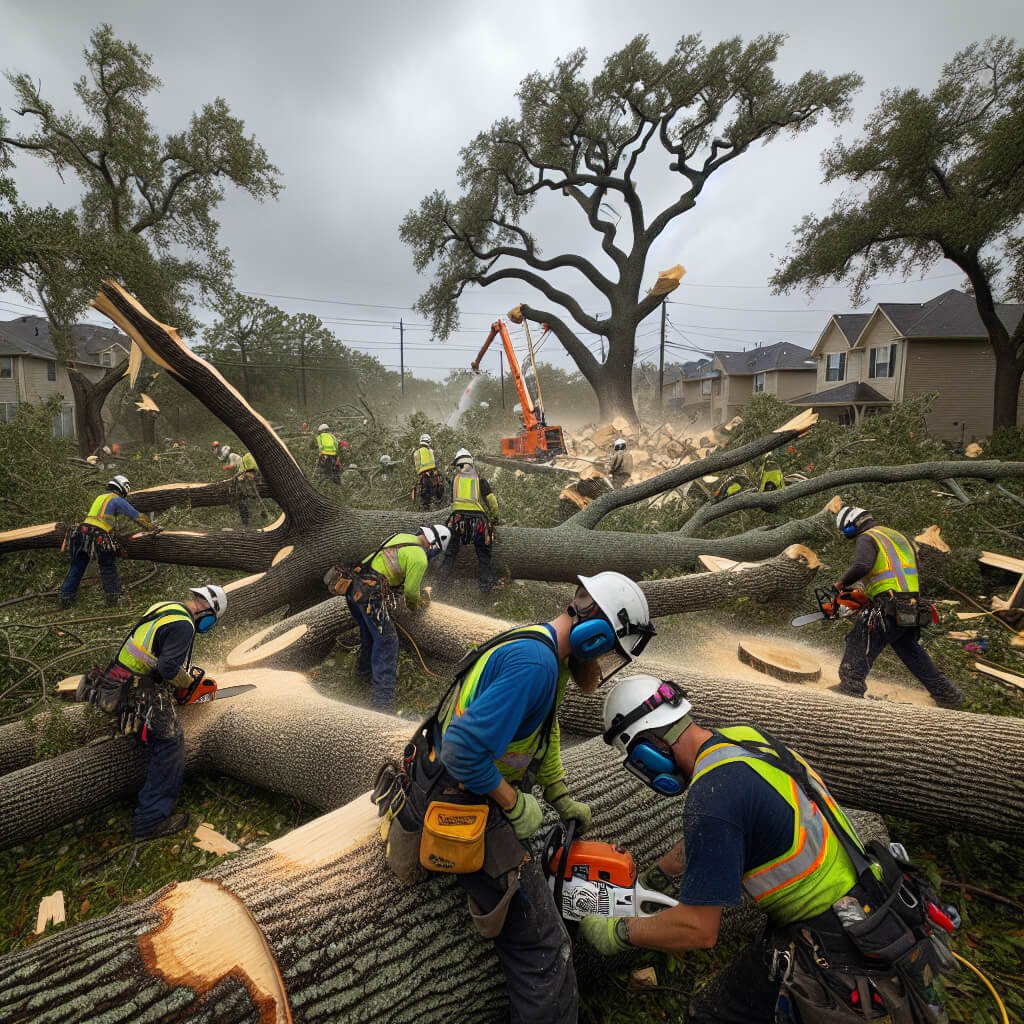
I’ve been handling emergency tree removal in Houston for 17 years now, and I’ve seen everything from massive pine trees on rooftops in Woodlands to uprooted oaks tearing through fences in Sugar Land. Every storm leaves its own kind of chaos. But the way you respond in those first hours can make all the difference between saving your property or compounding the damage.
In this guide, I’ll walk you through what really happens during an emergency removal, what to expect cost-wise, how to handle insurance, and when to call for help versus when it’s safe to wait. Let’s break it down step by step so you can make confident, informed decisions next time Houston’s weather turns ugly.
How Emergency Tree Removal Works After a Houston Storm
When the wind dies down and the rain stops, most homeowners just see a big fallen tree and feel helpless. What they don’t realize is that how that tree is removed matters — a lot. Every job starts with a safety assessment.
First, I check for electrical hazards. After Hurricane Harvey, I saw too many people try to move limbs tangled in live power lines. That’s a death trap. We always coordinate with CenterPoint Energy if lines are involved before touching anything.
Next, I look at structure damage. If the tree’s on your roof — like a case I handled in Bellaire where a pine speared through the attic — we bring in a crane and coordinate with your roofer or insurance adjuster. The goal is controlled removal, not ripping out half the structure while lifting limbs.
Once it’s safe, we clear major branches, cut the trunk in sections, and use rigging equipment or cranes to lower pieces safely. Debris removal can take hours, especially with multiple large trees. Then comes stump removal. If needed, we handle that with stump grinding after emergency cleanup is done.
What Homeowners Should Do Right After the Storm
Here’s a rule I tell everyone: before you do anything, take photos. Lots of them. Document the damage before any cleanup begins. Your insurance company will want proof. After that, make the area safe. Keep kids and pets away, especially if limbs are hanging or you suspect power line involvement.
If you need emergency tarping or roof protection, call your roofer ASAP — we often coordinate so your property stays watertight while we remove debris. Then, contact a licensed arborist with actual storm experience. Not every tree company is equipped for emergency response. You’d be surprised how often I find unlicensed crews working dangerously after big storms. Always check credentials and insurance before you sign anything.
What Affects the Cost of Emergency Tree Removal in Houston
Houston prices vary widely, mostly based on size, access, and danger level. For example, a simple 20-foot palm that fell across a yard in Sugar Land recently ran about $600. But a huge oak lying on a two-story roof in Memorial can cost $3,000 or more because of crane and crew requirements.
Generally speaking, most tree removal jobs after storms fall between $800 and $2,500 in Houston. Storm work costs more than routine removals because crews often work overtime and under hazardous conditions — wet ground, unstable trees, and limited access.
Insurance often covers part or all of it if the tree caused structural damage or blocked access to your home. But if it just fell in your yard without damaging anything, that’s usually on you. Always check your policy before filing a claim; I’ve seen homeowners raise premiums unnecessarily for small, uncovered damages.
Common Houston Tree Failures During Storms
We see patterns here in Houston based on species and soil. Live oaks are tough but tend to uproot when the ground saturates — especially in our clay-heavy soil. Pines, on the other hand, snap mid-trunk in strong winds. Bradford pears? They’re notorious for splitting right down the middle, even in mild gusts.
During the 2021 freeze, I saw hundreds of water oaks suffer hidden cracks that didn’t show up until the next hurricane season. Many of those trees eventually failed months later. That’s why routine tree trimming and structural inspections matter year-round — especially before hurricane season hits in June.
When to Call for Emergency Tree Removal vs. When to Wait
If a tree is leaning dangerously toward your home, blocking your driveway, or tangled in power lines, that’s a same-day emergency. Don’t wait. We’ve seen cases where a partially uprooted oak looked stable at first, only to collapse days later after heavy rain.
However, if the tree’s down harmlessly in the yard and no structures are affected, it’s often safe to wait a day or two for regular scheduling, which can save you a good bit of money. Just keep an eye on any surrounding trees — storm-weakened ones can give out unexpectedly.
Preventing Future Storm Damage
Preventive work is huge in Houston. Most of the real disasters I’ve handled — like the big oak that tore through a garage in Tanglewood during Harvey — could’ve been avoided with strategic pruning and root inspection. Trees with balanced canopies and strong branch unions withstand high winds much better.
Schedule an annual inspection before hurricane season. An ISA Certified Arborist like me can identify soil lifting, cracking, or stress fractures you might not see from the ground. In many cases, tactical tree pruning and cabling can extend a tree’s life and prevent future emergencies altogether.
FAQ: Emergency Tree Removal in Houston
How fast can a tree be removed after a Houston storm?
In most cases, we can respond within a few hours, especially if the tree has hit a home or blocked access. After citywide events like hurricanes, response can take longer, but licensed crews prioritize safety hazards first.
Does homeowner’s insurance cover emergency tree removal?
Usually yes, but only if the tree caused damage to a covered structure or blocked your driveway. Fallen trees with no property damage generally aren’t covered. Always document everything and call your insurance agent before starting cleanup.
What should I do until professionals arrive?
Stay clear of the area, especially if power lines are nearby. Take photos, contact utility companies if needed, and don’t try cutting or moving large sections yourself. Safety first — trees under tension can release suddenly and cause injuries.
Are permits required for emergency removal in Houston?
City of Houston generally allows emergency tree removals for safety reasons, but documentation is important. If the property is within an HOA neighborhood, you’ll likely need proof after the fact for HOA compliance.
Conclusion
Emergency tree removal in Houston isn’t just about cutting and hauling. It’s about safety, precision, and quick decisions made under pressure. Whether it’s a massive live oak leaning on your roof or a pine tangled in power lines, you want a certified, insured crew that knows Houston’s conditions inside and out. Preparation is key — schedule that inspection before hurricane season, trim regularly, and always keep your arborist’s number handy. When the next storm hits, you’ll be ready.