
<!–meta: Houston arborist shares essential emergency tree removal tips to help homeowners stay safe and avoid damage after major storms.–>
Introduction
Last month, right after that big storm rolled through Memorial and parts of the Heights, my phone rang non-stop for three straight days. One of the first calls came from a homeowner in Katy—a 40-foot pine had collapsed across their driveway, blocking both cars in. I got there around midnight with my crew, rain still coming down, chainsaws steaming in the humidity. It’s moments like that when experience really matters. You’ve gotta make quick, safe decisions—and that’s what I want to talk about here: what Houston homeowners should know when emergency tree removal becomes necessary.
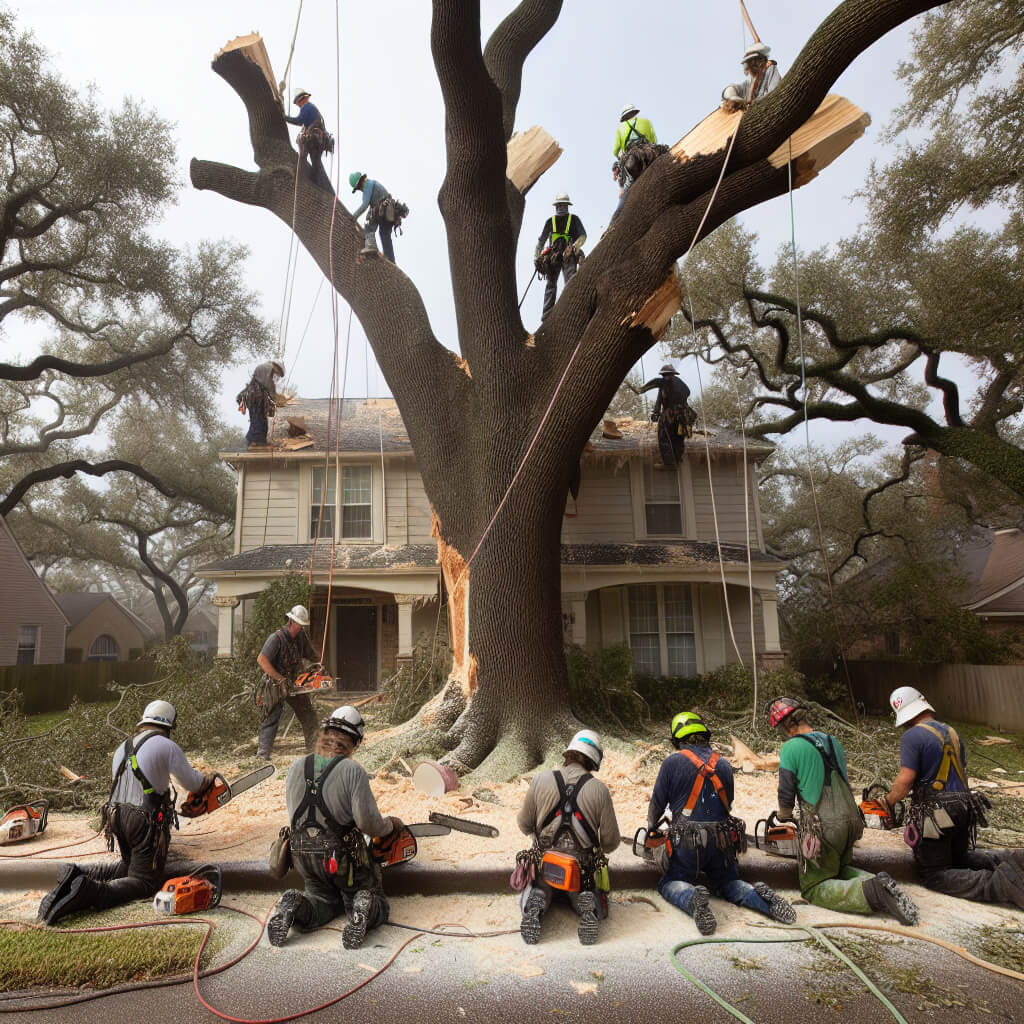
When severe weather strikes—whether it’s hurricane-force winds, soaked clay soil, or unexpected downbursts—trees come down fast. And what happens next can make a world of difference. I’ve seen homeowners try to handle it themselves, only to end up with property damage or worse injuries. So in this article, I’ll walk you through what I’ve learned after 17 years of responding to over 3,000 tree emergencies across the Greater Houston area—from Hurricane Harvey to Winter Storm Uri—and share how to stay safe, protect your property, and make smart calls when disaster hits your yard.
First Steps After a Tree Falls
If a tree has fallen on your property, the first rule is simple: don’t rush in. I know it’s tempting to grab a chainsaw and start cutting, especially when you need access to your driveway or house, but fallen trees often carry hidden dangers. Tensioned limbs, hanging branches, or buried utility lines can turn a quick fix into a serious accident.
The first thing I always tell homeowners: check from a distance. Look for hanging power lines, leaning trunks, or limbs caught in roofs. If power lines are involved, call CenterPoint Energy immediately—don’t touch anything. Next, take photos for your insurance claim. Only once the area is confirmed safe should a licensed professional evaluate how to remove the tree.
Back during Hurricane Harvey, I helped a family in Sugar Land whose 65-foot live oak split right through their master bedroom wall. They’d already called their insurance company but didn’t realize they needed a documented arborist report. That documentation helped them recover costs for structural damage and removal fees. Always get photos, reports, and estimates—it makes the whole recovery smoother.
How Professionals Handle Emergency Tree Removal
Emergency jobs aren’t like standard tree removal work. You’re dealing with unstable trees, tight spaces, and usually wet or dark conditions. The process starts with what we call a “risk assessment.” That’s where we identify the tree’s lean, weight distribution, and hazards around it. Sometimes the tree needs to be sectioned down from the top using ropes and a bucket truck, other times we can safely fell it from the base after notching. Every site is different.
I’ll never forget a case in the Heights where a massive water oak came down between two homes—literally wedged like a toothpick. We used a series of rigging setups and a 30-ton crane to lift it out in pieces without even scratching the siding. That job took 9 hours, three trucks, and a coordinated crew—proof that these aren’t simple Saturday DIY projects.
Why Timing Matters
In Houston’s climate, heavy rainfall and saturated soil can destabilize even healthy trees. The clay expands and contracts like a sponge. I’ve seen trees look perfectly upright one day, only to tilt dangerously after two days of downpour. Delaying removal in those conditions is risky. Once a root ball lifts, you’re one gust away from the tree coming down.
If your tree starts leaning suddenly, call an emergency storm damage crew right away. Some companies, myself included, offer 24-hour response because timing can be the difference between prevention and disaster.
Cost Factors in Emergency Tree Removal
People always ask me—“What’s this going to cost?” There’s no exact formula, but I can give you some honest local numbers. In most Houston neighborhoods, emergency tree removal will run between $1,200 and $4,500. That wide range depends on several things:
- Tree size and species: A tall pine or live oak requires more equipment than a small hackberry.
- Accessibility: Tight side yards, fences, or pools increase labor and crane costs.
- Power lines or structures: Any risky setup requires extra safety rigging.
- Debris haul-off: Disposal fees at Houston-area recycling centers have gone up lately.
To put it in perspective, a pine tree blocking a driveway in Memorial might cost around $800–$1,000 to clear if it’s simple access. But that same job over a roof, requiring a bucket truck, easily climbs past $3,000. It’s all about safety and logistics.
What Houston Homeowners Can Do Before the Pros Arrive
After calling an arborist, there are a few things you can safely do while waiting:
- Move vehicles and valuables away from leaning trees if it’s safe.
- Clear small, light debris (not branches under tension) to prevent more blockages.
- Turn off outdoor power if a tree fell near electric fixtures.
- Keep pets and people away from the area.
And don’t let anyone pressure you into cleanup before an assessment. After Hurricane Beryl, I saw a neighbor try to cut a pine that was leaning across their fence line. It rolled unexpectedly and took down the entire fence. Patience and safety always pay off.
Preventing the Next Emergency
The best emergency tree removal is the one you never have to call for. Regular tree trimming and risk assessments can identify weak limbs, bad crotch angles, or internal decay before a storm does. I’d say 70% of the storm-damaged trees I’ve removed in Houston had visible warning signs months earlier—cracks, bending, dense crowns, or exposed roots.
I inspect properties across Pearland, Cypress, and Sugar Land every spring and fall. A simple pruning session or cabling installation often prevents full removals. Think of it like changing your car’s oil—it’s cheaper and safer to maintain than to fix after failure.
FAQ: Emergency Tree Removal in Houston
How fast can a crew respond to emergency tree removal in Houston?
During major storms, skilled crews (like ours) aim for same-day or next-day service. But response time depends on demand. Calling early and providing photos helps us prioritize based on your specific safety risks.
Does homeowners insurance cover emergency tree removal?
Usually, yes—if the tree damaged your home, fence, or driveway. But not always for just “yard cleanup.” Always check your policy, and get a licensed arborist’s written assessment with photos for your claim.
Can I remove part of the tree myself before the pros arrive?
If it’s small debris or branches lying flat on the ground, sure. But never cut under tension or near a structure—that’s how accidents happen. Call professionals equipped with ropes and rigging gear for anything large or unstable.
What are the signs that a tree might fail during a storm?
Look for cracks or splits in the trunk, new leans, root heaving, and dead branches. If your Houston clay soil stays soggy for days after rain, watch for shifting roots or soil cracking near the base—that’s a big warning sign.
How do I choose the right emergency tree service?
Pick a company that’s licensed and insured, with ISA-certified arborists. Ask how many storm-response jobs they’ve handled. Experience matters—especially around structures and power lines. Never hire someone who just “shows up” after a storm with a chainsaw.
Conclusion
Emergency tree removal in Houston can be stressful, especially when the damage happens overnight or during storms. But you’re not alone—experienced arborists like me are trained to respond quickly and safely. If you spot a tree starting to lean or lose branches after heavy rain, don’t wait for the next storm to finish the job. Get a professional assessment early, protect your home, and sleep a little easier knowing your yard’s in good shape for whatever Houston weather throws at it next.