
<!–meta: Learn from a Houston ISA Certified Arborist about emergency tree removal for homeowners and HOAs after storms, including safety, pricing, and response tips.–>
Introduction
Last summer, right after a powerful thunderstorm rolled through the Memorial area, I got a call from a homeowner whose massive pine tree had crashed across their driveway, blocking their car inside the garage. They told me the tree had looked “a little tilted” for months, but they didn’t think much of it. That same week, I handled five similar calls from different parts of Houston—from The Heights to Sugar Land—where trees had split, uprooted, or snapped after soaking rains and gusty winds. Happens every year once hurricane season gets going.
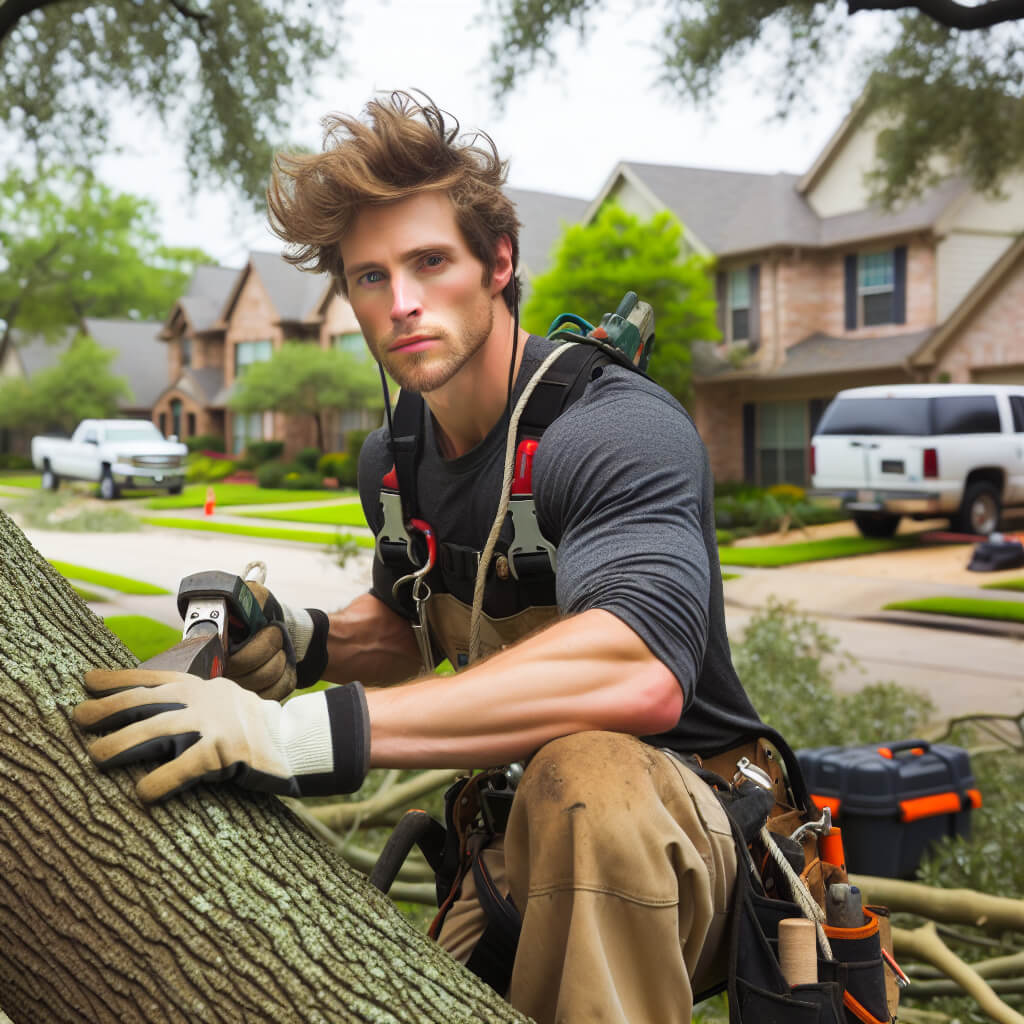
In this guide, I’ll walk you through what Houston homeowners and HOA managers should know about emergency tree removal. We’ll talk about what counts as an emergency, how to handle dangerous trees safely, what removal typically costs in Houston, and a few real stories from my years in the field. Whether you’re dealing with a storm-blown pine in Katy or an old live oak leaning dangerously over your property in Bellaire, these steps can save you a lot of stress—and money.
What Counts as an Emergency Tree Removal?
Not every fallen branch or tilted tree is an emergency. I usually tell homeowners to ask themselves one simple question: is the tree an immediate danger to people, property, or access? If yes, you’re in emergency territory.
Here are a few clear examples I’ve seen across Houston:
- Storm-fallen trees on roofs or driveways: After Hurricane Harvey, I removed a 70-foot water oak that had crushed half of a garage in West University. Power lines were tangled across the branches, so we had to coordinate with CenterPoint Energy before cutting.
- Leaning trees with visible cracks: During Winter Storm Uri, an old pecan in Katy started leaning toward a home after the deep freeze. The split at its base was nearly three inches wide—you could literally stick your hand inside.
- Blocked HOA entrances or common areas: I work with several HOAs in Cinco Ranch and Cypress where fallen pines blocked main roads, forcing emergency clearance so residents could even exit their neighborhood.
What To Do When a Tree Comes Down
First thing? Stay calm and don’t rush in with a chainsaw. Houston trees—especially big pines and oaks—can weigh several tons. When they fall, they might still be under tension, which can make limbs snap or whip unexpectedly.
Here’s what I always recommend:
- Stay clear of the area. Avoid walking near cracked trunks or hanging limbs, especially if power lines are involved.
- Call an emergency tree removal service. Look for a company that’s licensed, insured, and preferably works with a certified arborist. Fast response matters—you don’t want a tree shifting overnight.
- Document the damage. Take a few photos for insurance. Most policies cover tree damage caused by storms or wind.
- Notify your HOA or property manager. If the tree affects shared property or easements, they usually handle coordination.
Emergency Tree Removal Process in Houston
Once I arrive on a call, I start by assessing the scene for hazards. If power lines are involved, we stop everything until CenterPoint or the city utility clears it safe. Then my crew secures the area with cones or caution tape before making any cuts.
We often have to use cranes or bucket trucks in tight spots—especially in neighborhoods like Rice Village or the Heights where access is limited. Houston yards are full of fences, power lines, and small alleyways, so every job’s different. I once removed a 50-foot pine wedged between two garages in Oak Forest using a crane that barely cleared the power line by a foot.
After cutting, we load the debris and can follow up with stump grinding if the homeowner requests it. Most emergency calls are completed within 24 hours, but during storm peaks like Hurricane Beryl, it can take longer simply because of volume.
Typical Houston Pricing for Emergency Tree Removal
Costs can vary a lot depending on the tree type, size, and location. In my experience across Houston, emergency tree removals usually range from $900 to $4,500. Here’s a quick breakdown:
- Small trees (under 25 feet): Around $500–$900 if easily accessible.
- Medium trees (25–50 feet): Usually $1,200–$2,000 for removals involving fences or light obstacles.
- Large trees (50+ feet): $2,500–$4,500+, especially if cranes, power line coordination, or special cleanup is required.
For example, I recently removed a massive live oak in Memorial that had dropped a limb onto a roof during a thunderstorm. Because it was half over a pool, we needed rigging, a mini skid steer for debris, and extra cleanup—it came out to about $3,800. Meanwhile, a simple pine that fell clean across a front yard in Katy cost just $650.
HOA Responsibility and Common Mistakes
HOA managers often have shared responsibility for trees in common areas or along easements. The most common mistake I see is waiting too long to trim or inspect older trees. In Houston’s clay soil, root systems expand and contract as the ground dries and re-saturates, which can cause leaning and cracks over time. That’s why regular tree trimming and inspections are so important.
HOAs should maintain a list of licensed tree services on standby and pre-approve emergency budgets. I’ve worked with communities in Sugar Land where proactive planning saved them tens of thousands in unexpected storm cleanup. If your HOA hasn’t had a tree assessment in a few years, I highly recommend it before hurricane season hits full swing.
Preventing Emergency Tree Situations
Not every disaster is unavoidable. Regular tree care reduces risk dramatically. Here’s what I tell my clients each spring before the storm season:
- Get annual pruning for pines, oaks, and maples to reduce wind load.
- Watch for fungal decay, trunk cracks, and hollow spots.
- Have large trees near structures inspected by a certified arborist.
- Never top trees—it weakens them and leads to more breakages later.
And trust me, I’ve seen what neglect can do. During Hurricane Harvey, I worked on a 60-foot red oak in River Oaks that had been topped years before. Those weak regrowth limbs all snapped in the storm. Preventive care would’ve cost a fraction of the $6,000 emergency cleanup.
FAQ
How fast can someone come out for emergency tree removal in Houston?
Most reputable companies (including mine) offer same-day response for true emergencies. During hurricanes or major storms, response can take 24–48 hours depending on damage volume. Always prioritize safety and wait for professionals—especially if power lines are involved.
Will my insurance cover emergency tree removal?
Usually yes, if the tree fell due to wind, storm, or another covered event. Insurance typically covers removal from structures but not debris cleanup in the yard. Take photos immediately and check with your agent before starting work.
Do I need a permit to remove a fallen tree in Houston?
In most emergency cases, no. The City of Houston allows immediate removal when safety or property damage is involved. However, protected tree ordinances may apply in medians or commercial properties, so it’s worth confirming if the tree sits on public or shared land.
How can HOAs prepare for future storms?
Schedule proactive inspections with an ISA Certified Arborist, maintain a list of emergency contractors, and set funds aside for storm cleanup. Quick coordination saves huge headaches later when multiple homeowners are affected at once.
What’s the difference between emergency and regular tree removal?
emergency jobs require immediate response and usually involve safety hazards, power lines, or blocked access. They cost more due to urgency and after-hours work. Regular tree removal can be scheduled and done more efficiently.
Conclusion
When a tree falls in Houston—especially after one of our wild summer storms—fast, safe action can make the difference between a quick fix and major damage. Whether you’re a homeowner or an HOA board member, partner with an experienced, certified arborist who knows Houston’s trees, soils, and storm challenges inside and out. And don’t wait until the wind’s howling—have your big trees checked now, while it’s still calm. Your property (and your peace of mind) will thank you later.