
<!–meta: Learn when emergency tree removal is essential in Houston to protect your family and property during dangerous tree situations.–>
Introduction
Just a few months back, I got a frantic call from a homeowner in the Heights around midnight. A massive live oak had split right down the trunk and was leaning on their roof after a strong thunderstorm rolled through. I’ve seen all kinds of messy tree situations in my 17 years working across Greater Houston, but when a tree threatens someone’s home or safety, every minute counts. That night, my crew and I were on-site within an hour, cutting carefully in the dark while a light drizzle kept making everything slick. Thankfully, nobody was hurt—but the damage could’ve been much worse if they’d waited until morning.
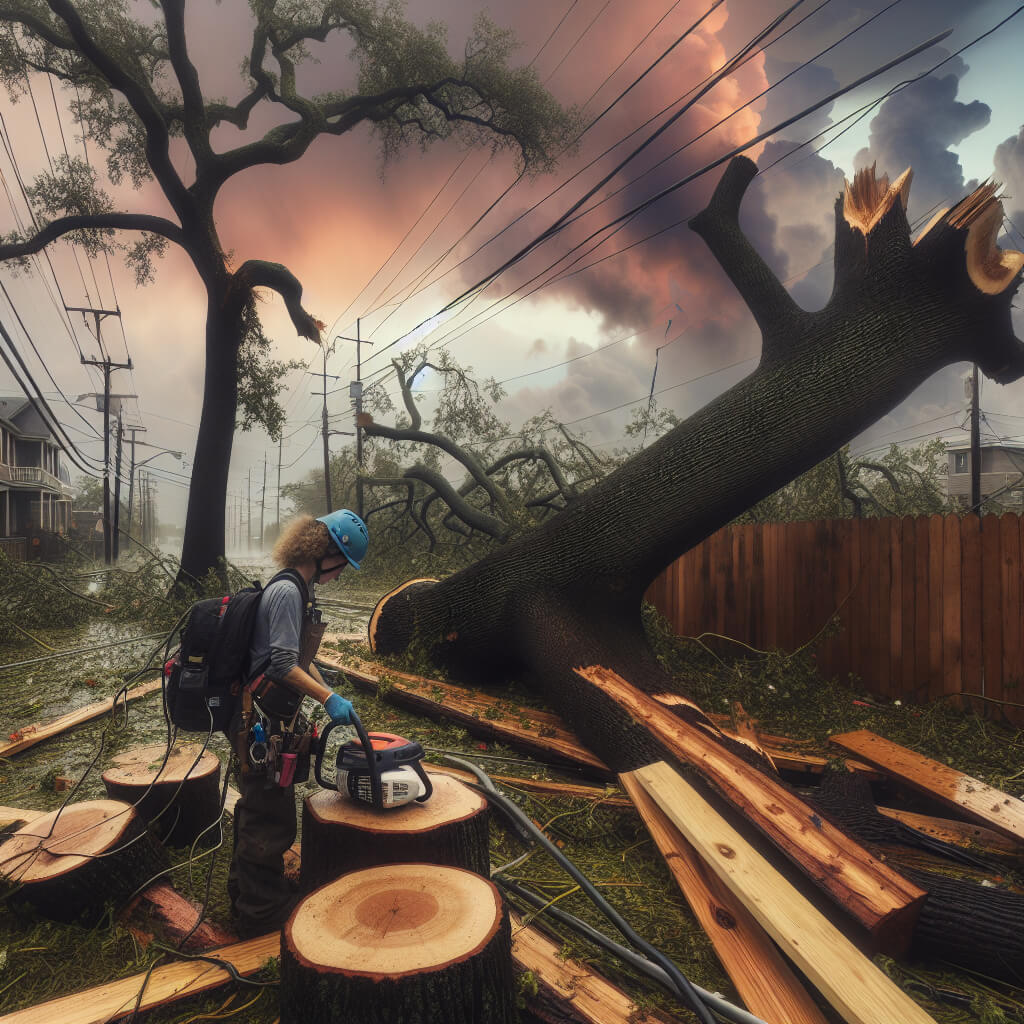
That’s a perfect example of when emergency tree removal isn’t optional—it’s essential. Houston weather can turn unpredictable fast. Between hurricanes, soil shifting from drought and heavy rain, and our clay-based soil, tree stability changes more than most folks realize. In this article, I’ll share when to call for emergency removal, how to tell if your tree’s become a hazard, and what to expect from a professional response.
When Does a Tree Become a Safety Emergency?
I always tell homeowners—it’s not just about whether a tree’s down. It’s about what it’s threatening. If a heavy branch or entire tree is endangering a home, power line, vehicle, or walking area, that’s an emergency. After Hurricane Harvey, I handled dozens of trees that looked fine the day before, then suddenly toppled because the ground had softened.
Some signs you’re dealing with a dangerous tree include:
- Visible leaning that’s new or increasing over time
- Cracked trunks or deep splits where limbs attach
- Uprooted roots—especially after lots of rain
- Broken or hanging limbs over roofs, fences, or driveways
- Tree contact with power lines—always treat this as an emergency
Last summer in Sugar Land, a pine tree fell across two driveways after a sudden burst of wind. The neighbors tried to cut branches themselves, but once they hit the section under tension, it snapped back dangerously. We finished the emergency tree removal job safely using rigging and a controlled dismantle, but it was a reminder that working on storm-damaged trees can be unpredictable.
The Houston Weather Factor
If you’ve lived here long enough, you know how our weather swings can stress trees. Our clay soil expands and contracts as moisture levels change, which causes root instability. During Hurricane Beryl, I saw several massive water oaks shift overnight just from ground saturation. Then, during the dry months, that same soil shrinks, loosening support roots further.
Another big issue is wind loading. When branches grow too heavy or unbalanced, high winds can twist the canopy and cause catastrophic failure. That’s why regular tree trimming before hurricane season is more important here than in most other cities. I’ve removed countless Bradford pears after they split in half during spring storms—those trees are notoriously weak under high wind stress.
What to Expect During an Emergency Tree Removal Service
When I respond to an emergency call, the first step is a quick safety assessment. We identify immediate hazards—like power lines or compromised branches—and stabilize the area. Sometimes that means securing a limb or using ropes and pulleys to control weight before cutting. Safety for people and property comes first, always.
The actual removal method depends on the situation. If the tree’s fallen flat, we can often section it on the ground and remove it within a few hours. But if it’s leaning on a roof, fence, or electrical system, it’s a slower, more surgical process. For example, after Winter Storm Uri, I had a case in Katy where a frozen tree snapped and hung across a family’s garage. We had to use crane assistance to lift it safely without collapsing the structure underneath.
Once the immediate danger is gone, we haul off the debris or schedule stump grinding if the root base remains. Most emergency calls wrap up within a day, though insurance paperwork can take a bit longer depending on the claim.
Emergency Removal Costs in Houston
emergency tree removal pricing depends heavily on urgency, accessibility, and risk. In my experience, most emergency jobs in Houston range from $800 to $3,500. Simple ground removals (like a small pine blocking a driveway) are cheaper. Complex cases—say, a massive oak leaning on a two-story home in Memorial—can cost upwards of $4,000 or more, especially if cranes or overnight crews are involved.
I remember a case in River Oaks where a 70-foot live oak dropped a limb through a tiled roof after heavy rain. It required crane work and traffic control—an expensive job, but it saved the homeowner from far greater structural damage if that limb had fully snapped. The reality is, proactive care like trimming and annual inspections can save thousands in the long run.
Insurance and Emergency Services
A lot of Houston homeowners don’t realize that many insurance policies cover emergency removal if the tree actually hits the structure. But if it’s just leaning or fallen in the yard, it often comes out of pocket. I always advise checking your policy before storm season starts.
Also, avoid letting unverified “storm chasers” knock on your door offering cheap removal right after a hurricane. I’ve seen too many cases where those crews took payment and vanished—or worse, caused more damage. Always look for a licensed, insured company with an ISA Certified Arborist. That certification ensures we follow proper safety and environmental standards.
Preventing Tree Emergencies Before They Start
While my team specializes in fast response, I’ll always prefer prevention over reaction. Regular inspections and tree removal of unstable or diseased trees before hurricane season can save major headaches down the line.
Some things I recommend to Houston homeowners:
- Schedule annual professional tree assessments in spring or early summer
- Keep canopies balanced through selective trimming
- Check roots and soil around your big trees after heavy rain
- Remove decaying or hollow trees before hurricane season
- Call a professional immediately if you hear constant creaking or cracking from a tree near your home
Frequently Asked Questions
How fast can emergency tree removal crews respond in Houston?
Usually within a few hours. During big storm events, we prioritize cases where trees threaten people or property. I’ve worked through the night during hurricanes to clear blocked roads and driveways so families could leave safely.
Is emergency tree removal covered by insurance?
It depends. If a tree damages part of your home or another insured structure, most policies will cover removal and repairs. If it falls harmlessly into the yard, insurance typically doesn’t apply. Always take clear photos and document the situation before cleanup starts.
Can I remove an emergency tree myself?
I’d strongly advise against it. Damaged trees can shift suddenly, and branches under tension can whip back violently. I’ve treated plenty of emergency jobs where a well-meaning homeowner tried cutting and nearly got hurt. Always call a pro with the right equipment and insurance.
What if my tree fell on a neighbor’s property?
In most cases, whichever property the tree falls onto is responsible for removing it through their own insurance. However, if the tree was clearly neglected or diseased, liability can shift. It’s another good reason to keep your trees regularly checked and documented.
What time of year do most emergencies happen?
Hurricane season—June to November—is the big one. But winter storms, drought cracks, or fast-moving thunderstorms in spring can cause emergencies too. Honestly, in Houston, no season is completely “safe.”
Conclusion
Tree emergencies happen fast, and in Houston’s wild weather, they’re more common than you’d think. Whether it’s a toppled pine in Katy or a leaning oak in Memorial, knowing when to call for professional emergency tree removal can prevent injuries and expensive property damage. My best advice? Don’t wait until something’s hanging by a thread. Have your large trees inspected, and keep your yard storm-ready year-round. It’s the best investment you can make in your family’s safety and peace of mind.