
<!–meta: Certified arborist shares real emergency tree removal tips for Houston homeowners and HOAs after storms, with local experience and practical advice.–>
Introduction
When a major storm rolls through Houston, my phone lights up like a Christmas tree. Last summer, right after Hurricane Beryl passed, I got a call from a homeowner in the Memorial area — a huge live oak had fallen across their driveway, blocking in two cars and partially damaging a fence. They were panicked, and understandably so. I’ve seen it hundreds of times after big storms — trees come down fast and hard, leaving homeowners unsure of what to do next.
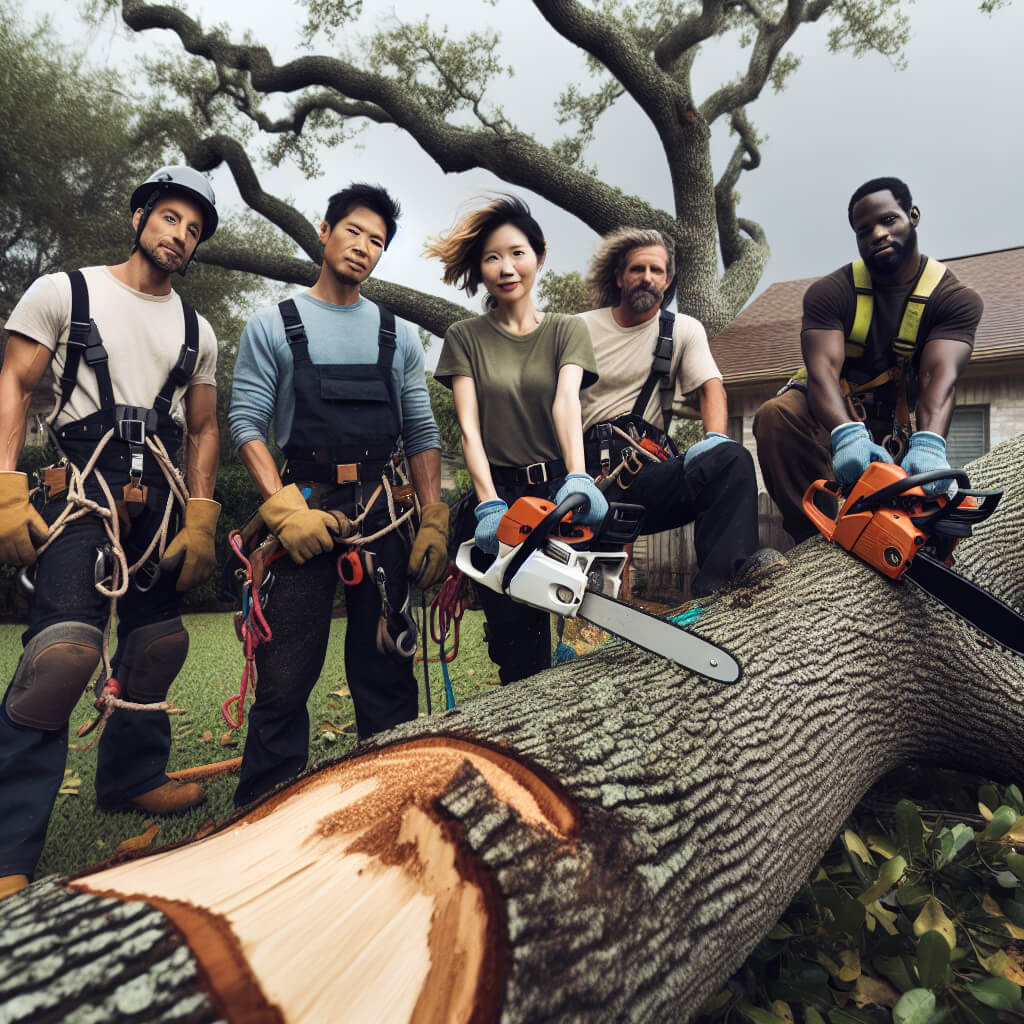
As an ISA Certified Arborist with 17 years of experience here in Houston, I’ve handled over 3,000 emergency tree removal calls. From Hurricane Harvey to Winter Storm Uri, I’ve seen what works — and what can make things worse. In this article, I’ll walk you through essential steps Houston homeowners and HOAs should take when facing a tree emergency after a storm. We’ll cover safety, insurance, HOA responsibilities, and when it’s time to call in a pro.
1. Safety First — Always
Let me be blunt: after a storm, your yard can be dangerous. I’ve seen homeowners in Katy and Cypress try to move large limbs themselves with a chainsaw, only to end up with serious injuries. Trees under tension can shift unexpectedly, and live electrical lines are often hidden under branches.
If a tree has fallen on a structure or power line, stay clear and call your power company first — CenterPoint for most of Houston. Once power hazards are cleared or marked safe, contact an arborist for assessment. I always tell homeowners: if you have to ask, “Is it safe to touch that?” then the answer is no.
2. Assess the Damage — But Do It Safely
When you can safely look over your property, take photos of everything — fallen limbs, trunk splits, roof or fence damage, anything notable. These photos will help with your insurance claim and your HOA report if you live in a community like Cinco Ranch or The Woodlands. Documenting immediately after the storm is key because cleanup crews can change the scene quickly.
Also, pay attention to partial failures. I’ve seen leaning pines in the Heights that looked fine at first glance but were hanging by half their root system. A trained eye can spot stress cracks and unstable root plates that could fail days later.
3. Call a Certified Arborist — Not Just Anyone With a Chainsaw
After big storms, Houston gets flooded (no pun intended) with pop-up “tree companies” offering quick tree removal at suspiciously cheap prices. I’ve followed behind plenty of those “crews” to fix substandard work or finish abandoned jobs. A certified arborist will assess not just how to remove the tree but how to prevent further property damage during the process. We’re trained to evaluate tree stability, rigging points, and load direction — things that come only with years of experience.
For example, during Hurricane Harvey, I removed a 70-foot water oak in River Oaks that had fallen onto a garage roof. The homeowner almost hired someone unlicensed because they “had trucks and equipment.” What saved their roof from total collapse was using proper cribbing and sectional rigging instead of just cutting and hoping for the best. A certified professional follows safety protocols — and that’s non-negotiable during emergencies.
4. Understand Insurance and HOA Responsibilities
One of the most confusing parts of storm aftermath is figuring out who pays what. In most cases, if your tree falls on your neighbor’s property, their insurance covers their damage — not yours. But every situation is unique. That’s why those early photos and a professional damage report from an ISA arborist make a huge difference when filing claims.
If you’re part of an HOA, like in Sugar Land or Sienna Plantation, you may also be responsible for trees in common areas or along shared paths. Many HOAs require immediate removal of fallen or hazardous trees, so it’s smart to check your HOA guidelines or contact property management right away. We often coordinate directly with HOA boards or property managers for emergency cleanups through our HOA tree services team.
5. Don’t Delay – Houston Soils Make Things Worse Fast
Houston’s clay soil expands and contracts dramatically after heavy rain or flooding. A leaning or partially uprooted tree can worsen within days as the soil shifts under it. I’ve seen cases where a seemingly stable oak in Bellaire tipped over a week after a storm because the clay dried too fast around loosened roots. Prompt inspection can make the difference between a manageable removal and a full-blown emergency.
Once immediate hazards are handled, don’t forget to schedule tree trimming or pruning of surrounding trees. Removing weak or overextended limbs now can prevent the next big emergency down the line.
6. Be Prepared Before the Next Storm
I’ll be honest — most of the emergencies I respond to could have been prevented with regular maintenance. Trees don’t just fail randomly; there are always warning signs: visible cavities, dead branches, excessive leaning, or root rise. Regular inspections and proper pruning can make your trees more storm-resilient. For HOAs, I recommend annual inspections of all common area trees before hurricane season starts.
For homeowners, investing a few hundred dollars in preventive care often saves thousands later. For instance, a client in Spring Branch spent $400 to prune a massive live oak before the storm season. That same storm dropped nearly identical unmaintained oaks nearby — those removals cost $2,500+ each. Prevention really does pay off.
FAQ
How much does emergency tree removal cost in Houston?
Pricing varies a lot based on size, location, and urgency. In my experience, most Houston homeowners pay between $1,200 and $3,500 for emergency removals. A 40-foot pine in open space might cost around $900, while a large oak tangled in power lines can reach $5,000 or more. Emergency calls at night or during active storms are always higher because of risk and crew mobilization costs.
What should I do while waiting for help to arrive?
Stay far from the damaged area, keep children and pets inside, and don’t try to move large limbs. If possible, place visible markers or cones around the area to prevent accidents. If the tree damaged your roof, safely cover open areas with a tarp only if conditions allow — but never climb ladders near power lines or unstable trees.
Does homeowner’s insurance usually cover fallen trees?
Generally yes, but only if the tree caused damage to an insured structure like your home, fence, or driveway. Most policies don’t cover removal of trees that simply fell without causing damage. It’s always best to check your policy and file immediately with photo documentation.
How fast can an arborist respond to an emergency call?
During major storms, we prioritize the most critical threats first — trees on structures or blocking access. In normal conditions, I can usually get a crew on-site within 24 hours. For high-risk situations, we offer immediate deployment for emergency storm damage removal.
Conclusion
Storm-damaged trees are one of the most stressful situations a homeowner or HOA can face. But with calm, safe actions and professional help, you can minimize the damage and avoid further risks. The most important tip? Don’t wait until the next hurricane to ask if your trees are safe. Schedule a professional assessment now, and you’ll sleep a lot easier when the next big storm rolls through Houston.