
<!–meta: Learn smart, affordable tree removal and care strategies from a certified Houston arborist with 17 years of field experience.–>
Introduction
Just a few months back, I got a call from a homeowner in Cypress who had a massive pine tree leaning over their driveway. They told me, “We just didn’t think it was a big deal until the neighbor’s tree fell during Beryl.” By the time I showed up, that pine was half uprooted from Houston’s expanding clay soil. What could’ve been a $500 trimming job a year earlier turned into a $2,300 emergency removal. That’s the kind of story I see far too often.
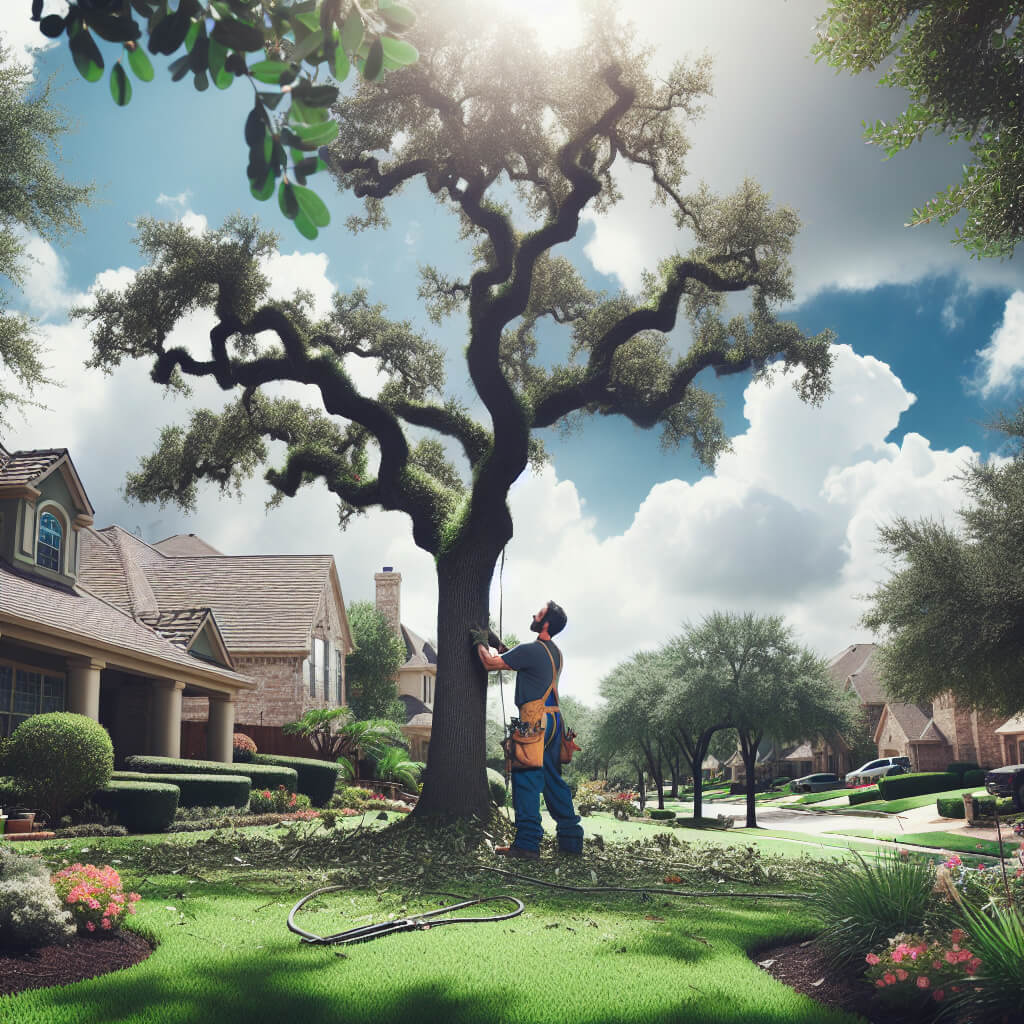
After 17 years of handling everything from storm cleanups in the Heights to tree removal in Katy, I’ve learned that affordable tree care doesn’t mean cutting corners—it means staying ahead of problems before they require expensive fixes. Houston’s climate—humid summers, clay soil, hurricanes, and floods—forces trees to adapt fast, and smart homeowners do the same.
Let me break down 10 practical ways you can keep your tree care affordable and your property safe in our unpredictable Houston weather.
1. Schedule Regular Pruning Before Hurricane Season
If you only remember one thing, make it this: never skip your pre-season pruning. Around late May or early June, I start my rounds in Sugar Land and Pearland to prepare trees for storms. Removing weak or overextended limbs before high winds arrive can prevent thousands in property damage. A simple pruning visit might run $250–$500, but it beats a $3,000 emergency storm damage cleanup after a hurricane.
2. Choose Native or Well-Adapted Trees
Not every tree can handle Houston’s soil and humidity. I’ve seen too many homeowners plant Arizona ash or silver maples that just can’t take the heat (or the clay). Instead, go for proven winners: live oaks, bald cypress, southern magnolias, or crape myrtles. They require less watering, fewer treatments, and hold up better in storms. Long term, native species can save you hundreds in maintenance.
3. Watch for Early Signs of Stress
Affordable tree care starts with attention. Browning leaves, mushrooms around the base, or a slight lean might not seem urgent, but they usually are. A magnolia I looked at in Memorial had been “just leaning a bit” for three months. When we finally removed it, the entire root ball had ripped free from wet clay soil—it was one good thunderstorm away from crushing a carport. Catching that early could’ve saved them over $1,000.
4. Get Multiple Estimates—but Make Sure They’re Licensed
Yes, price shopping matters, but don’t just grab the cheapest bid. Houston’s neighborhoods are full of side-hustle crews with chainsaws and no insurance. I can’t tell you how many times I’ve been called to fix their mistakes. Look for an ISA Certified Arborist, like me (my certification is #SO-7392A), and always ask for proof of insurance. A legitimate quote for medium-to-large removals usually ranges from $800 to $2,500 depending on access, size, and debris haul-off.
5. Combine Services to Save on Costs
If you’re already booking a trimming, ask to bundle stump grinding or debris haul-off—it often costs less than scheduling separate visits. For example, I recently worked in Katy where a client needed a 40-foot pine removed and two small elms trimmed. By combining services, the total bill dropped from $2,100 to $1,600. Efficient scheduling helps both you and the crew.
6. Maintain Proper Soil Moisture and Mulching
Our clay soil expands and contracts dramatically, especially during dry summers. That movement stresses roots and can destabilize even mature oaks. A 2-3 inch layer of hardwood mulch around the drip line (but not against the trunk) helps regulate temperature and moisture. You’d be surprised how much long-term structural damage I’ve prevented in places like Kingwood just by improving soil conditions.
7. Handle Small Jobs Yourself—Know Your Limits
Some light pruning under 10 feet or clearing small debris after storms can safely be done with basic gear. But please, don’t climb with a chainsaw or cut near power lines. One homeowner in West U learned that lesson the hard way when a “DIY” branch drop took out their fence and part of a neighbor’s car. Know when to call the pros, especially for large or hazardous removals.
8. Book Tree Work During Off-Peak Months
Tree companies in Houston get slammed during hurricane season and after major storms. If you plan removals or pruning in the cooler months—say December through February—you’ll often find better availability and lower rates. During that window, I usually offer discounts up to 20% because crews aren’t overbooked.
9. Recycle or Repurpose Your Tree Debris
You can actually save money on disposal if you get creative. Many Houston homeowners ask me to leave oak logs for firewood or chipped mulch for landscaping. That reduces hauling fees and gives the material a second life. Plus, city green waste pickup can take smaller loads for free if properly cut and bundled.
10. Get an Annual Tree Health Assessment
A yearly inspection from a certified arborist can reveal structural problems or diseases before they become dangerous. Think of it like a checkup. In places like Tanglewood or the Heights, where large live oaks dominate, early detection of decay or root disease can mean saving a $10,000 tree—or catching the need for safe removal before it falls. Most of my clients pay $150–$250 for a detailed annual assessment, and it’s well worth it.
FAQ
How much does tree removal cost in Houston?
Most removals in Houston fall between $800 and $2,500, depending on access, tree size, and cleanup. A small tree in an open yard may be closer to $500, while a massive oak near power lines could exceed $4,000.
Is it cheaper to remove a tree myself?
Not really. By the time you rent equipment, handle debris, and factor in safety risks, it often costs more. I’ve seen too many DIY jobs end up requiring professional help anyway—especially when hidden decay or power lines are involved.
When is the best time of year for affordable tree services?
Winter is ideal—especially December through February. You’ll likely get a better rate and faster service since crews aren’t juggling hurricane repairs or heavy storm calls.
Can affordable tree care still meet safety standards?
Absolutely. Affordability comes from good planning, not shortcuts. Proper scheduling, preventive maintenance, and working with insured, certified pros keeps your costs manageable and your property safe.
Conclusion
Affordable tree removal and care in Houston isn’t about finding the cheapest guy with a chainsaw—it’s about being proactive, informed, and choosing the right help. With our wild mix of weather—humid summers, random freezes, and hurricane winds—trees can turn hazardous fast if neglected. Keeping up with pruning, soil health, and annual checkups won’t just protect your property; it’ll save you thousands down the road.
If you’ve been putting off that inspection or trimming, now’s the time. Houston’s trees can thrive beautifully with the right care—and I’d be happy to help make sure they do.